
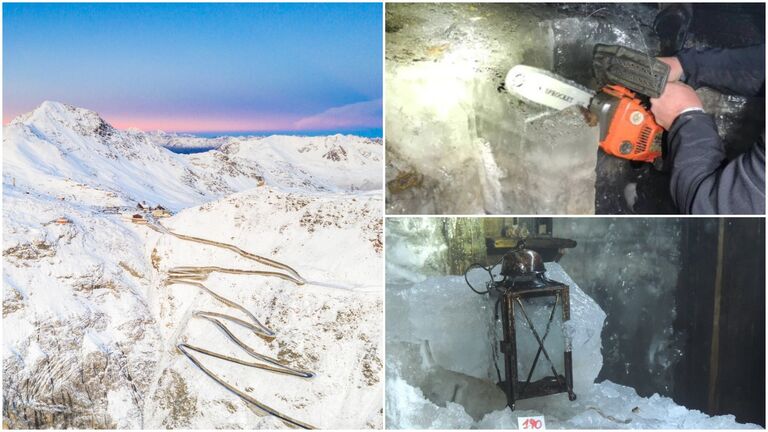
In the Italian highlands, a glacier is melting. It goes without saying that a team of researchers is hard at work attempting to maintain track of this sad incident. This is a momentous occurrence because it exposed something incredible hiding beneath the ice. Something that has been hidden for at least a century! When they took a closer look, they discovered a disturbing secret dating back to the First World War… What more secrets will we uncover in this region of the world with the looming threat of global warming? People in the neighborhood and beyond have shown both dread and enthusiasm in response to the answer to this question.
The Melting of This Alpine Glacier Exposed Something Surprising
The Great War Sent Europe Into Disarray
Known colloquially as the Great War, Europe was in shambles throughout the period in question. This region of the Italian Alps was one of the most brutal battlegrounds back then. The issue is that no memorials or museums exist to identify the exact places of the fights. Previously, the only things you’d find there were snow and ice. In this part of the earth, glaciers dominated the landscape.
The Great War Sent Europe Into Disarray
Above Europe, There Is An Icy Plateau
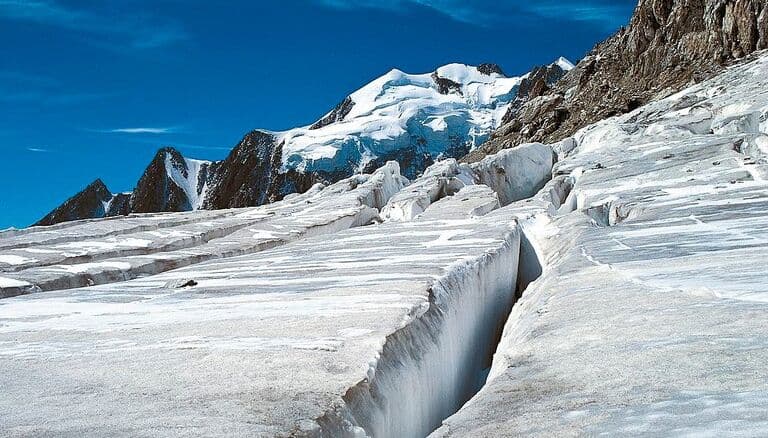
What happened exactly on the snowy plateau above the European continent? Nobody anticipated finding a relic from that dreadful epoch. Climate change has undoubtedly caused several changes over the years. It includes the melting of the ice on Mount Scorluzzo, which unveiled the incredible.
Above Europe, There Is An Icy Plateau
For The First Time In A History
A team of researchers entered the cave in 2017. This location had been sealed by ice and snow for generations. This was the point at which they discovered something that provided us with incredible insight into the people who fought in the White War. Finally, the story of these heroic men could be told to the rest of the world.

For The First Time In A History
On The Border Of Two Nations
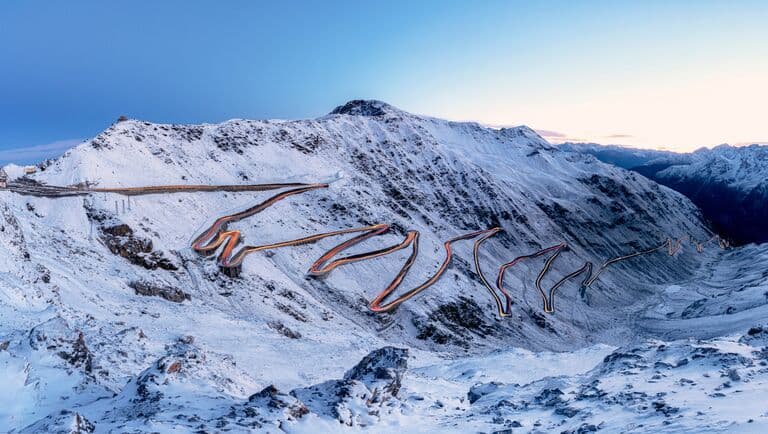
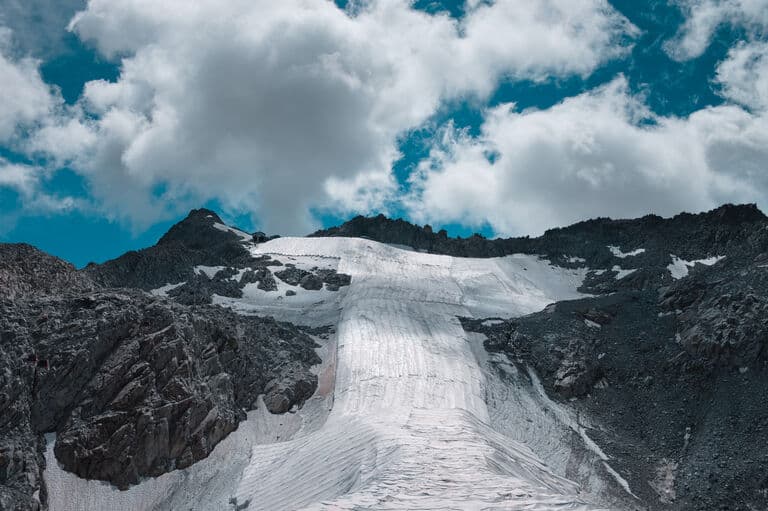
Mount Scorluzzo is located on the border of Italy and Switzerland. It is nearly 10,000 feet above sea level and offers views of some of the highest paved roads in the Alpine region. This is not as difficult to climb as the other peaks in the area. In reality, mountaineers have repeatedly conquered it.
On The Border Of Two Nations
It Is Not Just Climbers Either
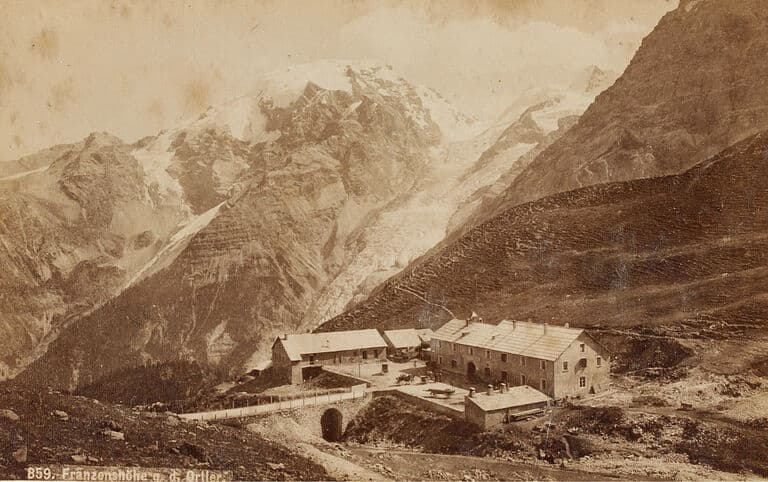
Climbers are not the only ones who have scaled the snow-capped mountain. Prior to World War I, there was an important boundary known as the Stelvio Pass. It goes through the Alps about a thousand feet below Mount Scorluzzo’s peak. The Kingdom of Italy had been on one side, while the Austro-Hungarian Empire had been on the other.
It Is Not Just Climbers Either
Thanks To The Treaty Of Vienna
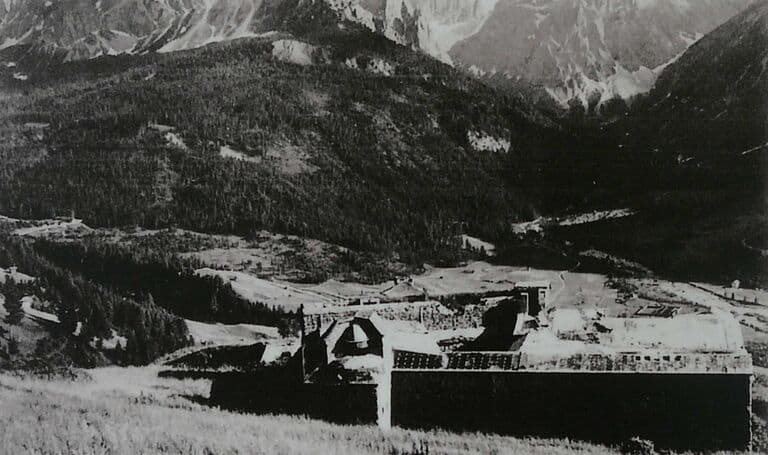
Both sides signed the Treaty of Vienna in 1866 and enjoyed relative peace for a long time. In truth, they had been comrades since the commencement of hostilities in July 1914. However, as the complex battle extended over the region, longstanding animosity between the two began to resurface.
Thanks To The Treaty Of Vienna
After The Treaty Of London
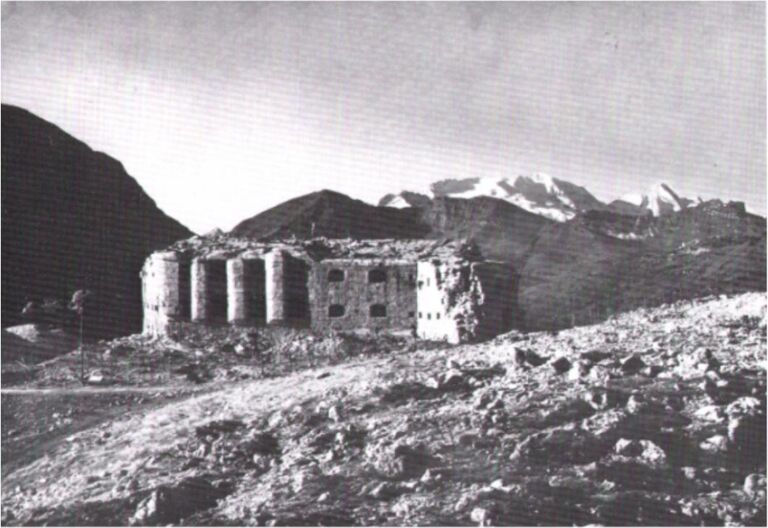
By signing the Treaty of London in 1915, Italy broke away from the Triple Alliance it had created with Germany and Austria-Hungary. This meant that the two entities separated by the Stelvio Pass were at odds. Mount Scorluzzo, which separated them, aided them much in the war.
After The Treaty Of London
The Conflict Made Its Way Up There
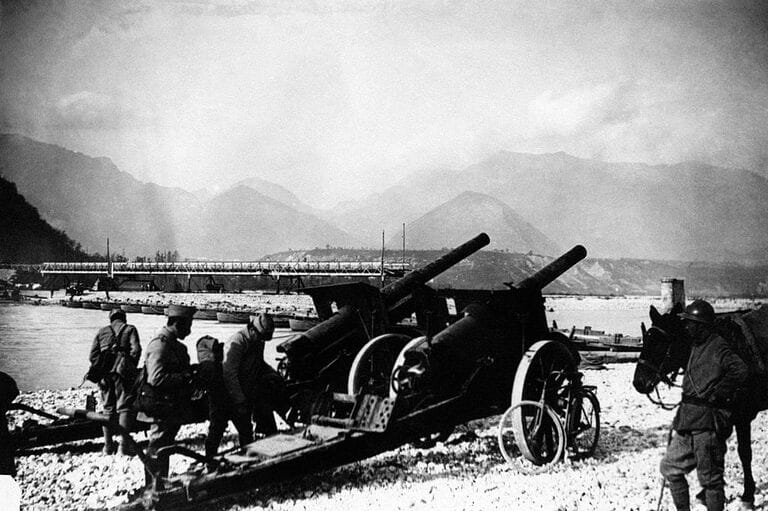
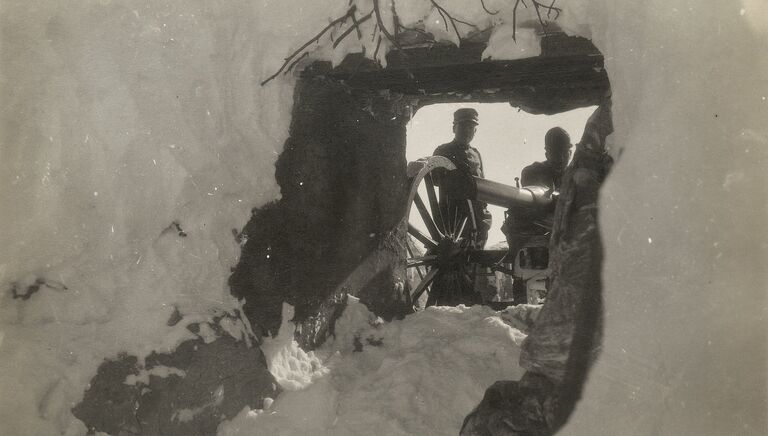
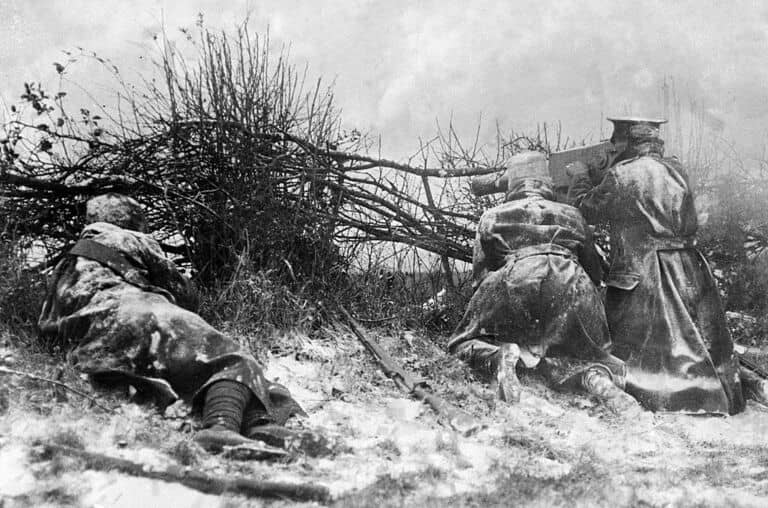
It was hardly surprising that the fighting had spread to the Alps. Soldiers from both sides fought for more than 400 kilometers over the summits in what became known as the White War. This continued for three years. The soldiers squared off in one of the most hostile environments in the world.
The Conflict Made Its Way Up There
It Was Once An Alpine Paradise
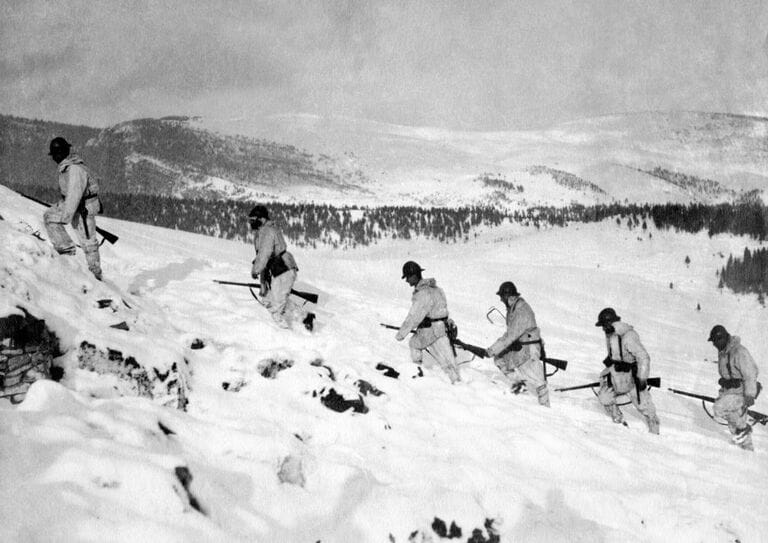
Mount Scorluzzo was once an Alpine wonderland, but it was turned into a deadly battlefield during the fight. Instead of mountaineers, there were young green soldiers having to trek the snowy peaks while carrying heavy equipment. This was not an easy task.
It Was Once An Alpine Paradise
The Environment Was Very Hostile
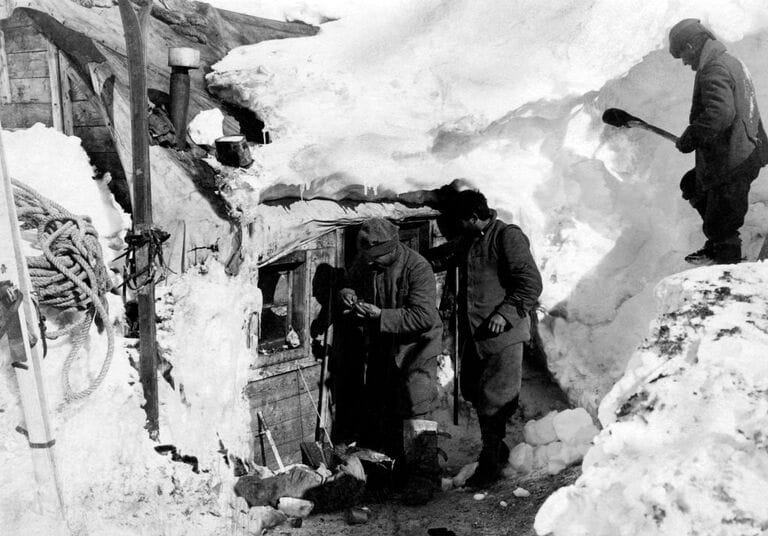
“Soldiers had to fight against the extreme environment, against the snow or avalanches, but also against the enemy,” explained Stefano Morosini, a Stelvio National Park historian, to CNN in May. There were moments when the temperature dropped below -40° F. Blizzards raged throughout the terrain as the guys fought to reach the summit.
The Environment Was Very Hostile
Not Easy To Send Things Up There
It was difficult for governments to supply food and supplies to all of the soldiers on the front lines. The men were chilly and malnourished, but they had no choice but to fight for their lives. Furthermore, analysts believe that the environment up there killed more personnel than any other fight in the conflict.
Not Easy To Send Things Up There
Nothing As Arduous As This
In 1917, writer E. Alexander Powell wrote in the New York World about how difficult it was for the soldiers who fought in the White War. “On no front, not on the sun-scorched plains of Mesopotamia, nor in the frozen Mazurian marshes, nor in the blood-soaked mud of Flanders,” he said.
Nothing As Arduous As This
It Was Finally Coming To An End
The Italians attempted an attack on the Tonale Pass, forty kilometres from Mount Scorluzzo, in November 1918. It was a huge success. The army defeated Austro-Hungary, and the rest of the Allied powers followed suit. Within two weeks, the First World War had come to an end.
It Was Finally Coming To An End
Time To Descend The Mountain
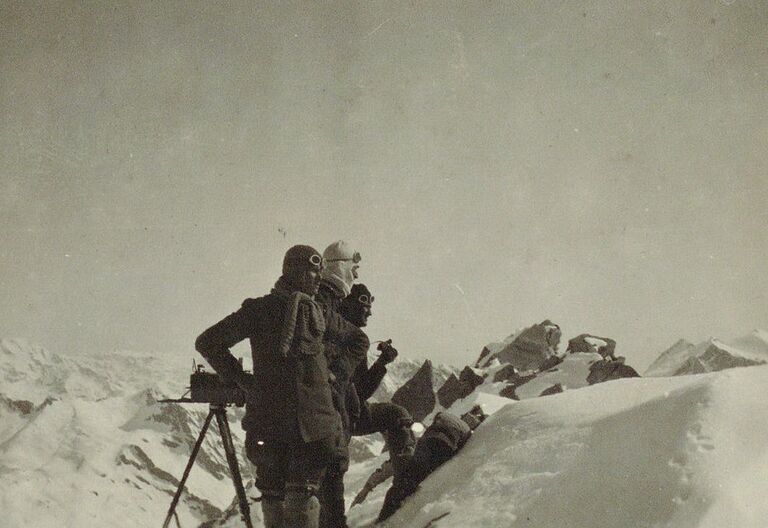
This meant that the remaining men could finally make their way down Mount Scorluzzo and bid farewell to that horrible battlefield. They also did not clean up before this. Instead, they abandoned many antiquities on the Alps’ heights. Hundreds of people were killed as a result of many of those mementos.
Time To Descend The Mountain
It Has Not Been designated As A Monument
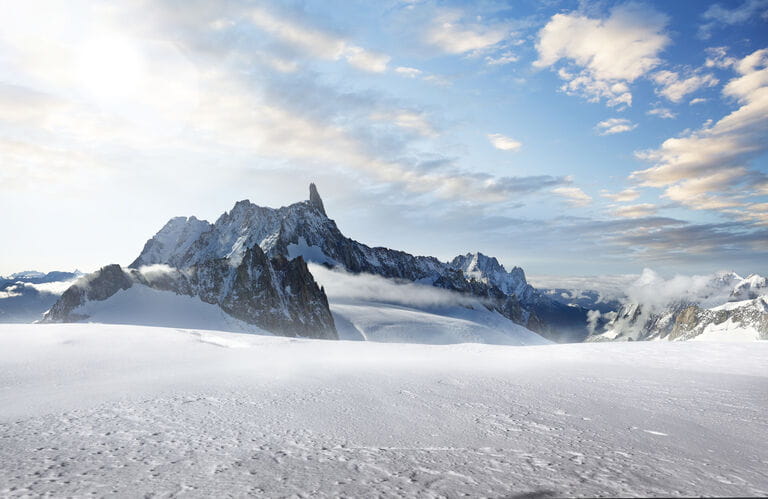
Many battlefields have been made into monuments and even museums in various locations. The Italian Alps, on the other hand, are a different story. There is no tourist attraction there. Until recently, the items on Mount Scorluzzo remained in the same location.
It Has Not Been designated As A Monument
Climate Change Has Arrived Here
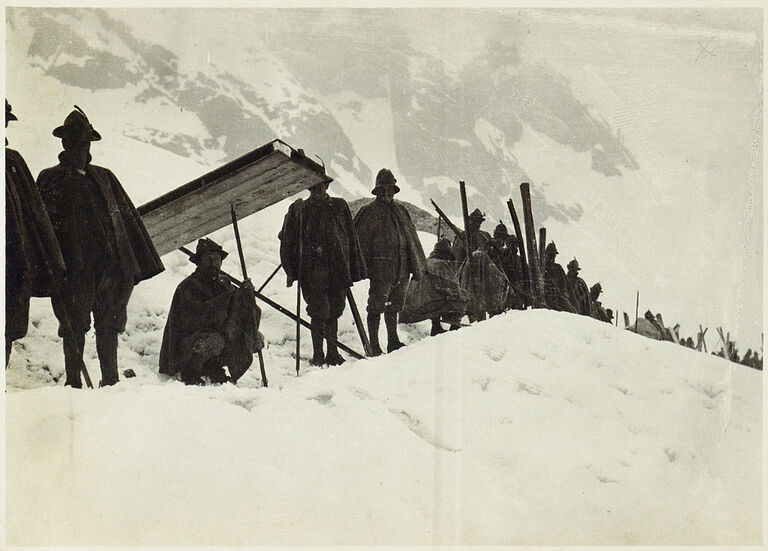
Climate change is causing fast changes in the environment. It has caused glaciers to melt, revealing the truth about the White War a century later. In 2018, the remains of a soldier were discovered on the Presena glacier near Mount Scorluzzo. They were able to uncover documentation with the remains, so they were able to track down the Italian man’s relatives and give him a befitting burial. It took some time, but he was properly farewelled.
Climate Change Has Arrived Here
What They Found Up There
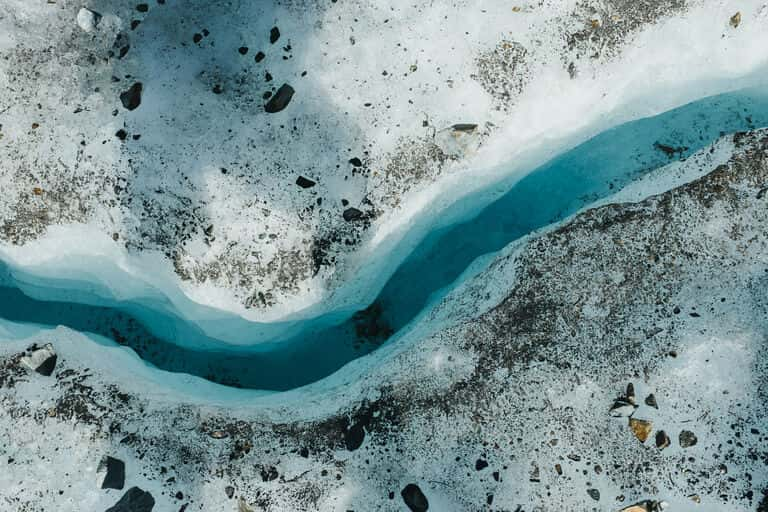
Did they come across anything similar on Mount Scorluzzo’s peak? At the height of the White War, at least one Austro-Hungarian group was stationed there, according to researchers. Because of the ice wall that used to be there, their efforts to dig the site had been futile.
What They Found Up There
The Glacier Has Melted A Lot
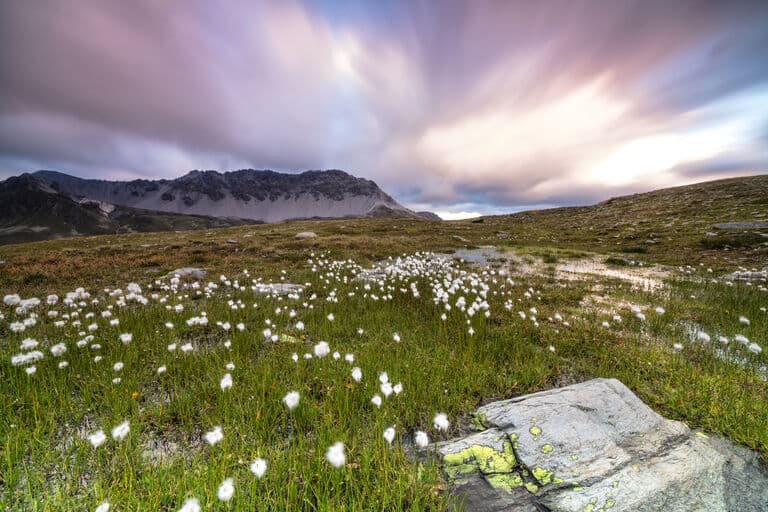
Because of global warming, the glacier atop Mount Scorluzzo has melted further than it had previously. In 2017, the ice receded enough to give access to a cave opening. The White War Museum in Italy dispatched a team of experts to investigate what was hidden inside.
The Glacier Has Melted A Lot
When The Ice Gave Way
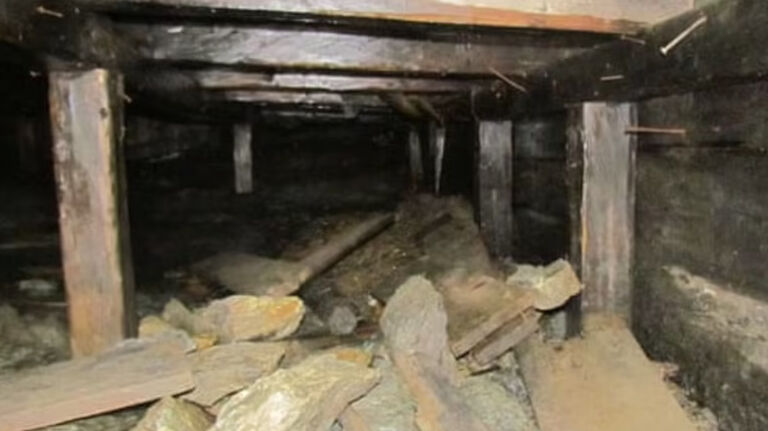
The ice exposed the incredible. They discovered a military barracks that had housed a squadron of Austro-Hungarian soldiers. When the conflict finished, it appears that they just locked the structure and walked out. In actuality, the majority of the material was unaltered. This has provided experts with a peek at what life was like in the highlands during WWI.

When The Ice Gave Way
It Felt Like A Time Capsule
“The barracks is a time capsule of the White War that helps us understand the soldiers’ extreme, starving conditions,” Morosini told the Guardian in May 2021. “The knowledge we’re able to gather today from the relics is a positive result of the negative fact of climate change,” he continued.
It Felt Like A Time Capsule
They Retrieved A Ton Of Artifacts
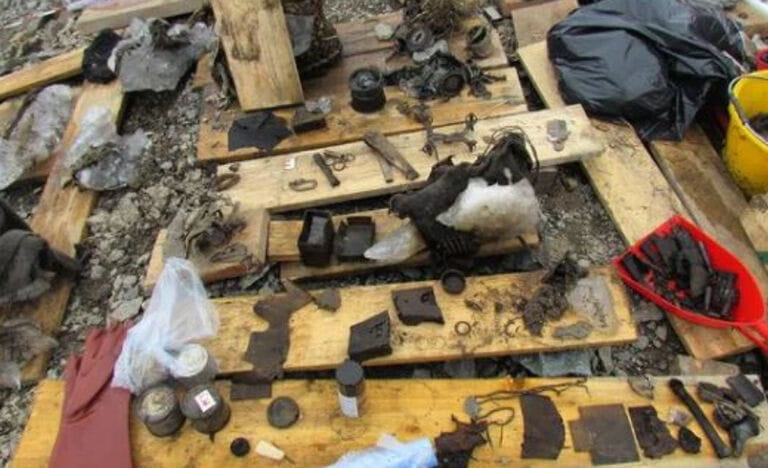
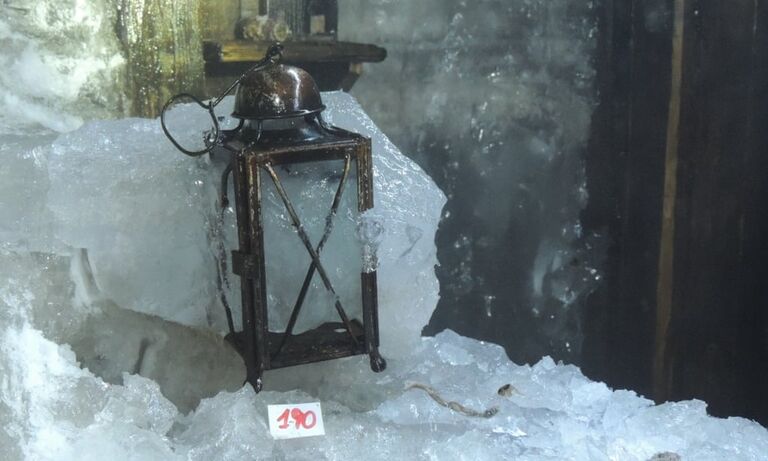
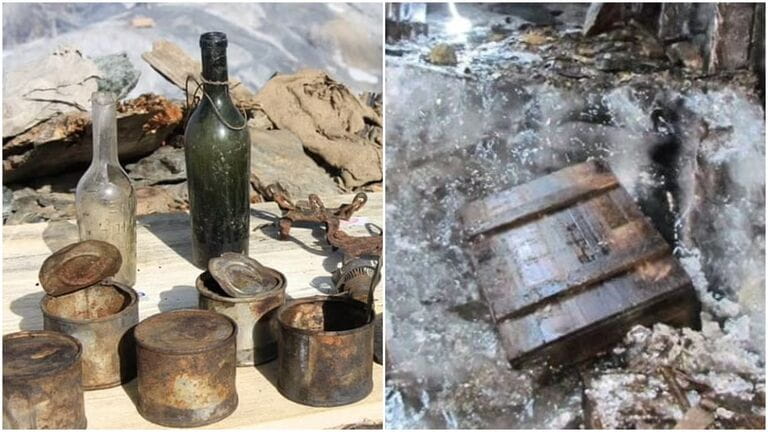
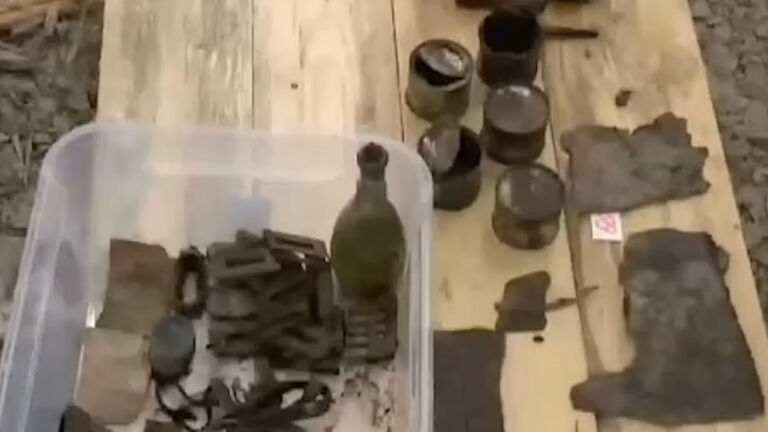
By April 2021, the scientists had recovered over 300 relics from this ancient site. They discovered postcards, clothing, letters, and other personal belongings that belonged to servicemen. Coins, newspapers, and lamps were also present. However, it was evident to the researchers that living in the barracks during the conflict was difficult.
They Retrieved A Ton Of Artifacts
It Was Not A Comfortable Place
According to reports, the soldiers had to sleep on straw beds and eat canned food. It didn’t take long for the provisions to run out. This meant that they had to look for alternative food sources. That explains the hollow animal bones discovered by the investigators, implying that they ate the marrow as well.
It Was Not A Comfortable Place
Time Stopped In This Cave
Morsini’s remarks were repeated by the White War Museum. “The findings in the cave on Mount Scorluzzo give us, after more than a hundred years, a slice of life at over 3,000 meters above sea level, where time stopped on November 3, 1918, when the last Austrian soldier closed the door and rushed downhill,” according to the statement.
Time Stopped In This Cave
An Open Air Museum Of Sorts
The barracks are currently used as a “sort of open air museum,” according to Morsini. However, an incredible collection is beginning to grow as relics are brought down from the Alps in the sake of preservation. There are also plans to exhibit them in the Bormio First World War museum in 2022.
An Open Air Museum Of Sorts
Not The Only Amazing Find
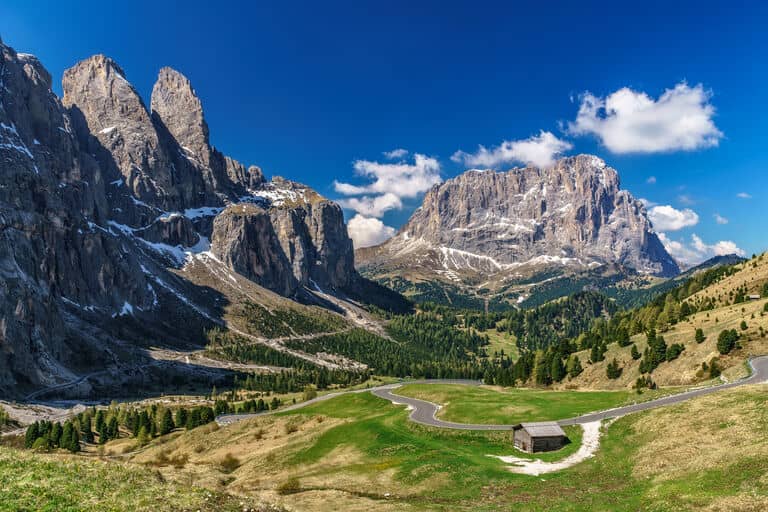
However, this is only one of the astounding finds they have uncovered in the region’s highlands. Indeed, the Italian Alps have been revealing secrets since the 1990s. Melting glaciers have revealed remarkable artifacts from a long time ago all the way from the Dolomites to Lombardy.
Not The Only Amazing Find
Daily Life In This Part Of The World
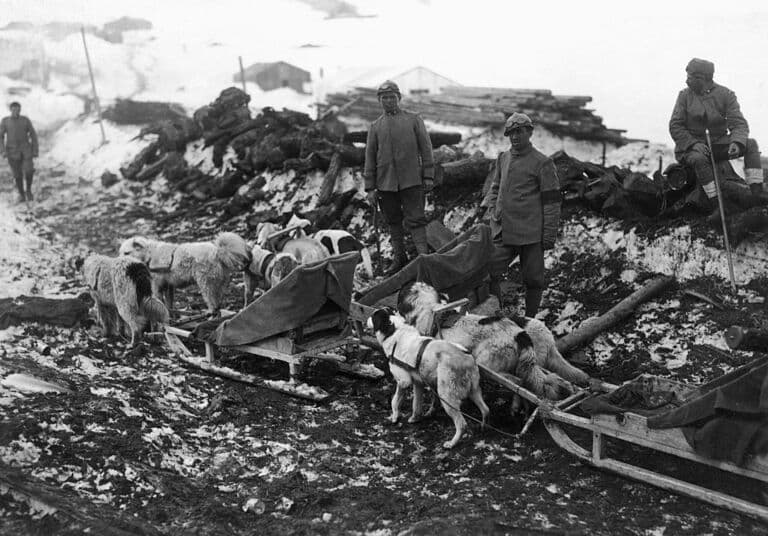
A few of the relics show us what life was like in the mountains on a daily basis. Weapons, sleds, and journals are among the booty. There were, however, other things that were more terrible in nature. For example, in the summer of 2020, a hiker in the Adamello region discovered the body of a soldier draped in the Italian flag.
Daily Life In This Part Of The World
It Is Not Rare To Find A Corpse
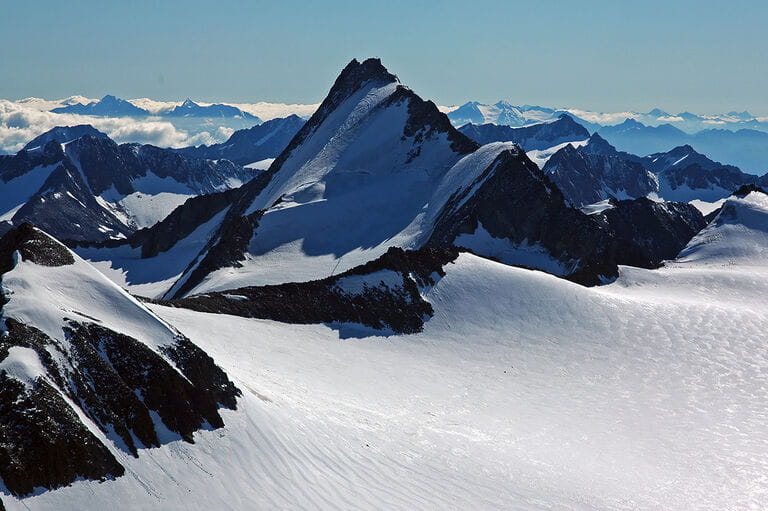
“A corpse is found every two or three years, usually in places where there was fighting on the glacier,” the White War Museum’s Marco Ghizzoni told the Guardian. However, there are things in the snow that predate the White War. Two hikers discovered an unusual find in the ztal Alps, which sit between Italy and Austria, in 1991.
It Is Not Rare To Find A Corpse
More Relics From The Past
Experts are currently discovering more relics dating back to the White War. Climate change has accelerated the process, but we want to discuss a discovery that predates all of this. The hikers did not come across the bones of a World War I veteran. This body, on the other hand, dates back 5,300 years!

More Relics From The Past
From The Copper Age
These ancient remains, now known as zti the Iceman, provided scientists with new insights into life during the Copper Age. The discovery has also sparked discussion about this archaic human’s markings, possessions, and clothing. Morisini has drawn connections between the incredible find and the antiquities discovered on Mount Scorluzzo.

From The Copper Age
It Was An Amazing Discovery
“The zti discovery was enormous,” he told The Guardian. “Here was a prehistoric relic, and today we’re finding First World War relics.” There is also a school of thought that believes the iceman paved the way for a new type of archaeology that entails researching what the glaciers are giving up as a result of climate change.

It Was An Amazing Discovery
An Ancient Rock With Inscriptions
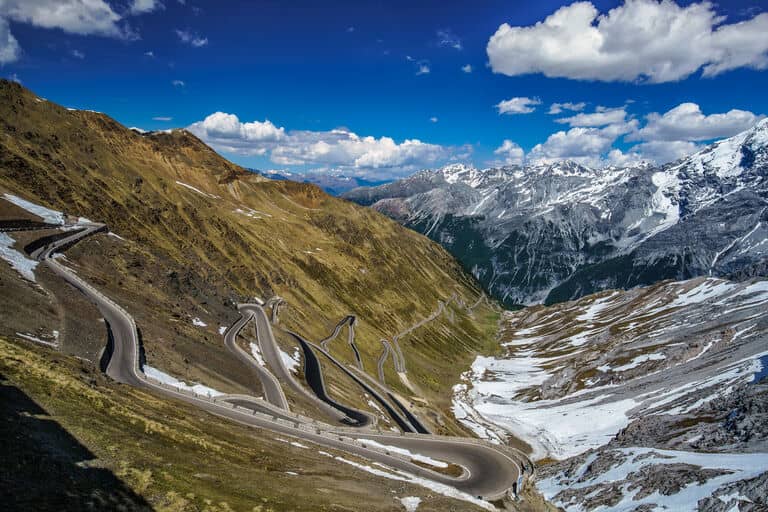
The melting glacier has revealed a rock with ancient inscriptions carved on it in another region of Stelvio National Park. Although these modifications have been beneficial to specialists, they are not good news for the Alps. Experts believe they are contributing to the destruction of the important alpine landscape.
An Ancient Rock With Inscriptions
The Melting Is Speeding Up
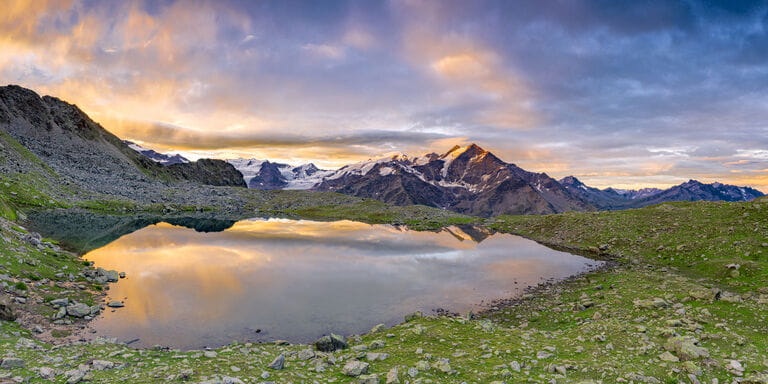
Let us examine the Forni glacier in the Italian Alps. According to the Guardian, it has dissolved by more than a mile in the last century. What is concerning is that the process is accelerating. Half of that happened in the last thirty years or so. The melting of the ice has caused numerous issues.
The Melting Is Speeding Up
It Has Also Caused Accidents
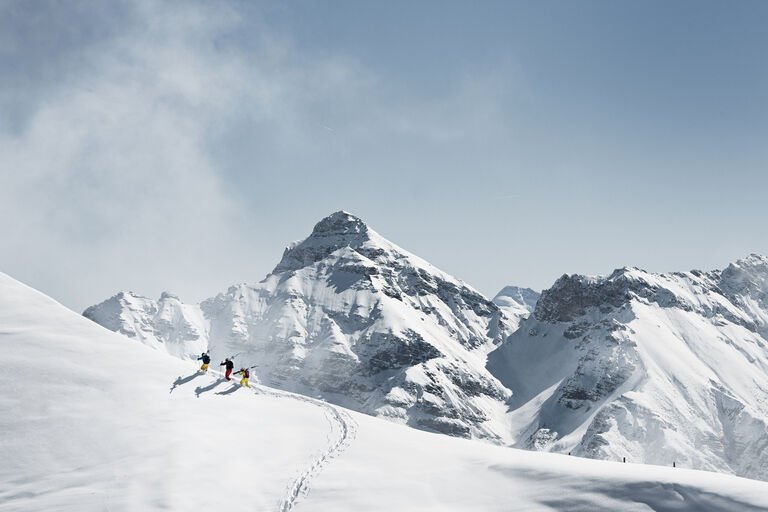
Onlookers witnessed the melting glacier create the Val Pola landslide, which claimed lives in this section of the Italian Alps in 1987. Climate change has also had an impact on the region’s flora and fauna, according to experts. The National Park’s Luca Pedrotti told the Guardian more about it.
It Has Also Caused Accidents
What It Means For The Flora And Fauna
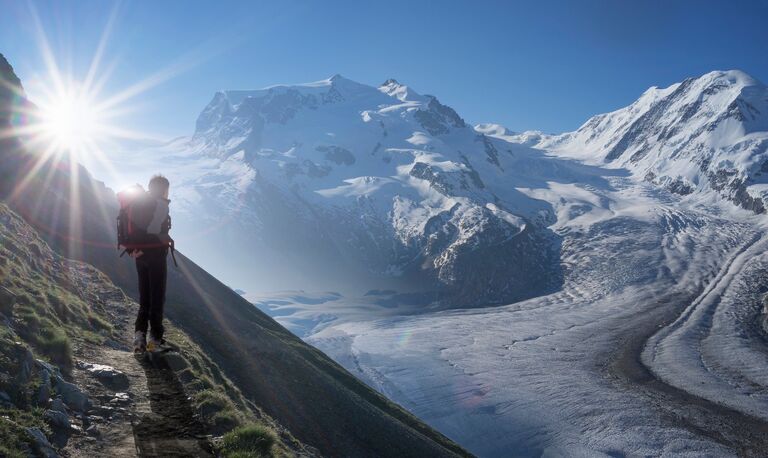
“Some species suffer greatly because they are adapted to the cold Alpine environment,” she explained. “As a result, they must travel higher and higher in search of cold temperatures and higher-quality food.” Not only that, but skiing and other human activities have exacerbated the harm to the surrounding area.
What It Means For The Flora And Fauna
Not Going To Stay Like This Forever
It appears that this Alpine environment will not be preserved in the near future. Still, we’re excited to see what surprises may be unveiled when the glaciers continue to melt. We’re curious if they’ll learn more about the White War. They might also come across more prehistoric creatures, such as zti the Iceman.
Not Going To Stay Like This Forever
A Lot More To Come In The Future
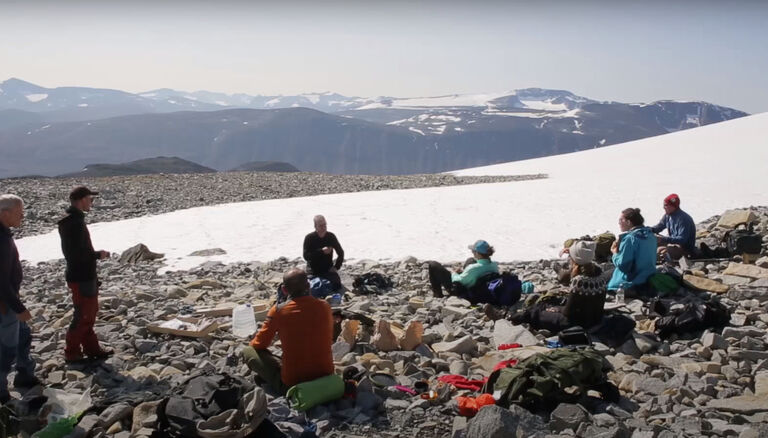
The glacial archaeologists of Italy are going to have a field day based on the work done in the Norwegian region of Oppland. Since 2011, a team of professionals has been working in this region of the world. They have since collected approximately 2,000 items from the area. Some of them are over 6,000 years old.
A Lot More To Come In The Future
They Are All In Excellent Condition
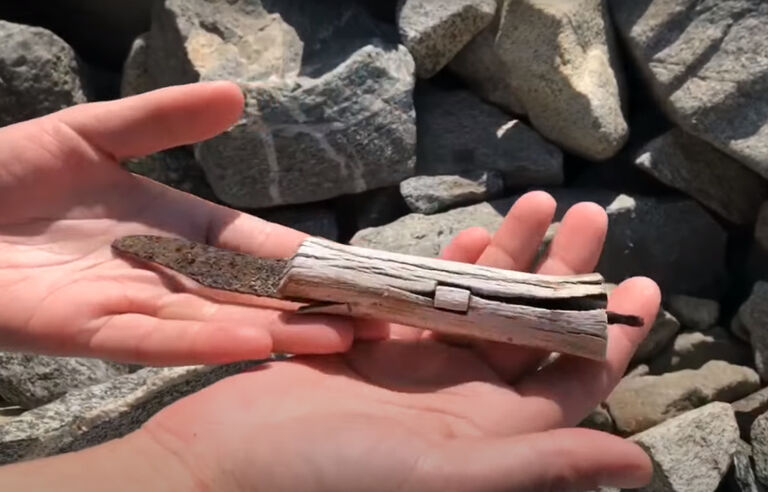
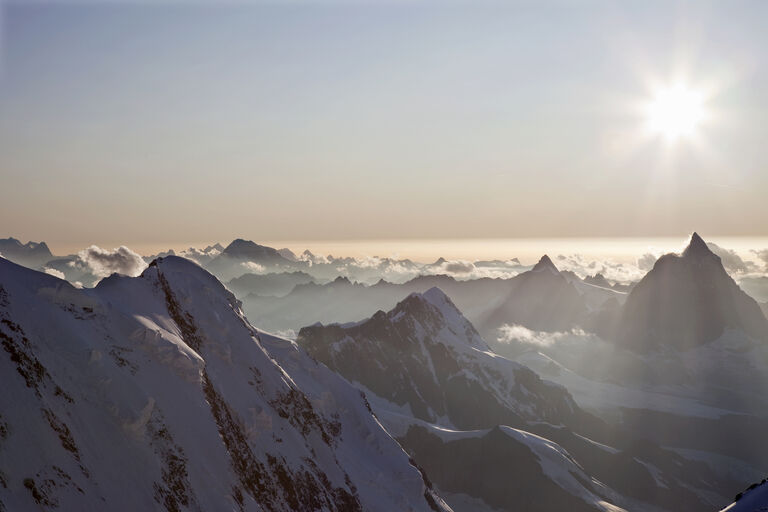
While they are old, they are typically in good condition. This can be due to the area’s frigid temperatures. According to reports, they have unearthed antiquities such as skis, arrows, clothing, and even hunting equipment. They range in age from a few hundred years ago to the eleventh century. According to National Geographic, it simply depicts how people finally moved away from farming.
They Are All In Excellent Condition
It Is Not Like Regular Research
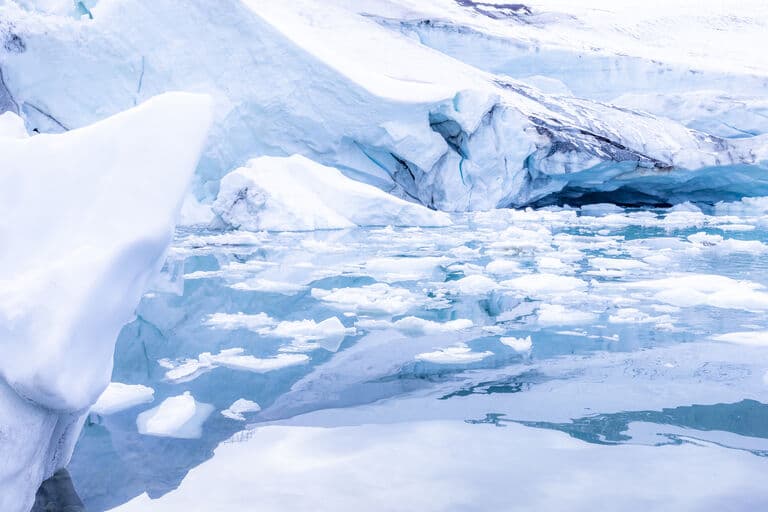
In some ways, glacier archaeology is simpler than ordinary archaeology. After all, they are not required to dig and excavate in the same manner. Experts must essentially search for items that have been left behind by melting ice. Regardless, it is exhausting in another manner. Long hikes in harsh weather are required of the squad. They sometimes have to use helicopters to go to the areas.
It Is Not Like Regular Research
This Is A Complicated Field
In any case, these archaeologists have a difficult position in the realm of research and preservation. It does not appear that they will cease producing discoveries anytime soon. With the ice melting at extraordinary rates in recent years, they will almost certainly continue to discover amazing things one after the other. These discoveries are likely to pique their interest in what they will uncover in the region. We’ll be waiting to learn what else they find in this intriguing corner of the world.
This Is A Complicated Field
Frozen History
It’s always fascinating when scientists find objects that have been hidden beneath the ice for a long time. Whether it’s a cave or something as incredible as a mammoth! Who knows what else might be discovered beneath the ice? We may not have discovered everything, but we have discovered A LOT. Some of these things are difficult to think ice could devour! Prepare to be astounded at what has been revealed over the years… we’re still at a loss for words!

Frozen History
An Icy Lighthouse
It can get so cold in the world’s coldest places that entire architectural buildings can freeze. However, this is a rather typical event in Michigan, USA. In the winter of 2021, this lighthouse is located on Lake Michigan, surrounded by cold. It’s quite remarkable to watch what chilly weather can do.

An Icy Lighthouse
Mammoth Brains
One of the more unusual objects uncovered beneath the ice by experts is the brains of a woolly mammoth. The remains were discovered in permafrost along the Laptev Sea coast. It appeared to be one of the rare preserved mammoths with the brain intact that has ever been unearthed. It was created 39,000 years ago. The unfortunate thing was that it was a baby mammoth. Scientists believe it perished when it was only six to nine years old.

Mammoth Brains
Frozen Fox
Wait until you see what we’re talking about; this is by far one of the most intriguing findings on this list. Even though certain animals are designed to live in specific weather conditions, they can succumb to the cold at times. Unfortunately, this is what happened to the fox below. A hunter discovered him in a German lake. Before discovering the fox, he apparently came across a wild deer and a pig. According to rumors, the preserved fox is now on exhibit at a hotel in Germany.

Frozen Fox
Frozen But Alive
Not everything discovered in the ice by scientists is necessarily dead. This was also true for the next finding. Occasionally, these discoveries aren’t the product of frozen mishaps, but rather of natural environmental changes. Alligators, for example, can survive in subzero temperatures for a limited duration. On the other side, you and I will very certainly die of frostbite. This frozen state of temporary hibernation allows them to survive these volatile environments. We wish we could do the same.

Frozen But Alive
Is It A Plane?
It is also fairly uncommon to discover crashed technology in ice. Even when it does occur, it always comes as a complete surprise. This plane was supposed to be going to Anchorage, Alaska, but instead crashed into a glacier! It was stated that 11 crew members and 41 passengers were killed. Furthermore, because of the hazardous conditions, rescuers and police officials were unable to remove the wreckage. It took another 50 years for the glacier to melt sufficiently for a salvage mission to be launched.

Is It A Plane?
Fish Eats Fish
This is another another fascinating find! This fish was frozen in the midst of eating another fish. The water most likely became so cold so rapidly that the fish within it quickly froze. It had been discovered by an ice fisherman. Who would have guessed that ice could reveal so many animal kingdom secrets?

Fish Eats Fish
Dive In And Die
If you’re easily moved, we should warn you that the following one is pretty sad. Unfortunately, these birds had undergone a profound freeze after diving beneath the surface of the water, from which they would never recover. They appear to have frozen totally just seconds after diving down. The kingfisher was discovered in Germany’s Bavaria.

Dive In And Die
Puppies In Ice
Every now and then, scientists discover something that hits close to the heart. They discovered an ice age puppy in this example. What surprised me the most was that it was 12,460 years old but not particularly well preserved. It was a significant discovery since it changed the concept of ancient canine phylogeny. This discovery in the vast Siberian tundra was entirely unexpected.

Puppies In Ice
Amazing Arrowhead
Weapons are another regular discovery beneath the ice. Consider the following arrowhead. The most intriguing aspect of this breakthrough was that it appeared to be made in the style of modern fishhooks. Don’t comprehend what we’re saying? This would imply that they knew how to hunt efficiently back in the day. How cool is that?

Amazing Arrowhead
Vikings
This shining artwork, known as The Sun Voyager, was discovered in Reykjavik, Iceland, and is commonly described as a dreamboat. Scientists have unearthed numerous things that point to the real existence of Vikings for many years. They discovered sticks, bows and arrows, and shoe leather components among the largely reindeer-made gear. Many of the materials discovered were proven to be roughly 3,400 years old.

Vikings
A Dinosaur Mummy
This astonishing discovery assisted scientists in learning more about history. This indicated another way ancient ice-age animals would defend themselves in this scenario. It was discovered and dated to be roughly 110 million years old, putting it right in the middle of the Cretaceous period. There was a lot of intense predation at the time. Animals had to defend themselves in order to survive. The nodosaur was forced to employ spikes as armor in this case.

A Dinosaur Mummy
How Trees Survive
As glaciers grow, they essentially crush everything that gets in their way. They do, however, gather up dirt and rocks as they go. This type of silt is referred to as a moraine by scientists. This moraine can provide as a cushion for some of the material that would otherwise be crushed by the glacier. This is also true for certain old forests. Rather than uprooting and damaging forest trees as the glacier moves, the moraine allows a layer of non-abrasive material to buffer the flow. When glaciers recede, you can find complete woods in some places, such as this one in Alaska.

How Trees Survive
Ice As A Preservative
The huge question on everyone’s mind is how ice can keep these things so well. The solution appears to be that the climatic conditions prevent bacteria and decomposers from functioning normally. In the Arctic, a lack of oxygen also causes bacterial decomposers to cease operating. They will operate at a much slower rate than usual, if at all. Because of this, scientists may analyze well-preserved sacrifices, woolly creatures, and other fascinating things. Isn’t it spellbinding?

Ice As A Preservative
Winter Wartime
‘Among all the unusual things discovered by experts in the frigid regions, numerous traces of previous wars have been discovered.’ Certain engagements, for example, were fought high in the Alps during WWI. And, of course, there is nothing worse than fighting in an icy trench. Hundreds of soldiers died from frostbite and hypothermia up there. The scorching cold killed many who did not die in battle.

Winter Wartime
Frozen Frog
It is obvious that frogs are not designed to live in freezing cold climates. This little frog appears to be hopping its way over a small river or stream. He clearly made the incorrect choice. In search of an explanation. The cold air (perhaps in combination with becoming wet) caused the frog to freeze mid-cross.

Frozen Frog
Woolly Mammoth Specimen
Scientists frequently anticipate uncovering common objects like woolly mammoths. This prehistoric beast roamed the Arctic, including Alaska and Siberia. The specimen, which is thought to be 39,000 years old, was discovered in a Siberian ice tomb. And it is regarded as one of the best-preserved specimens ever!

Woolly Mammoth Specimen
Significance Of Spears
A 10,300-year-old spear was discovered in Yellowstone National Park, where scientists previously found no evidence of people. The spears they unearthed were clearly used to hunt animals and clear vegetation. The most essential aspect of this discovery, however, is what it tells about the human presence. This implies that human life existed in such frigid conditions in Montana, Wyoming, and Idaho.

Significance Of Spears
Meet Otzi Man
Most people have heard of Otzi Man, but in case you haven’t, he is one of the more well-known persons that have been discovered in the snow. This well-preserved body, estimated to be 5,300 years old, was discovered in the Alps between Austria and Italy. He is thought to be the genetic ancestor of a large number of Austrians in the area. He had gallstones, gum disease, hardened arteries, parasitic worms, damaged joints, and Lyme disease. Aside from his health, he had an arrow in his shoulder and blunt-force damage in his cranium.

Meet Otzi Man
Woolly Creatures
As previously said, scientists have frequently discovered many woolly critters on ice and areas with extremely cold weather conditions. Another example is the woolly rhino. This recent discovery was so well preserved that its fur remained intact where predators had not eaten on it. This rhino was thought to be around 18 months old. It was thought that the last of these species died extinct around 10,000 years ago, after being discovered in Sakha, Russia.

Woolly Creatures
Sabretooth Tiger
Sabretooth tigers, sometimes known as cave lions, were known to frequent the Arctic. Several Russian experts, however, discovered these unusual species in Yakutia, Siberia. These creatures, like the woolly rhino, were cubs, and their fur appeared to be quite well preserved. Furthermore, Sabretooth tigers, like many other cold period creatures, were extinct roughly 10,000 years ago.

Sabretooth Tiger