
Did you guys know that animal testing has occurred extensively in zoos throughout the world? As a result, bizarre hybrids have developed! Two closely related species produce babies that can teach us a great deal. Numerous other strange hybrids are not found in nature, though some do not require human intervention. Are you prepared to meet them all face to face?
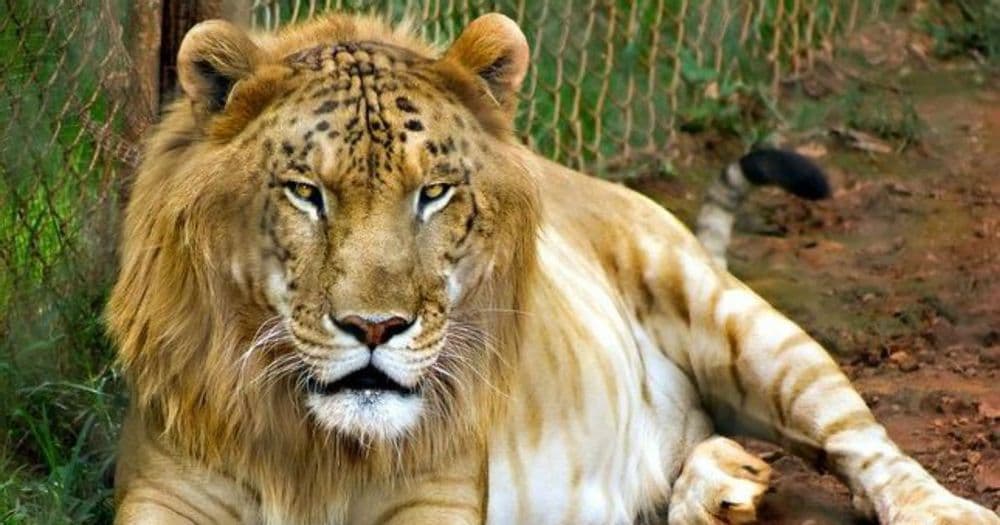
You Probably Didn’t Know At All That These Animal Hybrids Existed
Liger
It’s quite simple and clear. A liger is born when a female tiger and a male lion mate! Due to this unusual combination, they can grow to be larger than either parent. As a result, the liger is the largest feline on the planet. Regrettably, the extra weight contribute significantly to health conditions such as heart failure. As a result, their lifespans are typically shorter than those of tigers and lions. Typically, their organs are too small for their massive bodies.
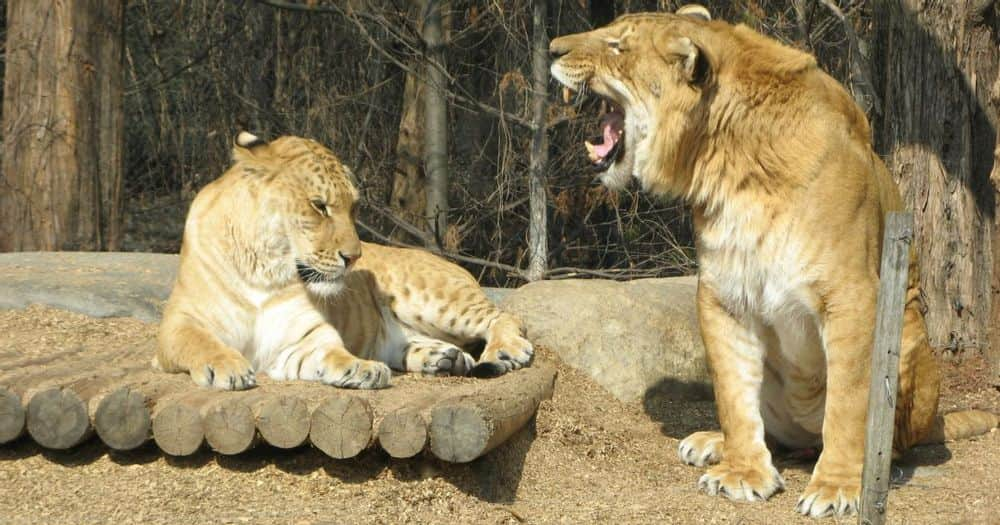
Liger
Cama
What is a cama? It’s a llama-camel hybrid with one hump. The camel was developed at Dubai’s Camel Reproduction Centre. It was bred as part of research to create a sheep capable of producing more wool than a llama while remaining more docile than a camel. Because a male camel weighs five times the same as a female llama, the cama was generated through artificial insemination.
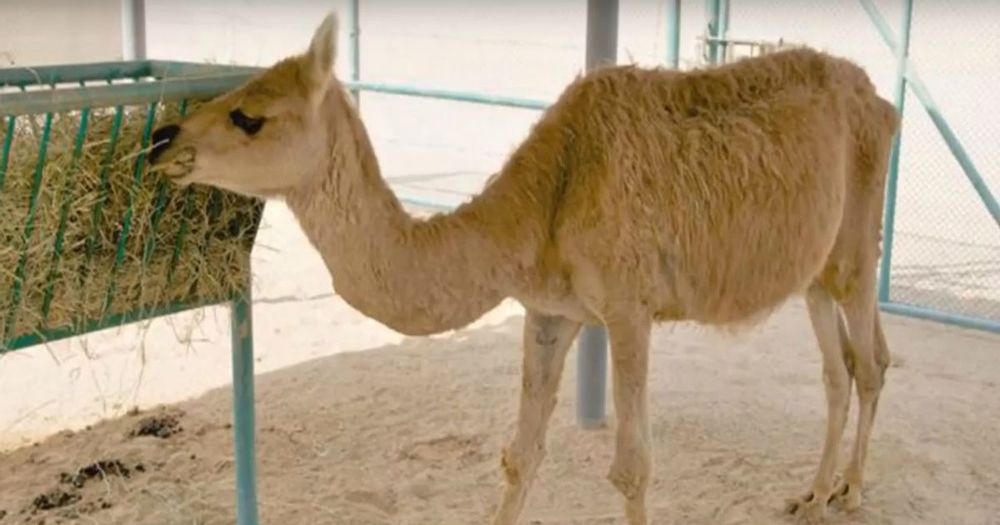
Cama
Zonkey
Do you believe in the deafening blindness of love? This could be the case if a zebra and a donkey mate and produce a zonkey. This creature is either a zebroid or a hybrid of two zebras. The zonkey is the most uncommon of them all. Donkeys and zebras share a great deal of genetic material. While the cross is an intriguing combination, it does have a disadvantage. Dwarfism is a prevalent characteristic of Zonkeys!
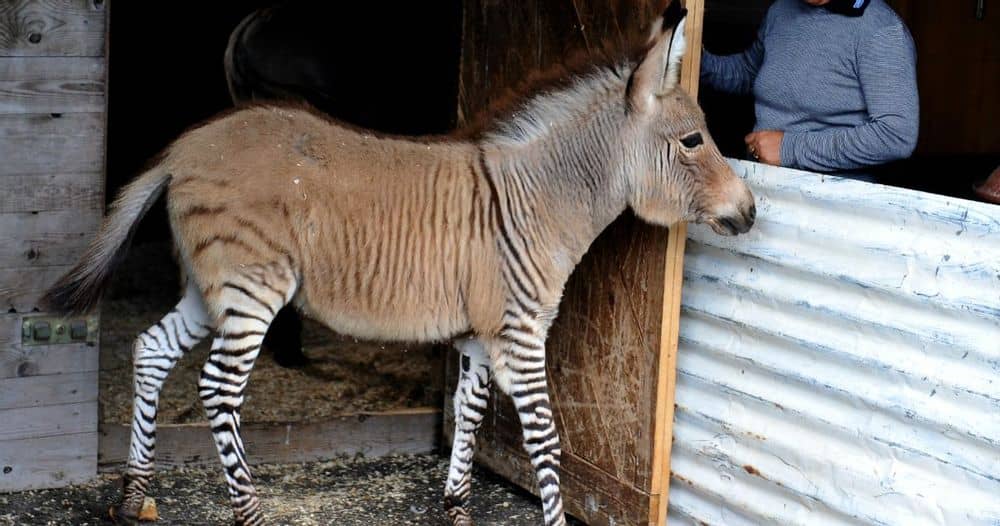
Zonkey
Grolar Bear
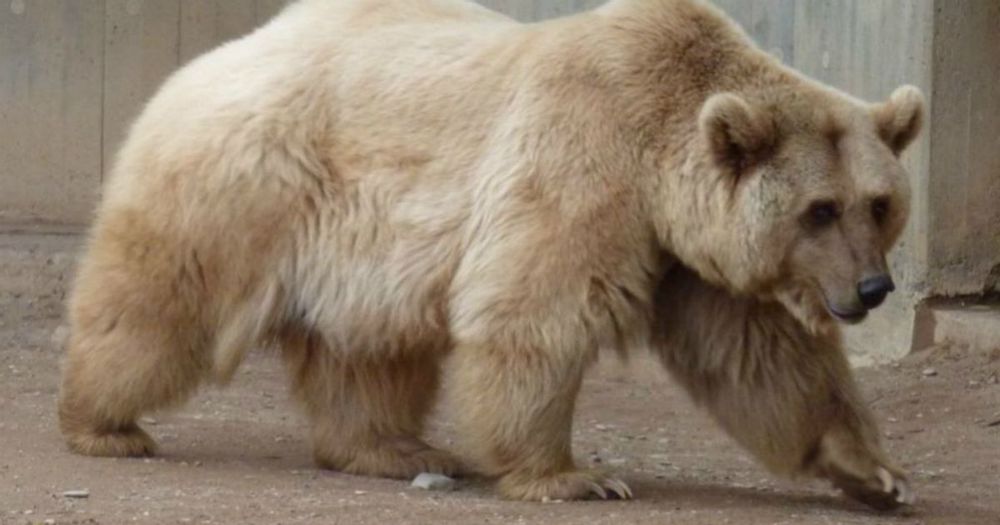
You can probably tell by looking at the bear in this photo that it is a cross between a polar bear as well as a grizzly bear. This creature, also called the grolar or pizzly, is found both in the wild and in captivity. Generally, the two bear species avoid one another. Polar bears have been forced to migrate south due to the melting of the ice caps. As a result, they have encountered their brown counterparts on a more frequent basis.
Grolar Bear
Zorse
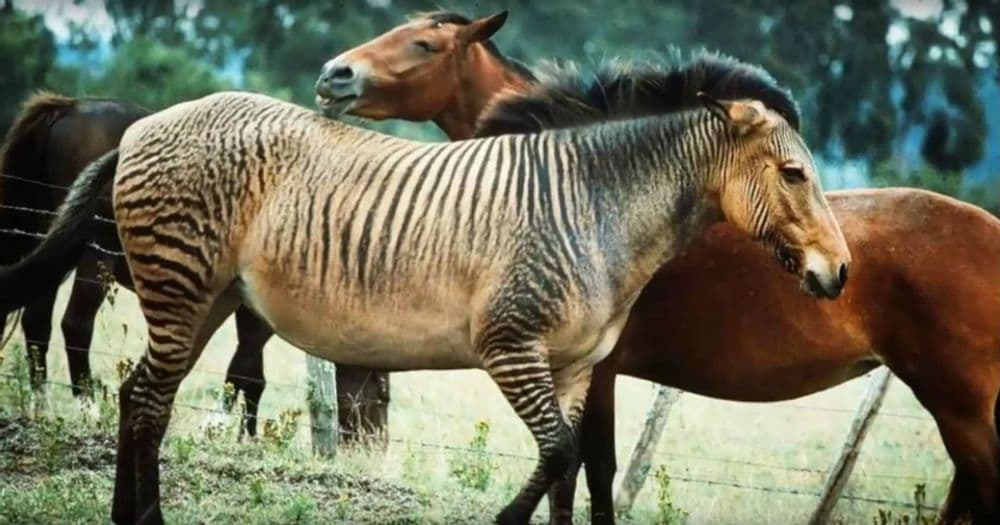
A zebroid is sometimes referred to as a zorse. It is a hybrid of a horse and a zebra, which distinguishes it from a zonkey. Because horses have a different chromosome number than donkeys, they are genetically more distant from zebras. As a result, congenital disabilities such as dwarfism have increased in prevalence. Typically, a distinguishing feature separates the endearing hybrids. Stripes are most frequently found in remote areas of those with spots.
Zorse
Savannah Cat
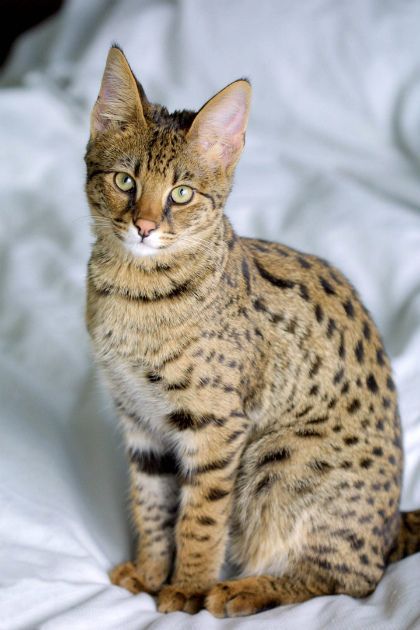
This is the result of crossing a domestic cat with an African wild cat known as a serval. Savannah cats are enthralling but peaceful creatures. It gained popularity in the 1990s but was not officially recognized as a cat breed until the new millennium. The good news is that it poses few health risks! You can also keep one as a house pet.
Savannah Cat
Wholphin
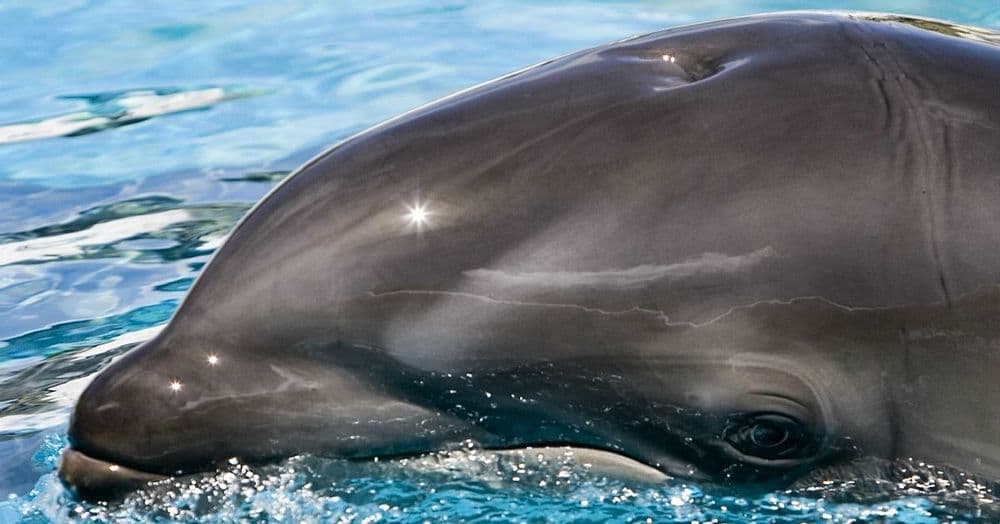
This is Kawili Kai, a half-wholphin, half-dolphin hybrid. Her mother, Kekaimalu, is the only known wholphin. A wholphin is a cross between a dolphin and a killer whale. Although the name implies that a wholphin is a whale, a false killer whale is simply a dolphin. Its scarcity, on the other hand, sets it apart. Kekaimalu is the only known living wholphin.
Wholphin
Beefalo
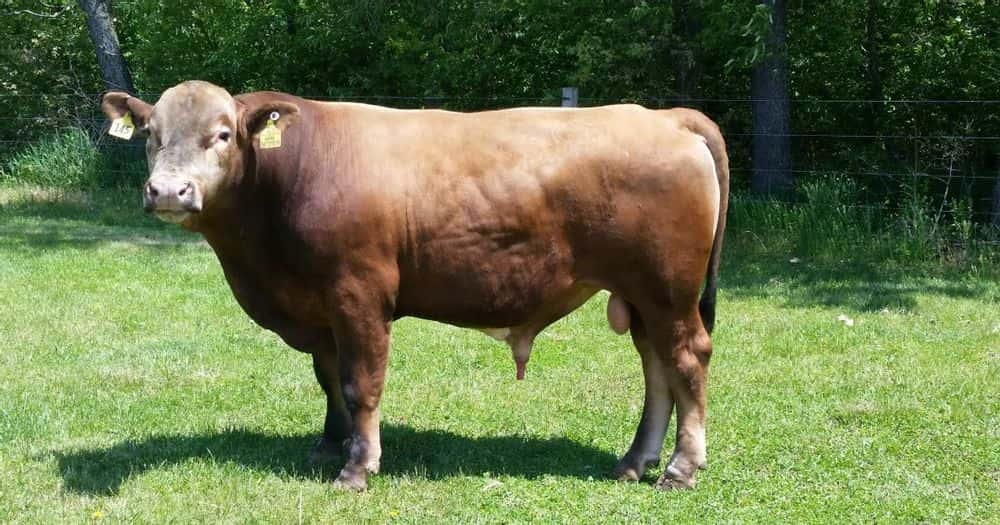
When settlers first brought cattle to the New World in the 18th century, they inadvertently crossed bison and cattle. They were later crossbred more purposefully, but a few of them escaped. There are now wild herds of beefalo near the Grand Canyon. They wreak havoc by emptying watering holes and generally making a mess wherever they go! It is now up for debate whether we should capture them.
Beefalo
Tigon
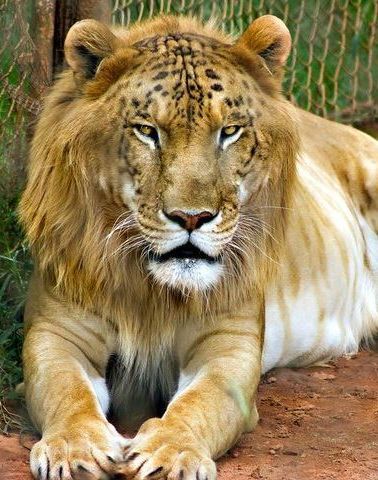
The Tigon was created by crossing a male tiger and a female lion. The sex of the parents is what distinguishes it from a Liger. You’d think the tigon and the liger would look alike, but they’re not. Tigons are not as large as ligers and do not develop dwarfism. On average, they are healthier than their close relatives.
Tigon
Wolfdog
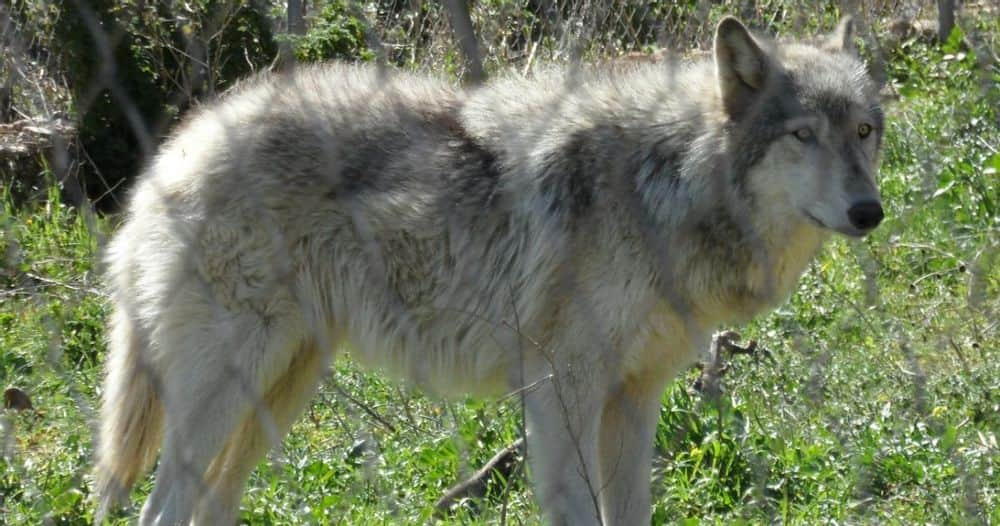
You can probably guess who the parents of a wolfdog are. It has the appearance of a cross between a dog and a wolf. Dogs haven’t been domesticated in thousands of years. Despite this, some pet owners want their animals to have more wolf-like characteristics. Wolfdogs, on the other hand, are more dangerous and unpredictable than house dogs.
Wolfdog
Jaglion
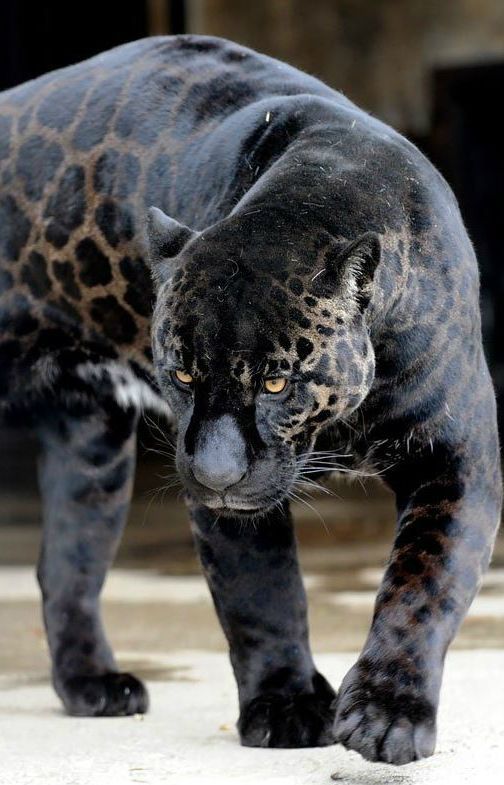
On the market, there are numerous big cat hybrids. The Jaglion is one of them. It’s a cross between a lioness and a jaguar. Jazhara, a female jaglion born by chance in Bear Creek Sanctuary in 2006, is depicted in this photo. Tsunami, her brother, is more akin to a leopard than a jaguar or lion. Since they were taken to the sanctuary, where they all live, Diablo and Lola, their parents, have been inseparable.
Jaglion
Narluga
Unlike other hybrids, Narlugas live in the wild. Because they have to share space, the mixing of narwhal and beluga whales could be caused by climate change. They don’t have horns, but they do have narwhal-like heads and coloring. Their shape is similar to that of a beluga whale.
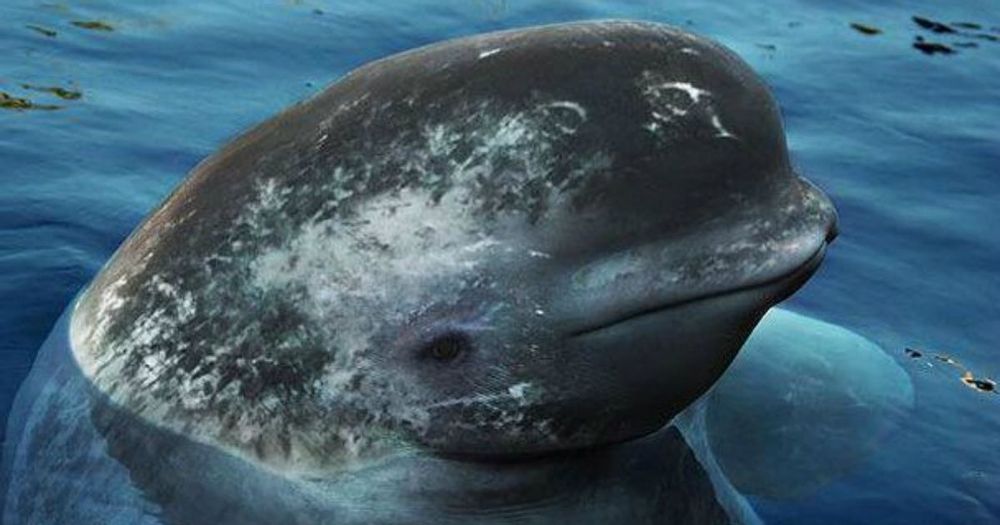
Narluga
Mule Bird
The mule bird is a cross between a canary and a goldfinch. Because they were once bred as house pets, they are also known as British finches. Because so many people hunted or caught them in the United Kingdom, the government decided to make it illegal to hunt them in 1981.
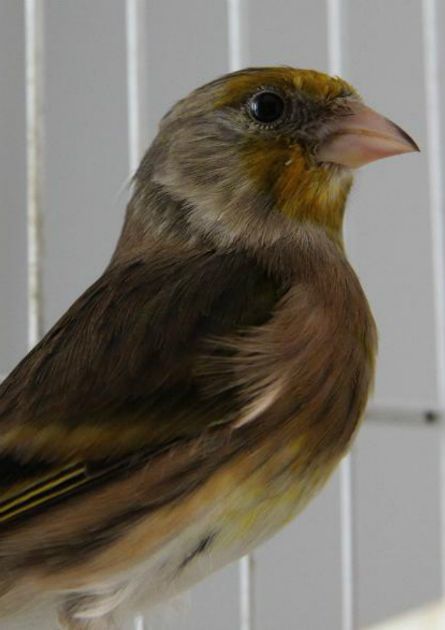
Mule Bird
Blood Parrot Cichlid
The blood parrot cichlid’s name isn’t the only odd thing about it. The blood parrot cichlid is a hybrid of a cichlid and a Midis fish with two very different parents. The result is beautiful, but it has a few congenital flaws, such as a mouth that cannot close. They have a habit of leaving a lot of debris behind when they eat!
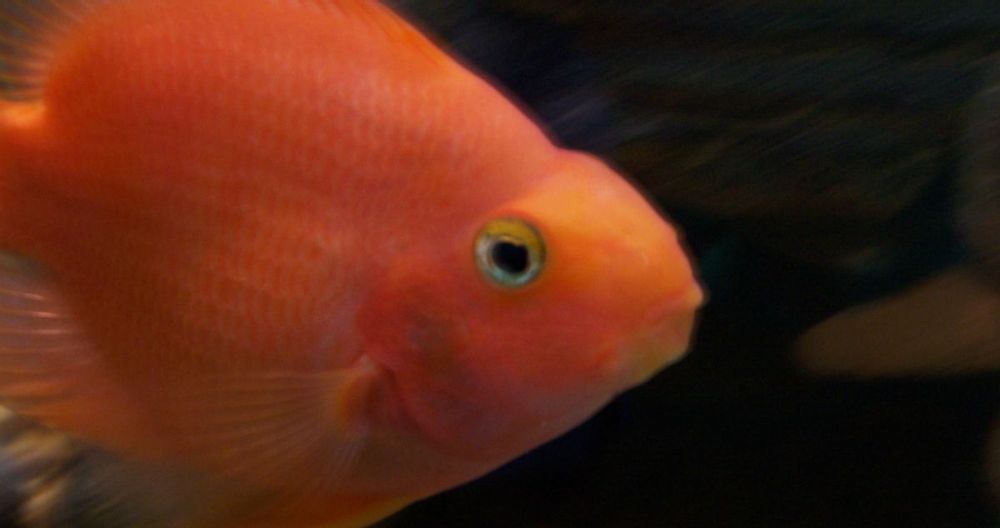
Blood Parrot Cichlid
Mulard
This creature’s name is derived from mallard and mule. Because it is a cross between Pekin and Muscovy ducks, it makes sense. This creature is bread not because of how it looks but because of how it tastes. Mulards are calmer and harder, which means they produce better foie gras and meat.
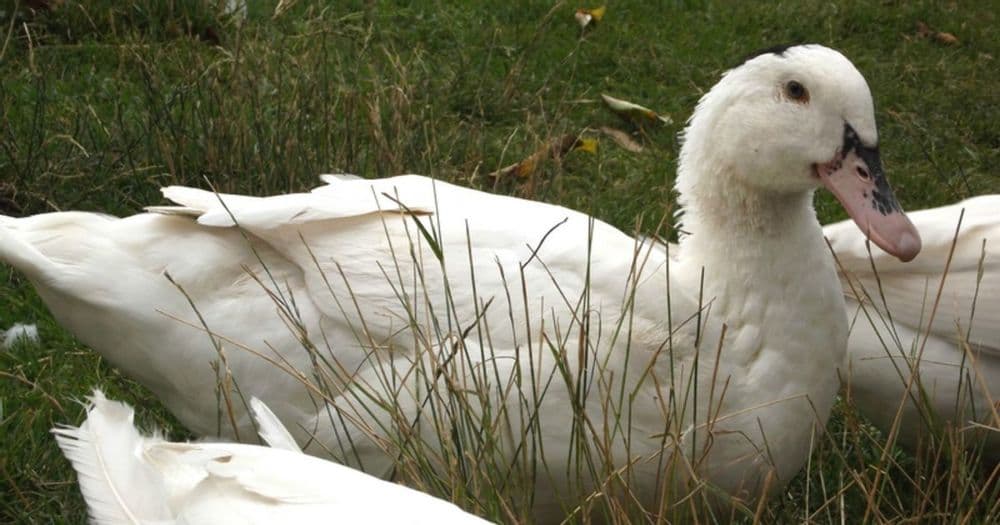
Mulard
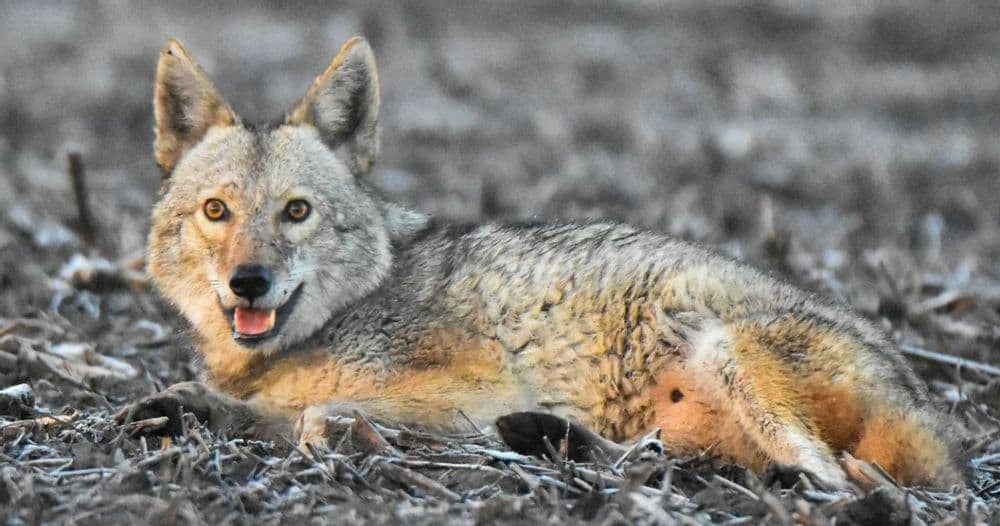
Coydog
The coydog, like the wolfdog, has parents who are easily identified. If you guessed a cross between a dog and a coyote, you are correct. These animals were bred for generations in Pre-Columbian Mexico, and they are still bred in captivity today. Wolfdogs are typically more dependable and calm. Coydogs, on the other hand, are more mischievous creatures!
Coydog
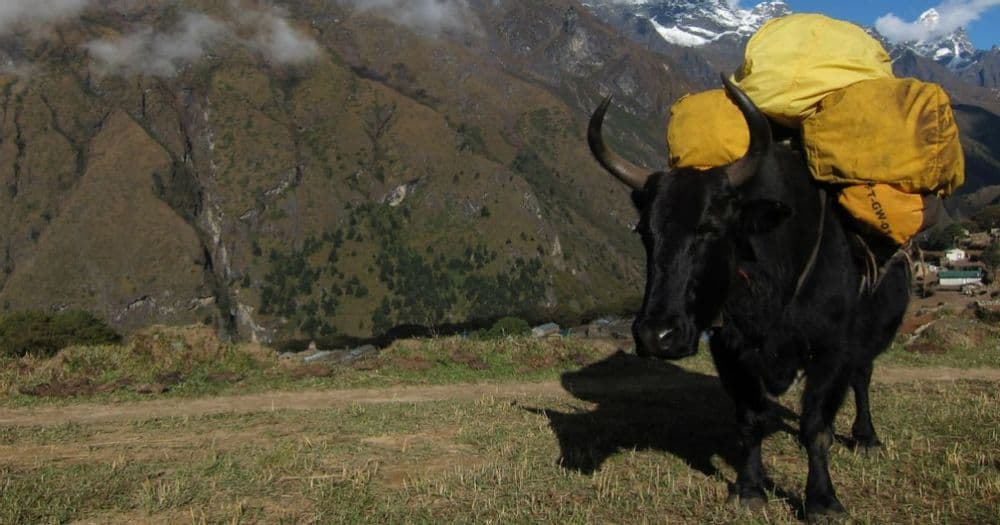
Dzo
Yaks and cattle are bred together in Tibet and Mongolia to create tougher animals. The resulting animal is the dzo, which is also known as the yattle in some English-speaking countries. In terms of meat and milk production, they are usually more productive. However, the males are sterile, which is a problem. As a result, this creature, like the mule, can be considered a true hybrid created for practical purposes.
Dzo
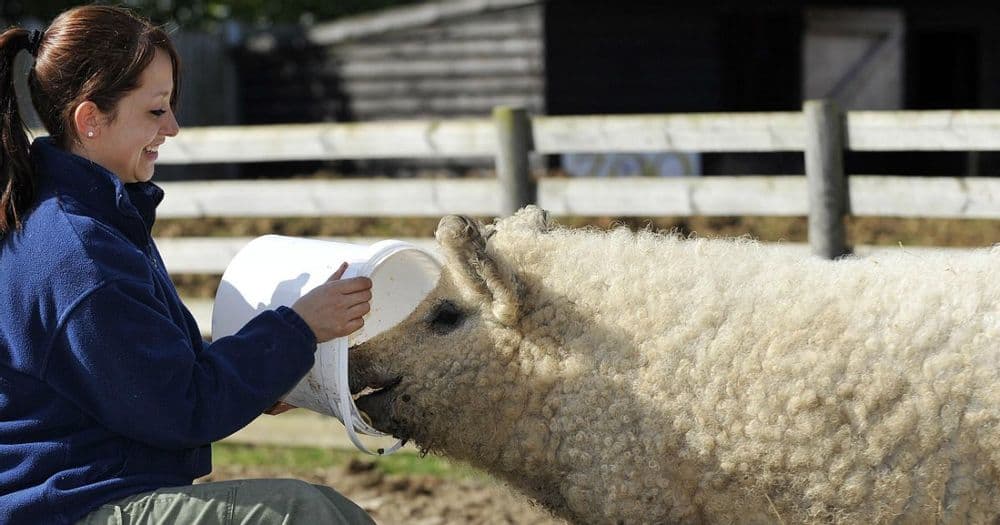
Mangalica
Although it isn’t an actual hybrid, the Mangalica is a truly bizarre animal. It resembles a cross between a sheep and a pig! The Mangalica is a Hungarian prig that has been specifically bred to produce lard. It was on the verge of extinction in the 1980s, but farmers have been breeding more of them in recent years. Despite their adorable woolly curls, they are best known for their popular sausages.
Mangalica
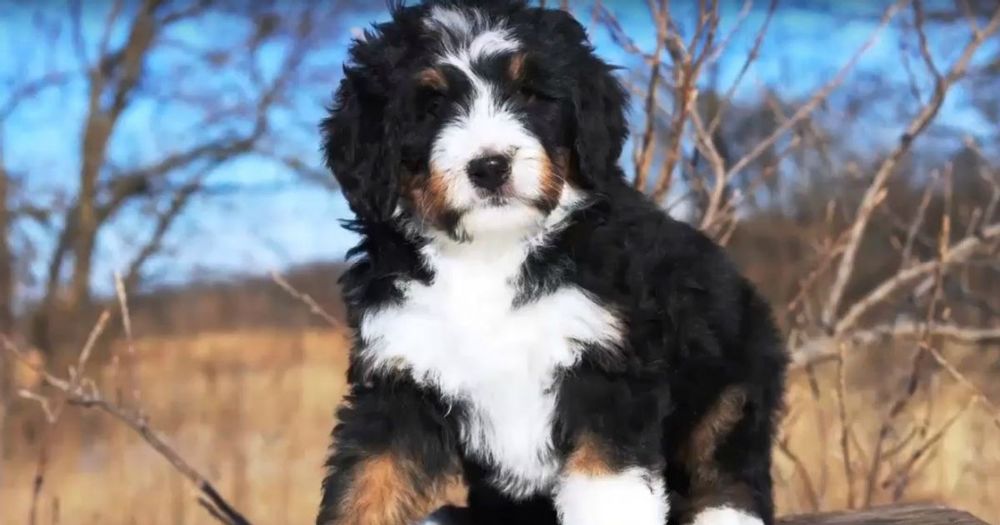
Bernedoodle
The “doodle” craze has recently swept the dog breeding scene. The bernedoodle is a cross between a poodle and a Bernese mountain dog, but it will not grow to be as large as the latter due to its poodle genes. This breed is known for being a laid-back and playful dog that enjoys swimming and running.
Bernedoodle
Iron Age Pig
If you’re wondering, the iron age pig is a cross between a domestic pig and a wild boar. Originally, they were bred to resemble something from an Iron Age cave wall painting. Because many of these animals ended up in the wild, they have become an invasive species in various parts of the United States.
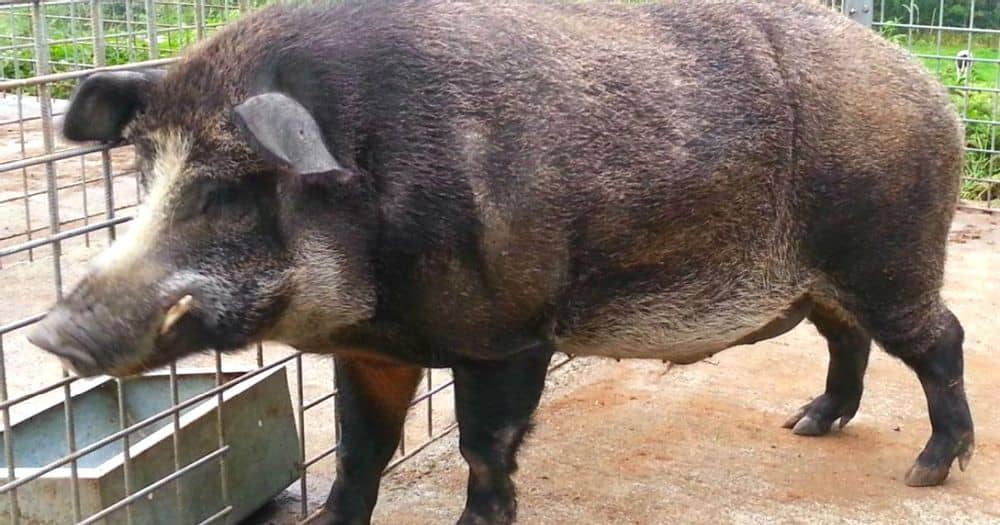
Iron Age Pig
Geep
The geep, also known as a shoat, is half goat and half sheep. Regardless of its parentage, it is completely adorable, in our opinion! We regret to inform you that the hybrid is tough to find. Its scarcity stems from the fact that they are usually stillborn.
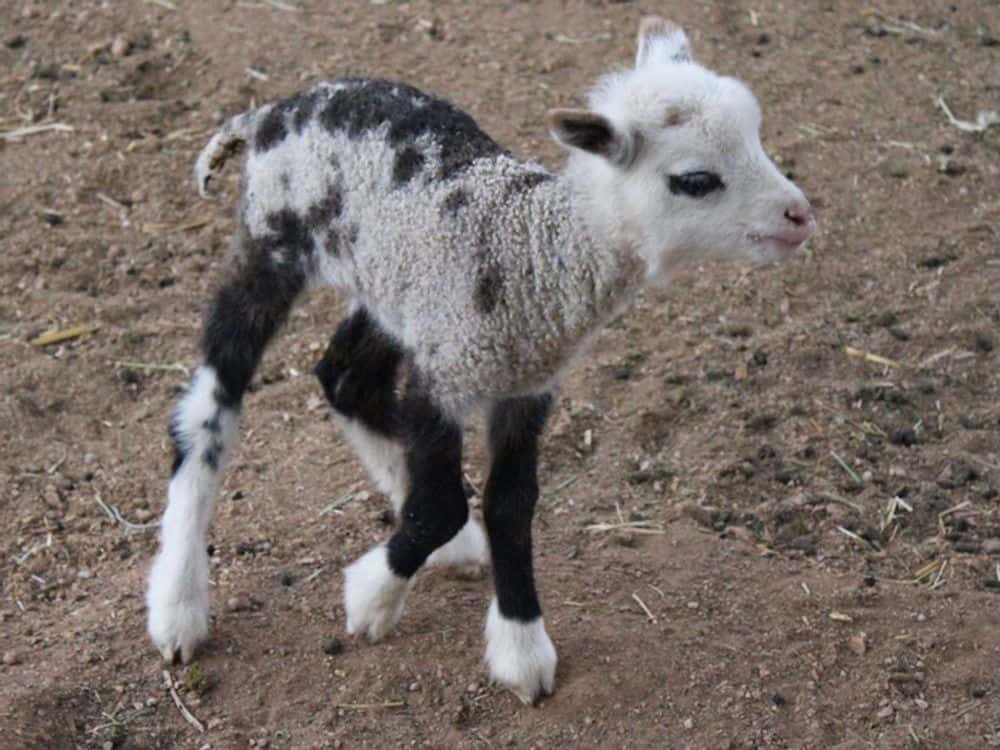
Geep
Coywolf
Wolves and coyotes only diverged biologically around 300,000 years ago. All things considered, this is still relatively new. We can see why the two species can still reproduce relatively easily. The coywolf is the result, a creature with behavioral characteristics similar to both of its parents. When it comes to size, it is usually somewhere between the wolf and the coywolf.
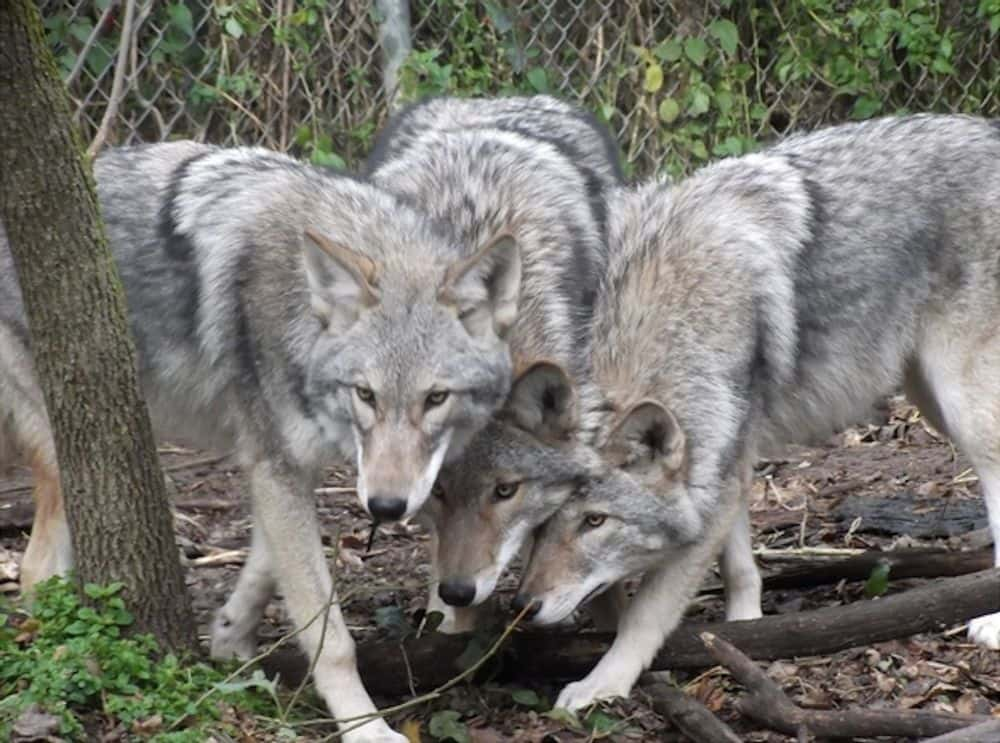
Coywolf
Hinny
Can you figure out what the hinny is? If you guessed that it was the result of a cross between a female donkey and a male horse, you were correct. On the other hand, if you guessed that it’s just a mule, you’d be completely wrong. On the other hand, the mule results from a cross between a female horse and a male donkey.
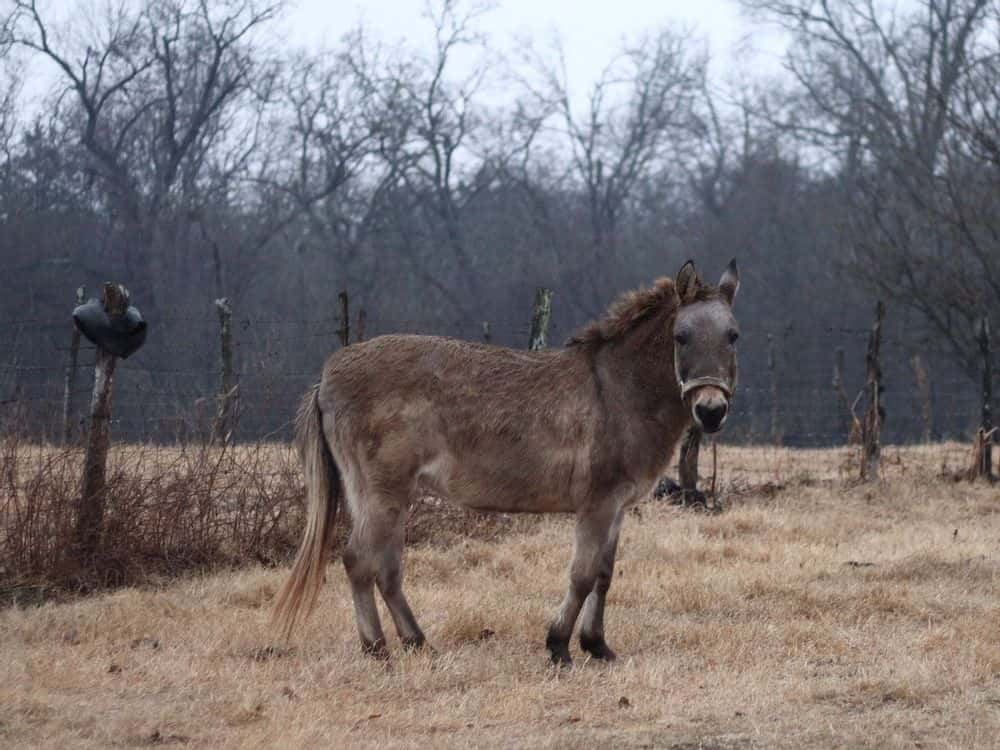
Hinny
Leopon
You are looking at a hybrid animal that resulted from the cross of a lioness and a male leopard. The head resembles that of a female lion. Despite this, the rest of its body resembles the father more. The leopon is a creature that is only bred in captivity.
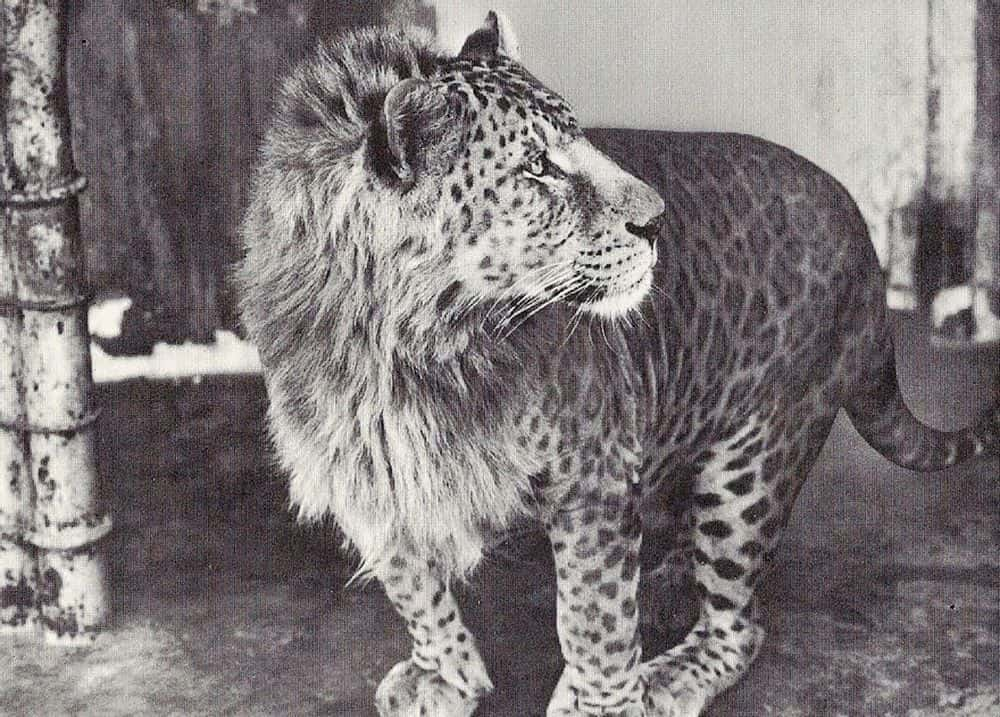
Leopon
Zubron
A zubron can be seen in the photo below. This creature is the offspring of a cross between a cow and a European bison. It was intended to replace cattle on the European continent, but it failed. Only a small herd left, and they all live in Poland’s Bialowieski National Park.
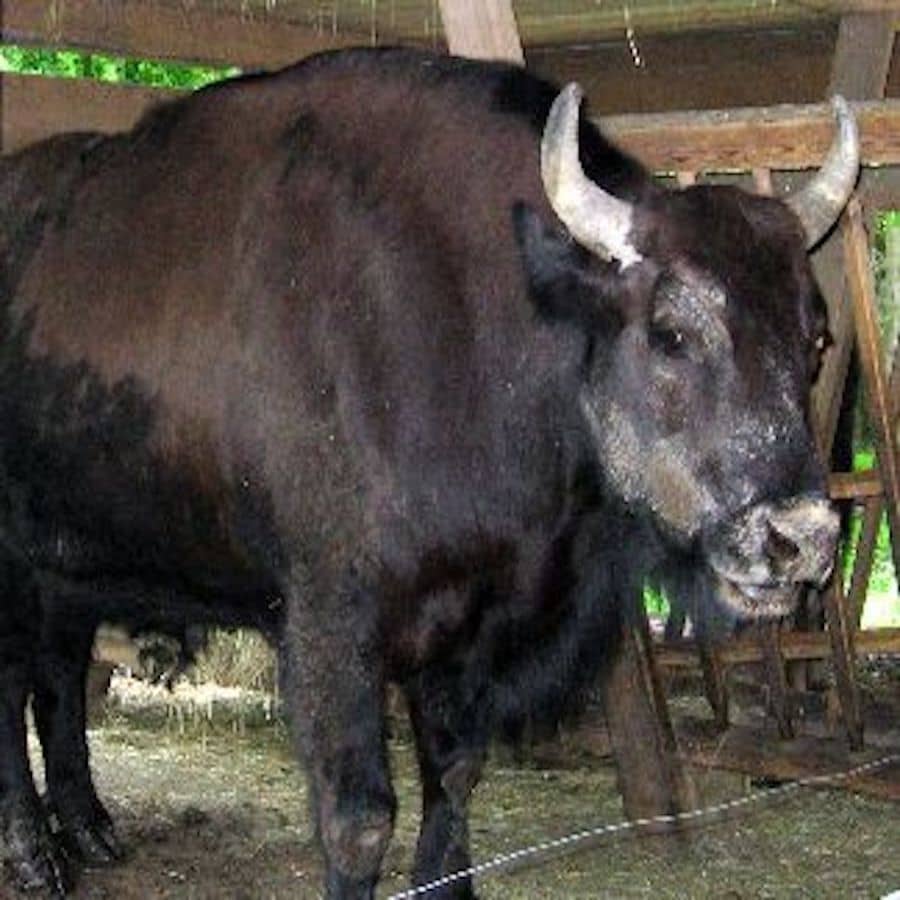
Zubron
Toyger
When you cross a Bengal breed with a Domestic Shorthair tabby, you get the Toyger. This animal was first bred in the United States in the 1980s to raise awareness about the conservation of the tiger population. By 2020, there will be 469 registered Toygers worldwide.
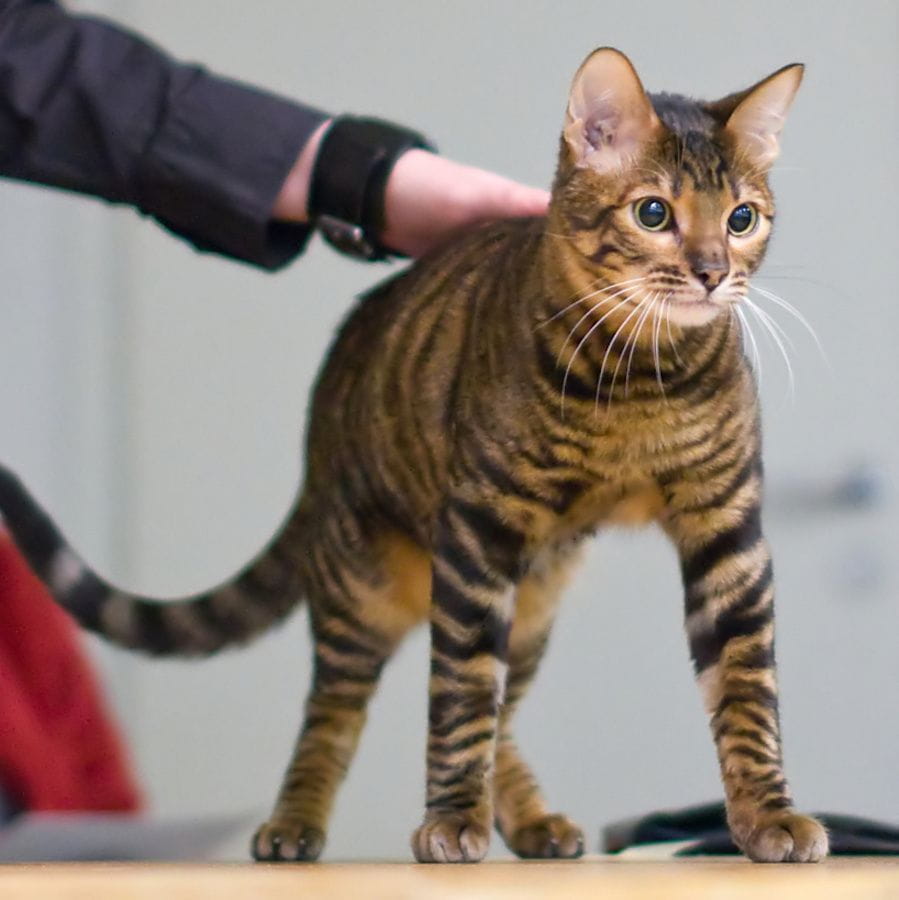
Toyger
Litigon
The litigon can be thought of as the polar opposite of the liger. The tigon is a hybrid animal that was created by crossing a lioness and a male tiger. In a zoo in Haikou, China, a 6-year-old tigon gave birth to two litigons. This historical event occurred on June 24, 2016.
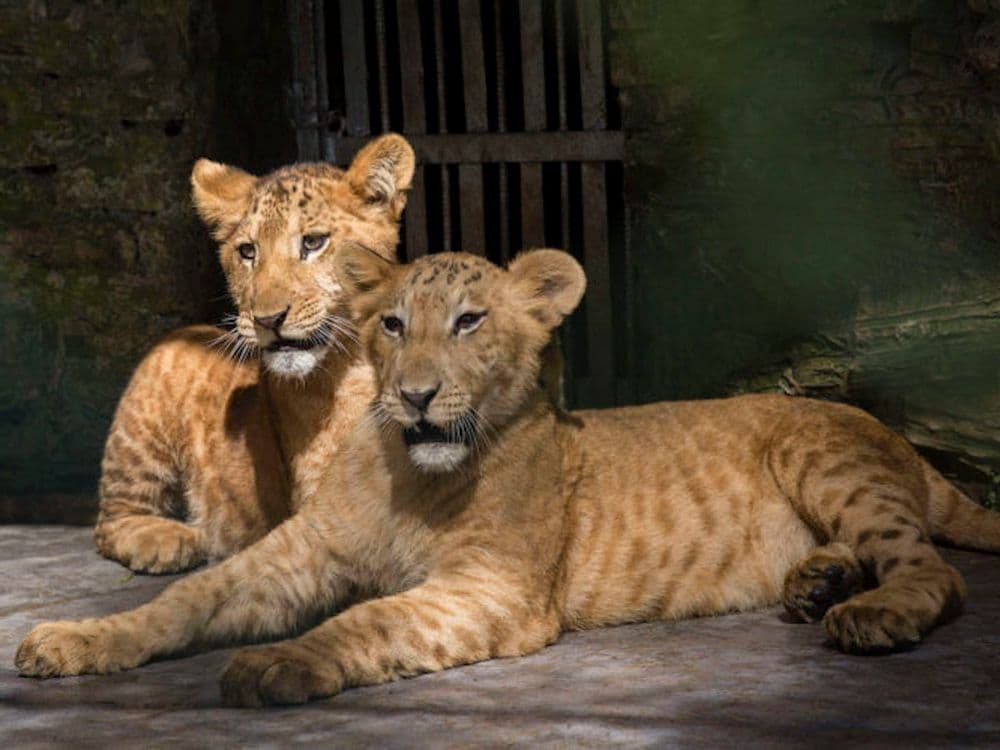
Litigon
Green Sea Slug
You are not the only one who thinks the name “green sea slug” would be appropriate for a sci-fi film creature. It’s that color for a reason. The sea slug’s DNA contains the genetic material of the algae on which it feeds. It mutates it into an animal-plant hybrid capable of consuming food or creating its own.
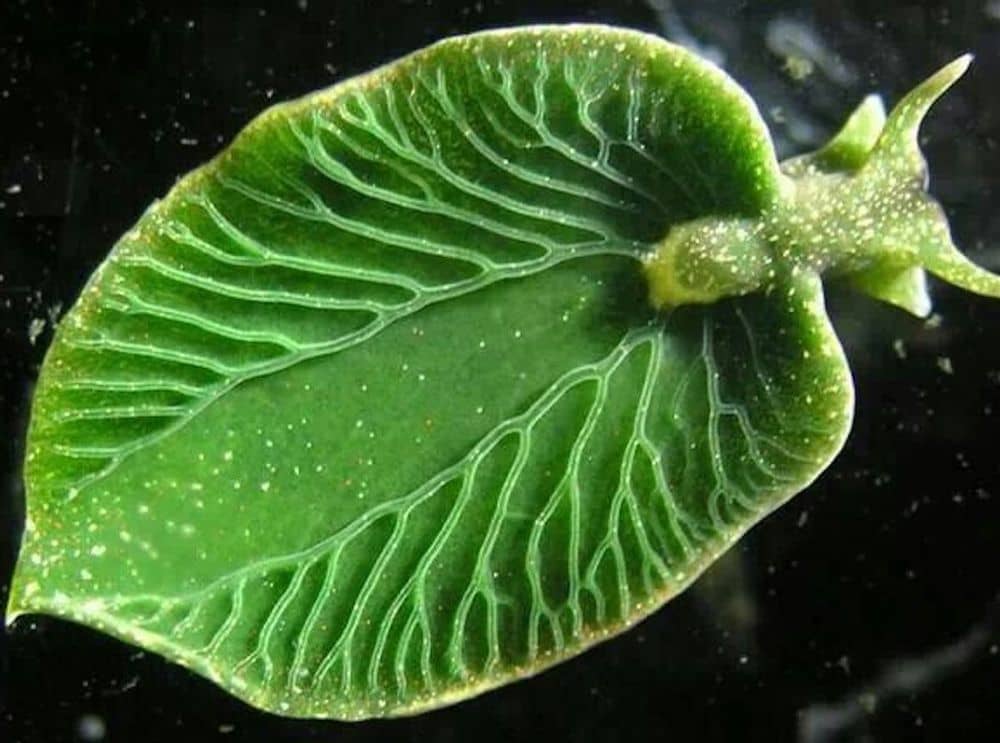
Green Sea Slug
Zony
We are confident that you will agree with us when we say that the zony resembles the horse. When you learn about its parents, it all makes sense. It appears to be the result of a cross between a pony mare and a zebra stallion.
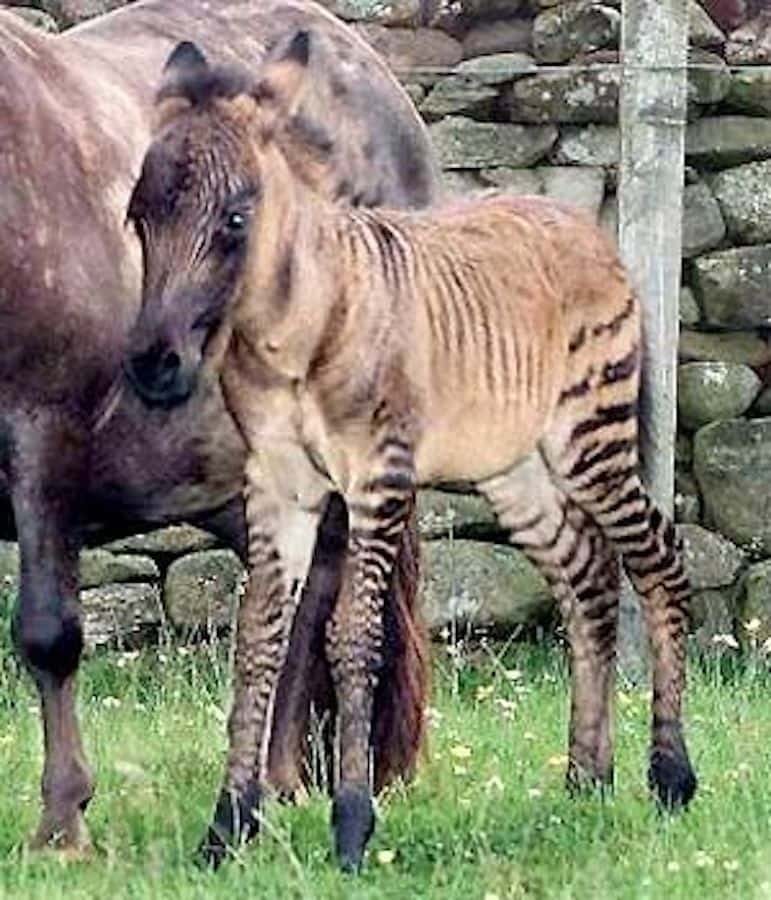
Zony
Pumapard
When you cross a male puma with a female leopard, you get this. When a male leopard and a female puma mate, a pumapard is born. Dwarfism is a common congenital disability in this hybrid animal. It does not typically grow to be as large as a puma or a leopard.
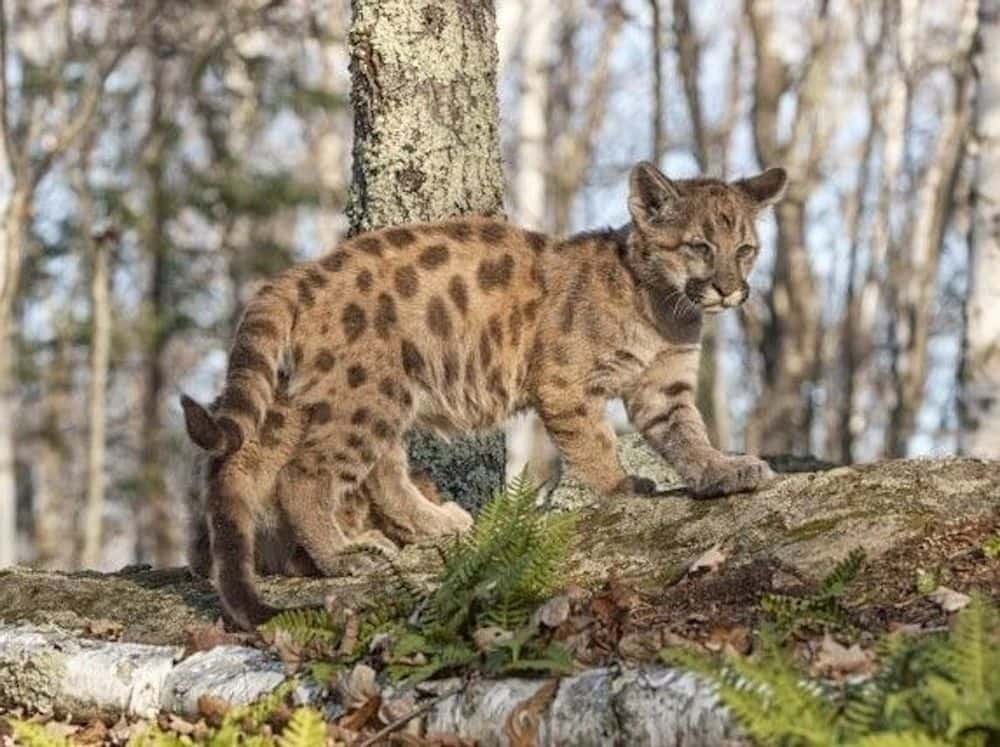
Pumapard
Gajasimha
It’s enthralling to learn more about these animal hybrids. Why not look into mythological ones as well? The Gajasimha is an Indian mythical creature with the head of an elephant and the body of a lion. Outside of the painted and sculptural depictions, it isn’t easy to learn more about it. The majority of them can be found in temples in South India and Southeast Asia.
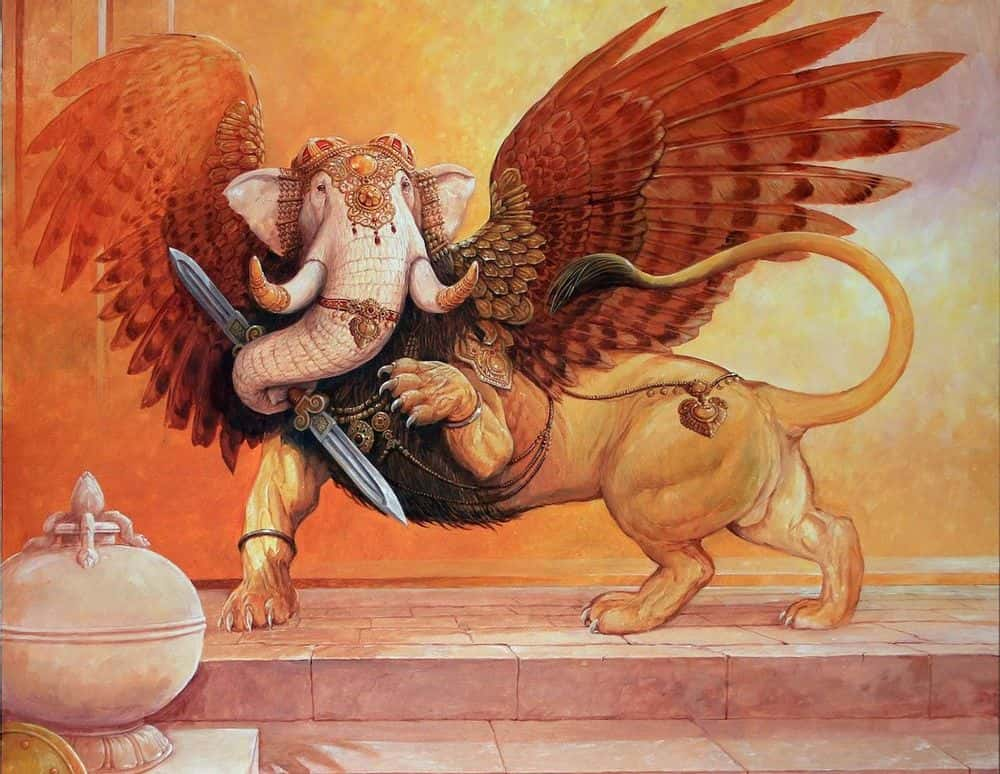
Gajasimha
Buraq
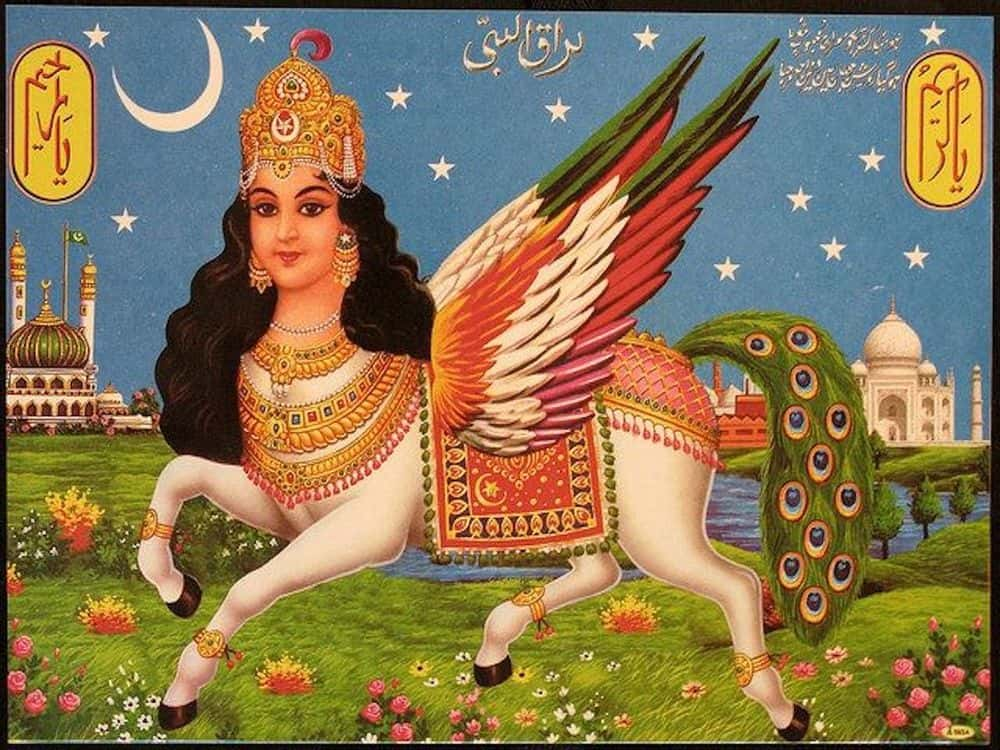
The Buraq, on the other hand, is a mythical creature found in Islamic literature. It’s a horse-like creature with a peacock tail and a human face. What an odd combination! We’re curious who thought of that. If you are unfamiliar with the religion, this creature is known for transporting prophets to Heaven.
Buraq
Hippalectryon
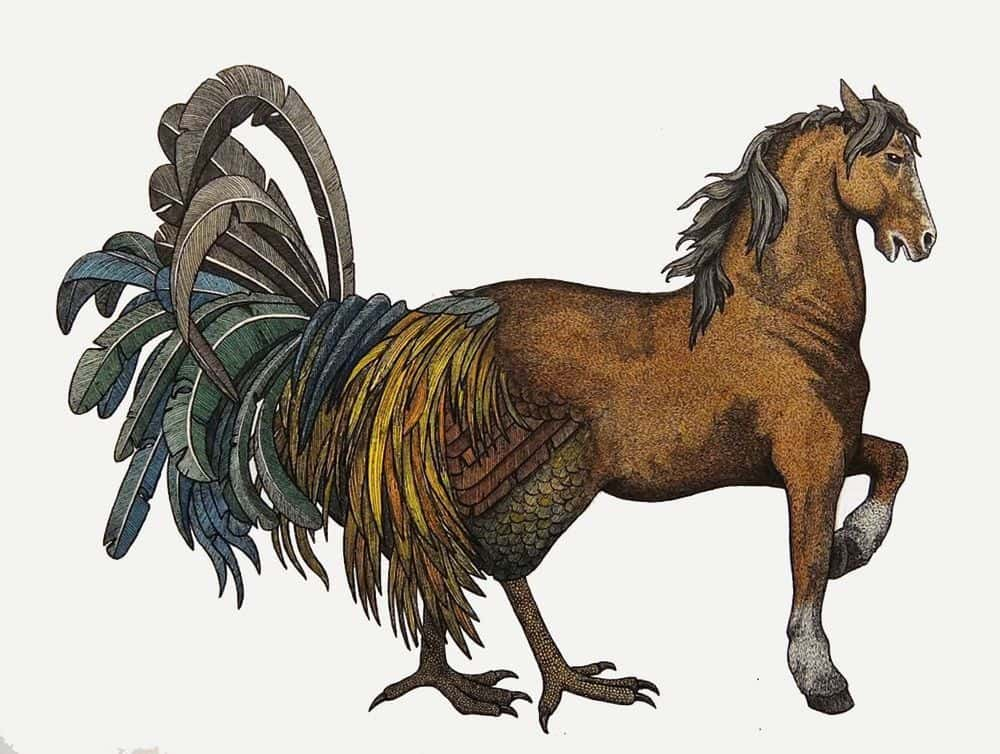
Let’s move on to the Greek pantheon. The Hippalectryon is a hybrid of a rooster and a horse. The Hippalectryon, according to Aristophanes, is “so comically ugly that it invited laughter from people around it, thus driving evil away for good.” You will find this quote of his in The Frogs.
Hippalectryon
Khepri
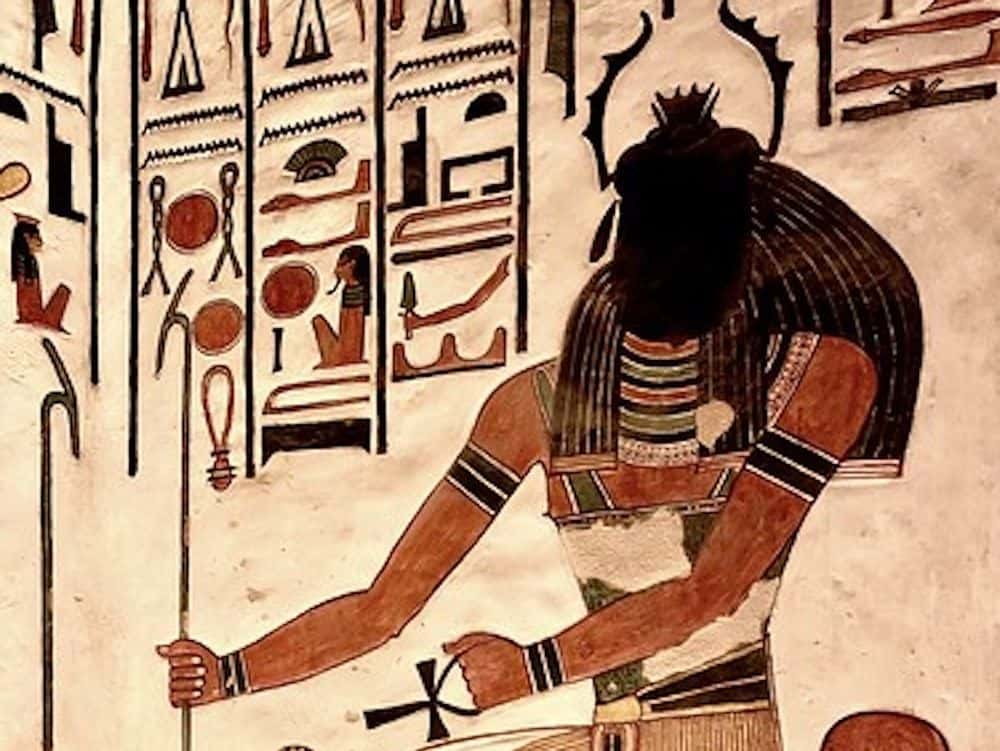
The Khepri appears to us to be a superhero from a comic book. It is based on Egyptian mythology, where it is depicted as a humanoid man with a beetle head. Certain depictions of it also show goat legs, though this is not always the case. What a unique combination. We doubt you’ve ever seen anything like this before.
Khepri
Monocerus
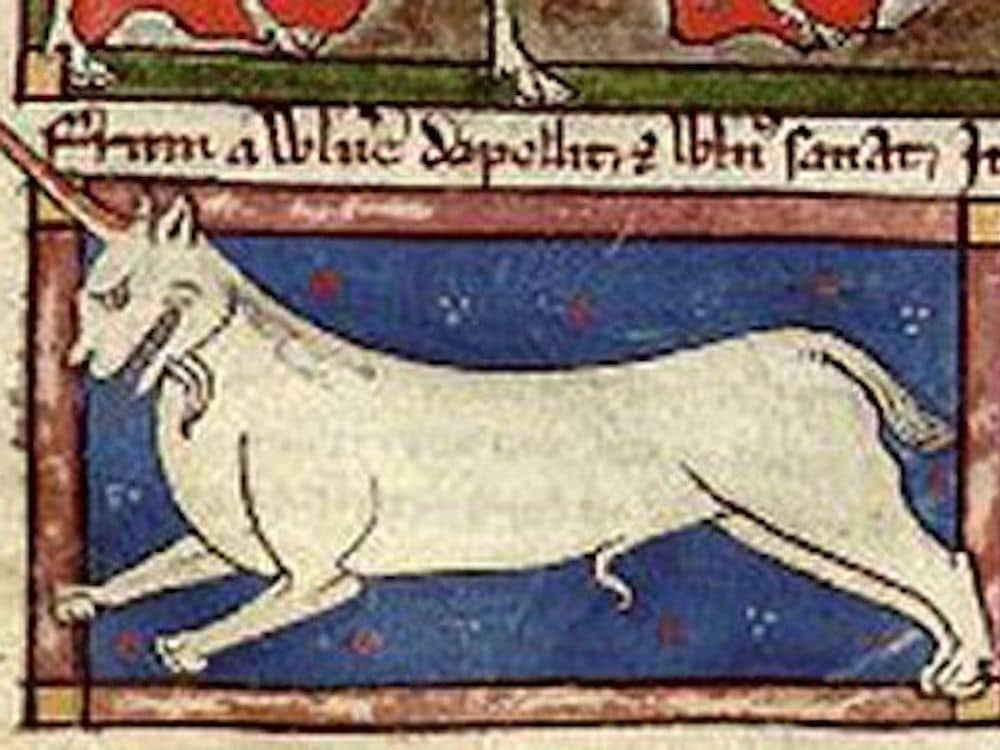
A Moncerus is said to resemble a Unicorn in Greek mythology. However, when it comes to Medieval lore, things are a little different. It was said to have the “head of a stag, the body of a horse, the legs of an elephant, and the tail of a boar” in the Middle Ages, in addition to the ability to pierce elephant skin.
Monocerus
Humanzee
The humanzee is a fictitious cross between a chimp and a human. Serious efforts have been made to create such a hybrid. In the 1980s, the term humanzee appeared to be a portmanteau for a human-chimp hybrid.

Humanzee
Huarizo
According to a recent genetic study conducted at the University of Minnesota, the natural process may not be completely infertile. A huarizo and an alpaca are also related, as the huarache (species of mountain sheep/gazelle sheep) is a hybrid of males and females. Huazos appear to be the most similar to South American camelids in terms of fiber, size, and size because they are smaller.

Huarizo
Polecat–mink
A polecat–mink hybrid is a cross between a European polecat and a European mink, also known as khonorik by fanciers and Khor-make by furriers. Such interbreeding is extremely difficult to breed and occurs only when the European mink population declines.

Polecat Mink
Polecat–ferret
A hybrid polecat is a ferret that is a cross between a wild European polecat and a domestic animal ferry. A white neckband, white paws distinguish a cross between the two species, and white hair intermixed among the fur.

Polecat–ferret
Pine Marten
The Pine Marten’s ears are longer and more prominent than the Polecat’s. The pine marten has a dark brown body, a paler yellow belly and stomach, and a reddish-brown head. The polecat, which has white stripes on its face and a black band around its muzzle, resembles a badger’s mask.

Pine Marten
Gamebird
Crossbreeding between game bird species, such as ducks and domestic poultry, results in gamebird hybrids. These hybrid species are common in the wild, but humans are frequently created by humans, either intentionally or unintentionally.

Gamebird
Golem
Golems are depicted as inanimate creatures made of inanimate matter, such as clay or mud, who have been resurrected to perform certain Jewish folklore tasks. A golem is said to be built to protect Jews from antisemitic attacks in some legends. And, according to legend, golems are extremely loyal and will follow instructions to the letter, so their creators had to be very careful what they wanted them to do.

Golem
Ogre
While the term “ogre” is derived from the ancient Etruscan god Orcus, the beast is derived from the man-eating god. Many of us have heard of ogres because of Shrek, but Shrek isn’t your typical ogre. Ogres are large, heavy, and hairy creatures with a voracious appetite. They’re portrayed as either dull and dim-witted or brutal, but who knows? Perhaps they’re layered in the manner of an onion.

Ogre
Fairies
Faeries, also known as fairies, fey, or fae, have their origins in Old French historical romance stories. Throughout history, mythical creatures or spirits have appeared in various myths, legends, and stories, and they continue to do so today. Most people imagine tiny, winged, magical beings when they think of fairies or faeries. Faeries were rarely depicted with wings outside of Victorian art. Faeries were said to fly using magic and occasionally catch a ride on the back of a friendly bird in folklore.

Fairies
Gorgon
Like Medusa, the Gorgons were terrifying creatures capable of turning their prey to stone with a single glance. The Gorgons’ appearance was a strange mix of beautiful and terrifying, with their most distinguishing feature being that they wore live snakes instead of fur. Gorgon myths teach us not to be fooled solely by appearances.

Gorgon
Mermaid
Mermaids have captivated people for centuries due to their unusual allure. It is possible to trace the origins of myths about half-human, half-fish beings all the way back to Babylon. Merpeople also appear in Syrian, Polynesian, and Ancient Greek mythology. Some cultures depicted mermaids as glamorous and romantic, while others depicted them as evil and capable of hastening and causing disaster.

Mermaid
Minotaur
According to Greek mythology, the Minotaur was the son of the Goddess of Crete and a mighty bull who came from the sea. The Minotaur possessed a human body as well as a bull’s head and tail. King Minos was so outraged by this development that he constructed the Labyrinth, a complex maze designed to imprison him.

Minotaur
Aqrabuamelu
The Aqrabuamelu, or scorpion, is a hideous beast from ancient Mesopotamia, most notably in Babylonian mythology. They are a combination of a scorpion and a man, with a scorpion’s body and a person’s face, torso, and arms. They are guardians and sometimes warn travelers who are in danger because they looked terrible and were created to fight the Gods.

Aqrabuamelu
Fauns
Fauns or goat men were introduced into Roman mythology from Greek Satyrs. Satyr’s presence was based, in turn, on the god Pan. A man’s upper body with the legs and tail of a goat. The art depicts other goatlike characteristics such as horns and pointy ore. These goats offered assistance to travelers in need.

Fauns