
No one wants a lemon – the kind of car that as soon as you drive it off the lot, something fails. Perhaps the brakes don’t work, or the engine goes kaput…the worst thing which could happen happens and now you have a huge monetary loss on your hands. If you’re wondering how to avoid this, a really easy thing you can do is to avoid buying cars which were made poorly. We have listed some of the worst cars that have ever been made, so keep reading to find out which ones you should avoid like the plague when buying a car.
The 2004 Chevy SSR
“Super Sport Roadster” – that is what the SSR stands for. However, when the Chevy SSR was released, consumers realized this car wasn’t really a super, sporty roadster. It was actually a slow and heavy failure of a car that had a shiny retro design. It seemed like Chevy only cared about what the car looked like and hadn’t put much thought into what would go under the hood. The car’s body was just too heavy for the engine, which resulted in a sluggish performance a lot of critics described as lazy. As quickly as it was released, this car was put to rest.
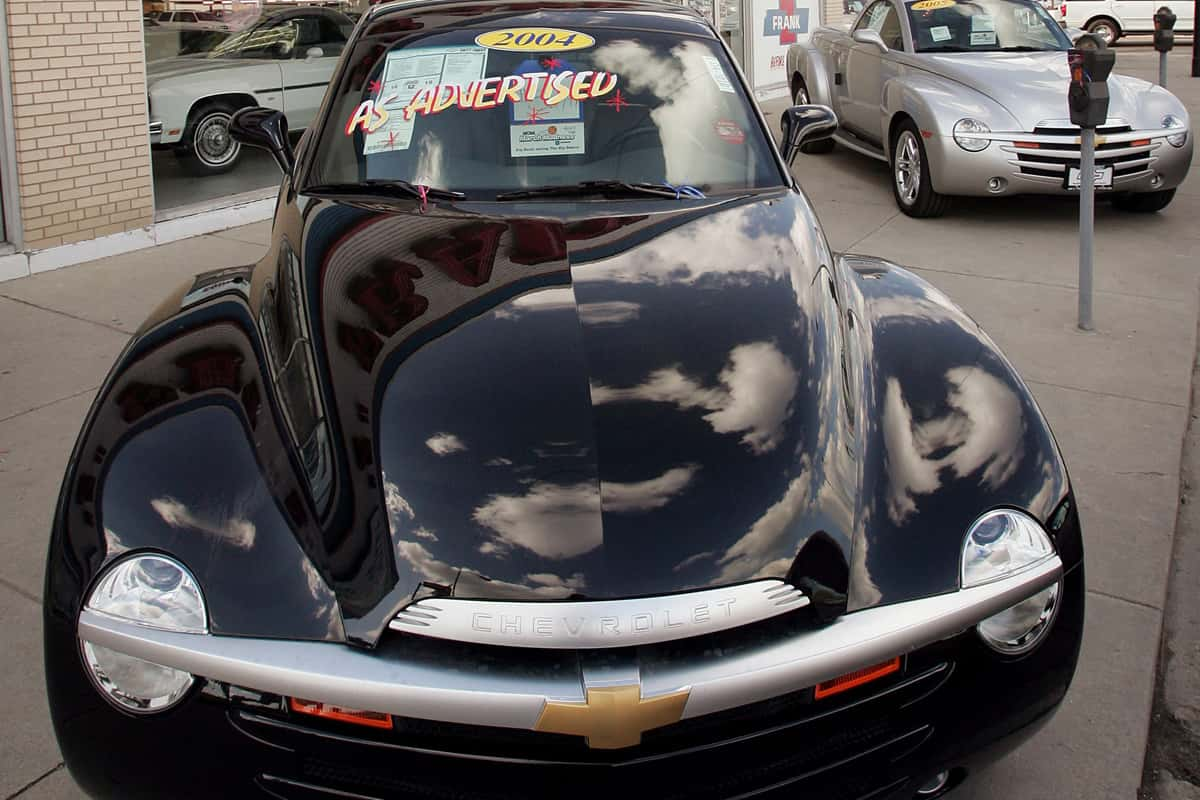
The 2004 Chevy SSR
The Pontiac Aztek
One of the most universally despised Pontiac cars, the Aztek was widely hated by car lovers as soon as it was announced. According to critics, the car’s design itself didn’t make any sense, especially the front end that is shaped quite oddly. It also didn’t help that plastic was used to make the body instead of something safer. Once Pontiac announced the Aztek’s features and price tag, it became clear that the crossover was doomed. People simply didn’t want to pay for the underwhelming design and unimpressive performance. However, you have to give it the Aztek. It lasted five years despite being such a poorly-selling car.
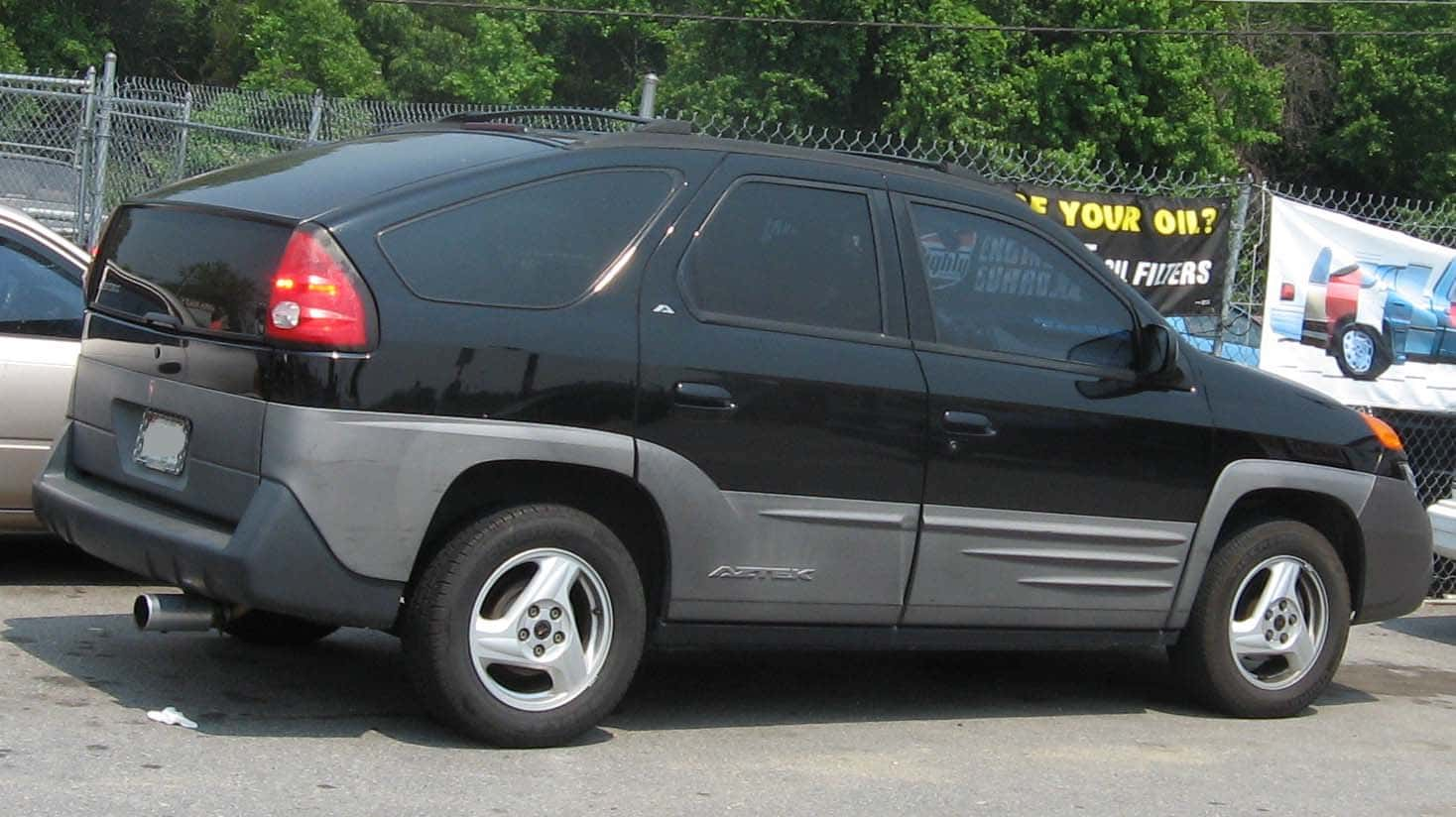
The Pontiac Aztek
The Mustang II
Ford bought into the idea of Pinto like no one could have expected. The Mustang II was based on the same idea as the Pinto. It was designed as a coupe that was supposed to drive like a roadster. Like the Pinto, the Mustang II suffered from several fatal flaws, including a generally underwhelming performance. Upon its release, critics called it the poor man’s AMC Gremlin, a similar car that offered better performance. Of course, the Gremlin wasn’t popular either, so maybe that wasn’t a good thing.
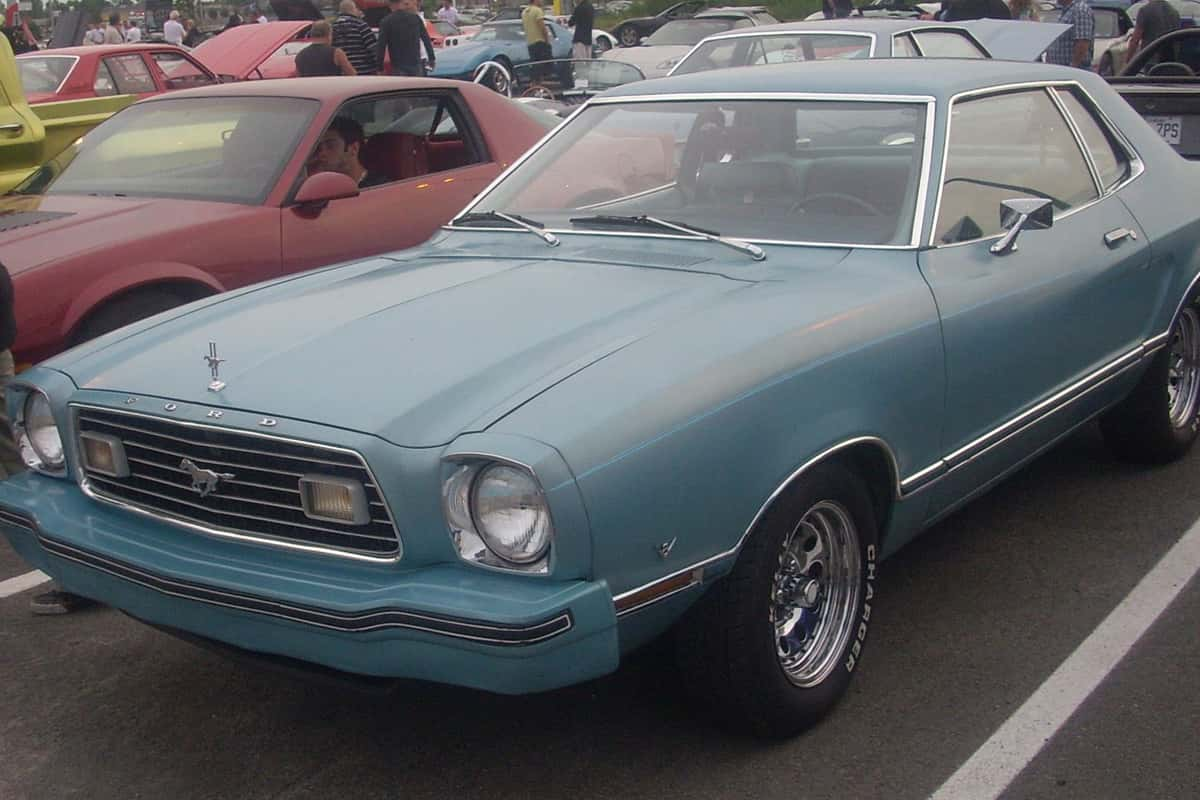
The Mustang II
The Lincoln Blackwood
Remember when Lincoln tried their hand at making a pickup truck? If you do, then you likely remember the Lincoln Blackwood, which was released in 2002. It was Lincoln’s crossover project with Ford and the idea was to produce a luxury pick up truck. However, consumers found the attempt so strange that they rejected it completely, and Lincoln and Ford decided to pull the plug within months. In reality, however, nothing was wrong with the Blackwood. It was just that all of the things Lincoln tried, from the luxury trimmed interior to rear-wheel drive, seemed like they didn’t belong in a truck.
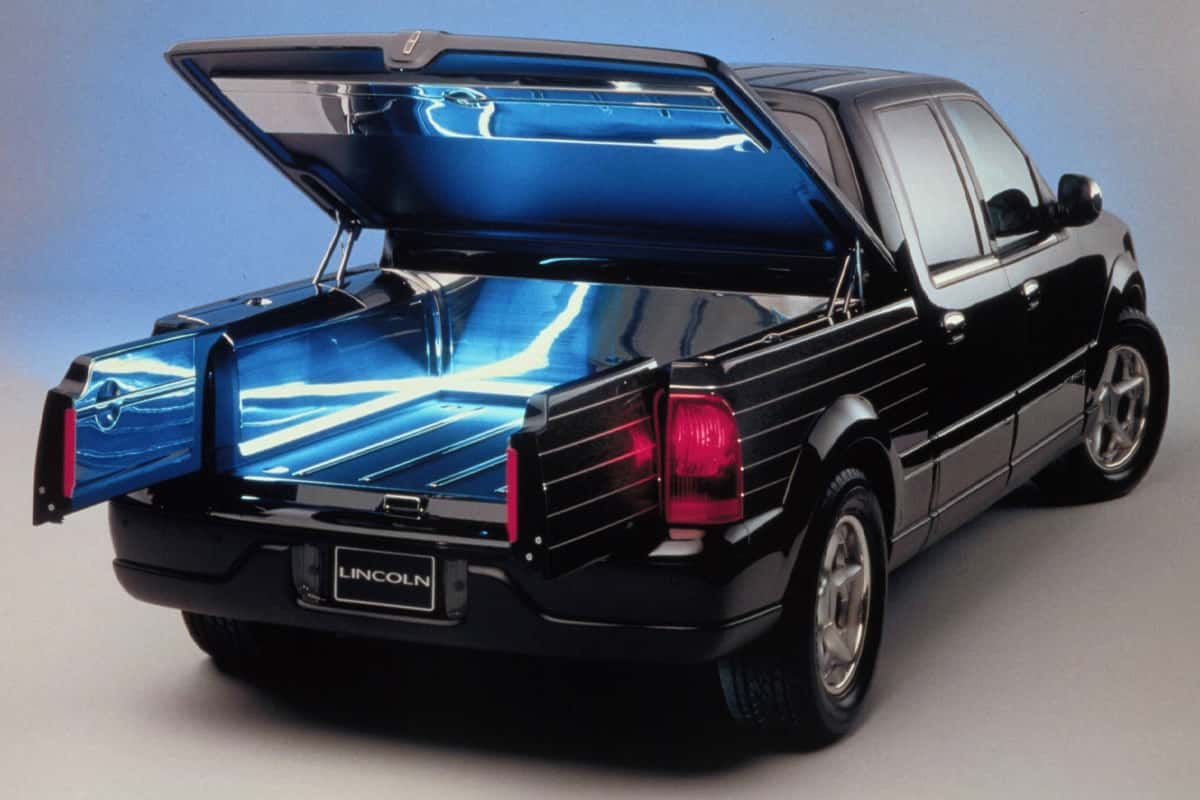
The Lincoln Blackwood
The 1955-57 Chevy Bel Air
This opinion is controversial; the popular Chevy Bel Air is among the worst cars that have ever been made. However, we’re not talking about all of the Bel Air models made – just 1955-57. Chevy probably wishes the three years’ worth of cars didn’t exist! The problem with the particular Bel Air model is that there’s nothing original about it. Chevrolet practically mass-produced the most generic car design of the 1950s. Maybe it was the Chevy logo on the car which made people think more highly of the Bel Air than they should have? Nevertheless, the car itself drove fine.

The 1955-57 Chevy Bel Air
The Lamborghini LM002
Lamborghini’s first mistake in designing and releasing the LM002 was thinking their consumer base wanted to take their car off-roading. Before being released to the public, Lamborghini marketed the LM002 to the American military with its “Cheetah” prototype. We don’t think anyone buys a Lamborghini to go play in the mud, though. Lamborghini stuck by their beliefs, producing 382 of these off-road super luxury vehicles between 1986 and 1993. It became known as the Lamborghini truck.
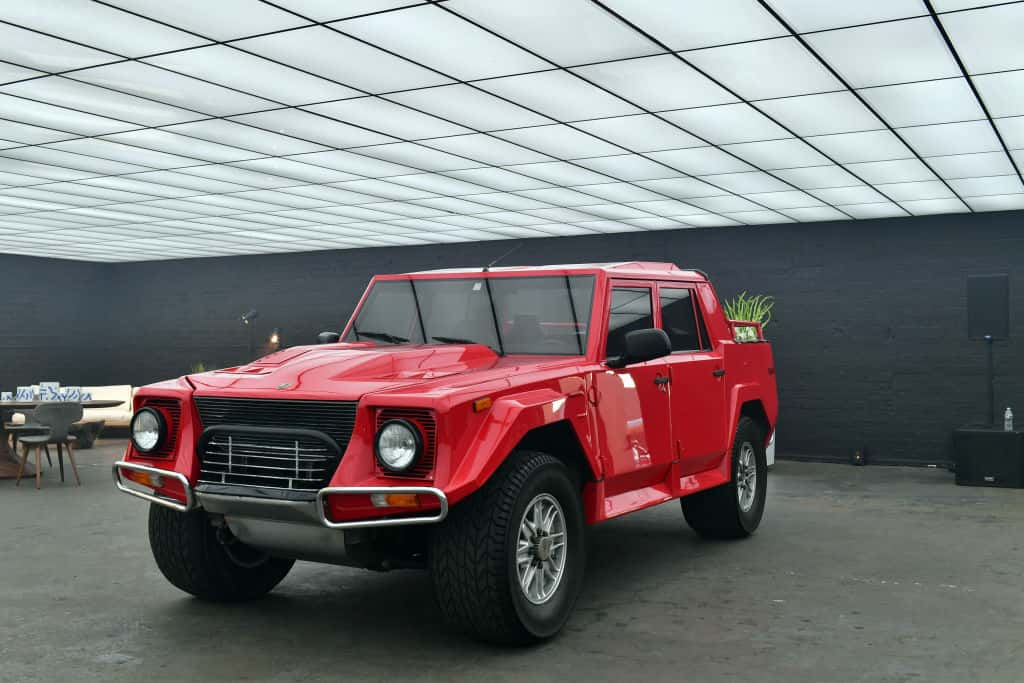
The Lamborghini LM002
The 1975 AMC Pacer
The American Motor Company’s poor fortunes were not really reversed by the release of the 1975 AMC Pacer. In the ’70s, the compact car craze was at its height, and the Pacer led the pack when it came to fuel economy and size. However, getting behind the wheel of the Pacer turned out to be quite dangerous. Critics wasted no time in pointing out the poor performance of the car and its difficult handling. What this means is that race car drivers might have had fun driving the car, but not the consumers who simply wanted to get to work and come home safely.
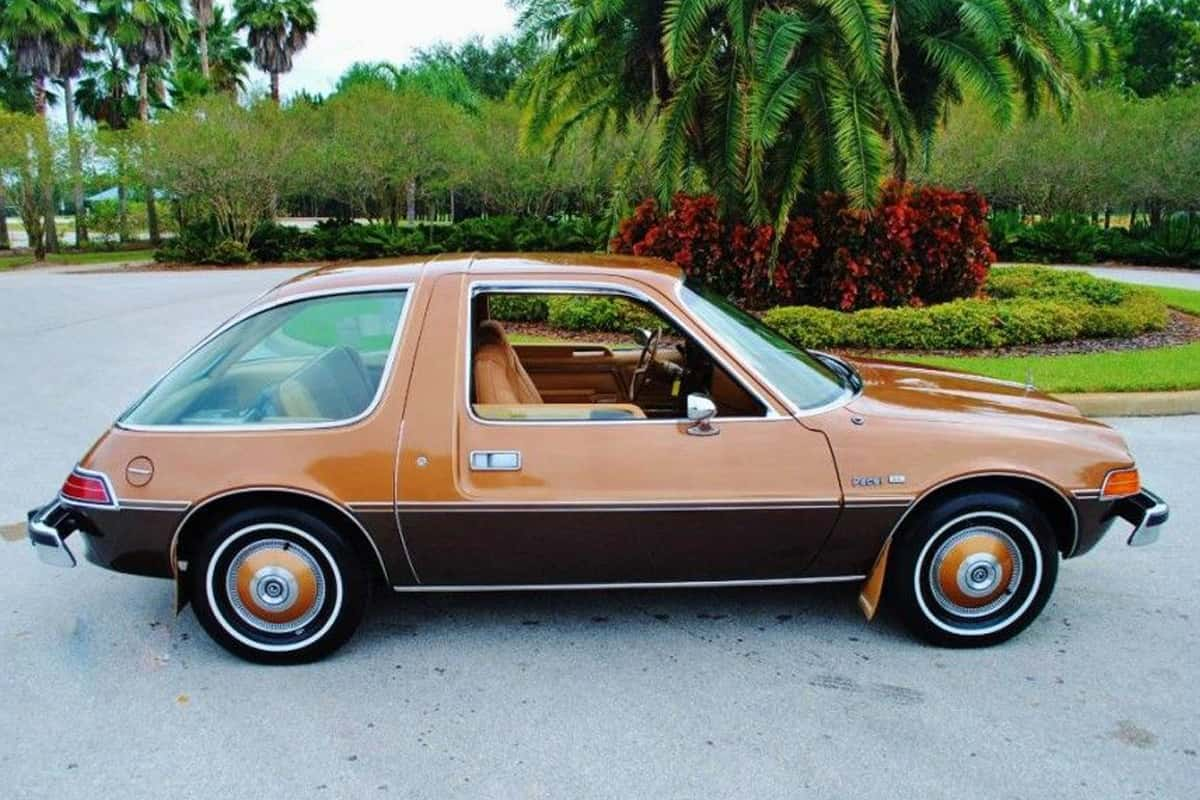
The 1975 AMC Pacer
The Maserati Biturbo
Back in the early ’80s, the new owners of Maserati wanted to release a sports car that is “more affordable” under the brand name. This resulted in the creation of the Biturbo, a car that many people blame for the departure of Maserati from the U.S. market in 1991. Surprisingly, Biturbos were continued to be made overseas until 1997. Then, in 2002, Maserati finally came back to the United States. The company returned to prominence with the help of the Maserati Spyder, which was priced at $89,000 and had more than 800 orders placed (quite high for a luxury model) even before it was shipped.
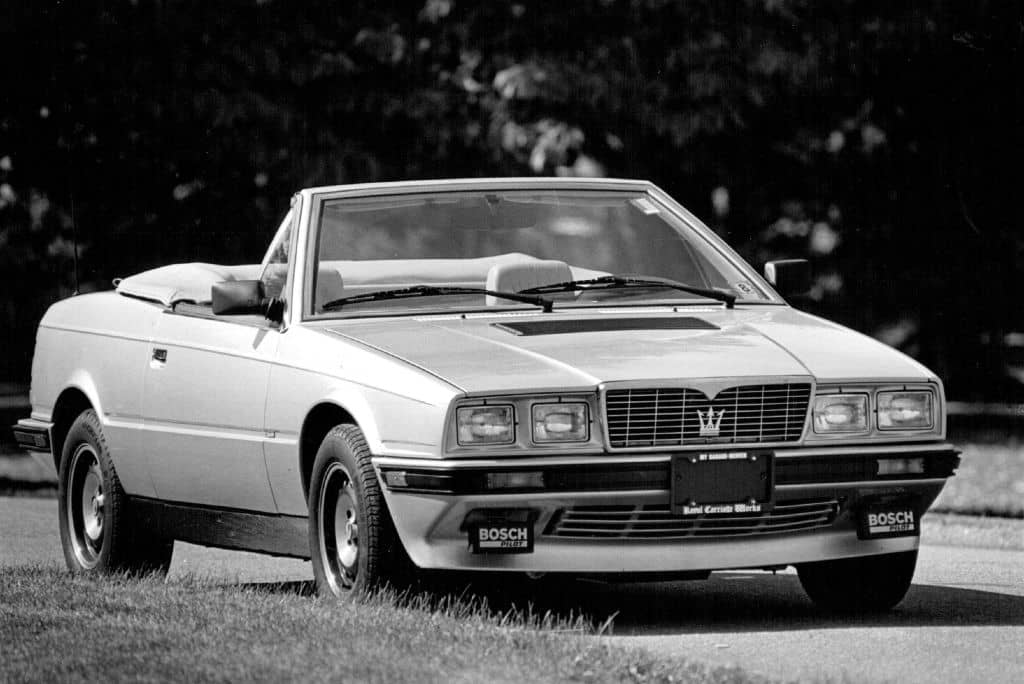
The Maserati Biturbo
The Cadillac Fleetwood
We’re referring to the Cadillac Fleetwood which was manufactured between 1976 and 1996 but never really gained a more secure footing in the market. The car lasted for 20 years, but it had quite a bad reputation for jerking, stalling, and making awkward noises. Since 1935, Cadillac had used the name “Fleetwood” as a pre-fix and it described cars that had longer wheelbases than the Series 62 and DeVille models. In the final year of production of the Fleetwood (1996), Cadillac produced only 15,109 units, not even half of the production number in 1993.
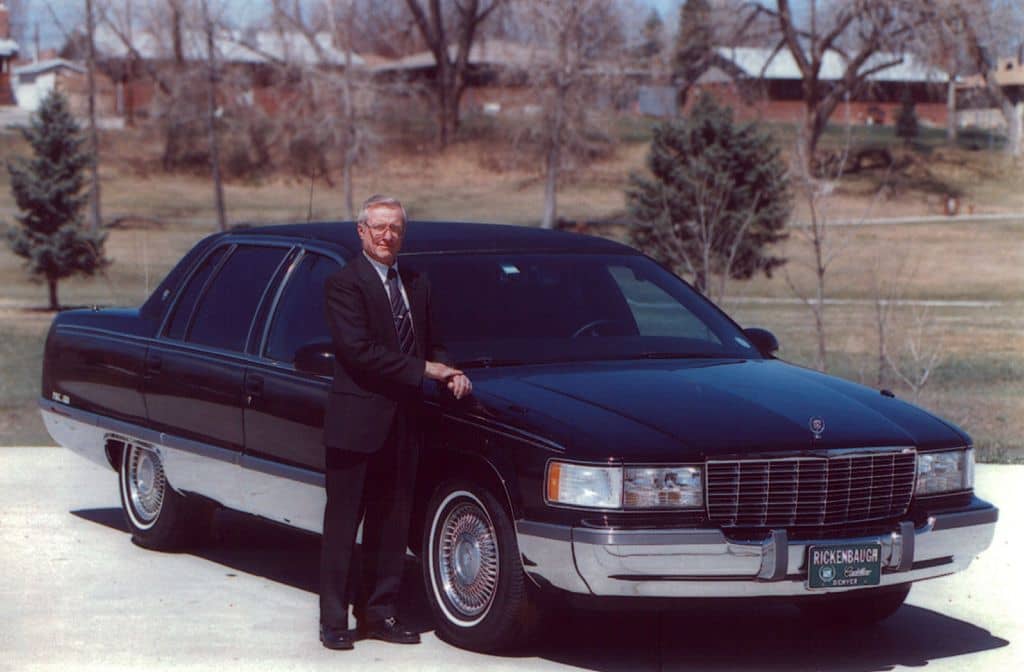
The Cadillac Fleetwood
The Ferrari Mondial 8
In 1980, Ferrari started producing the Mondial 8 and continued to do so for two years. In that time, a rumor went around that the system of every single model failed – that’s how bad the car’s reputation was. In 1983, it was replaced by the Mondial QV. When the Mondial 8 was released, it didn’t have the worst reviews initially and was actually called “respectable” and “impressive.” The truth only came out when the car had been on the road for roughly a year. According to Time Magazine, the Mondial 8 ranks eighth on the list of the worst cars of all-time.
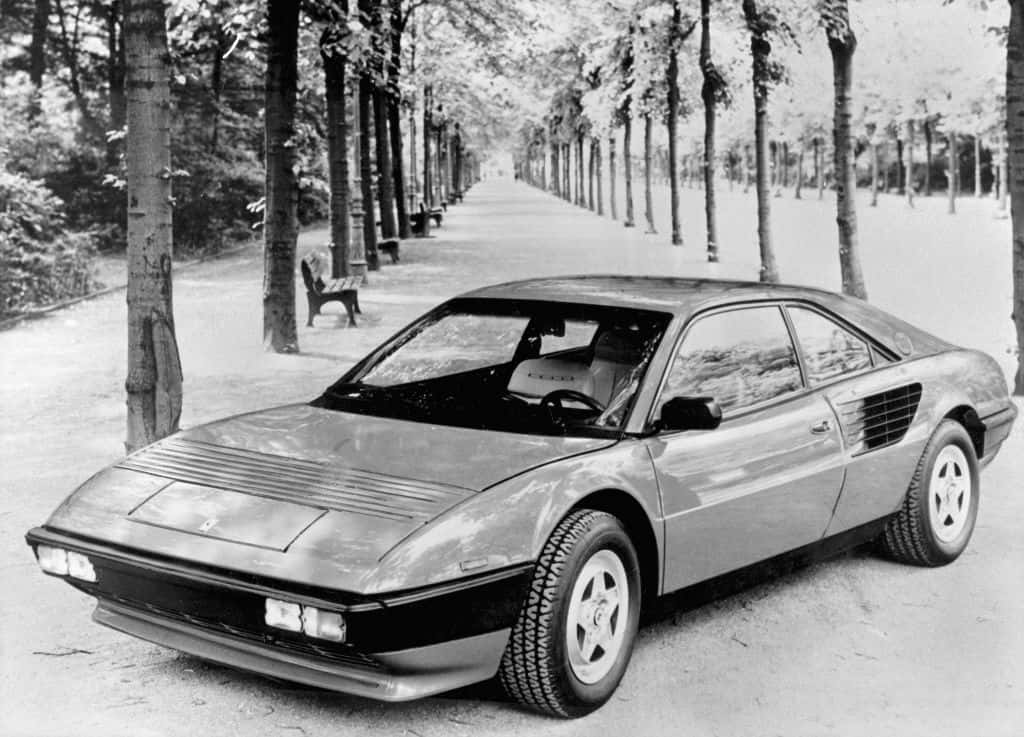
The Ferrari Mondial 8
The Chevrolet Chevette
Under the hood, the Chevrolet Chevette didn’t really have anything wrong with it. At the time when the sub-compact car was commissioned by Chevy to be made, Americans were actually energy conscious and preferred smaller and fuel-efficient cars. However, by the time the Chevette finally came out, big trucks were becoming more popular again. Chevrolet’s initial prediction was that they would be able to sell 275,000 Chevettes, including import sales of 150,000 units. By 1976, the predictions were halved and in the late ’70s, the Chevette became America’s best-selling small car. Sadly, that wasn’t enough to save the car.
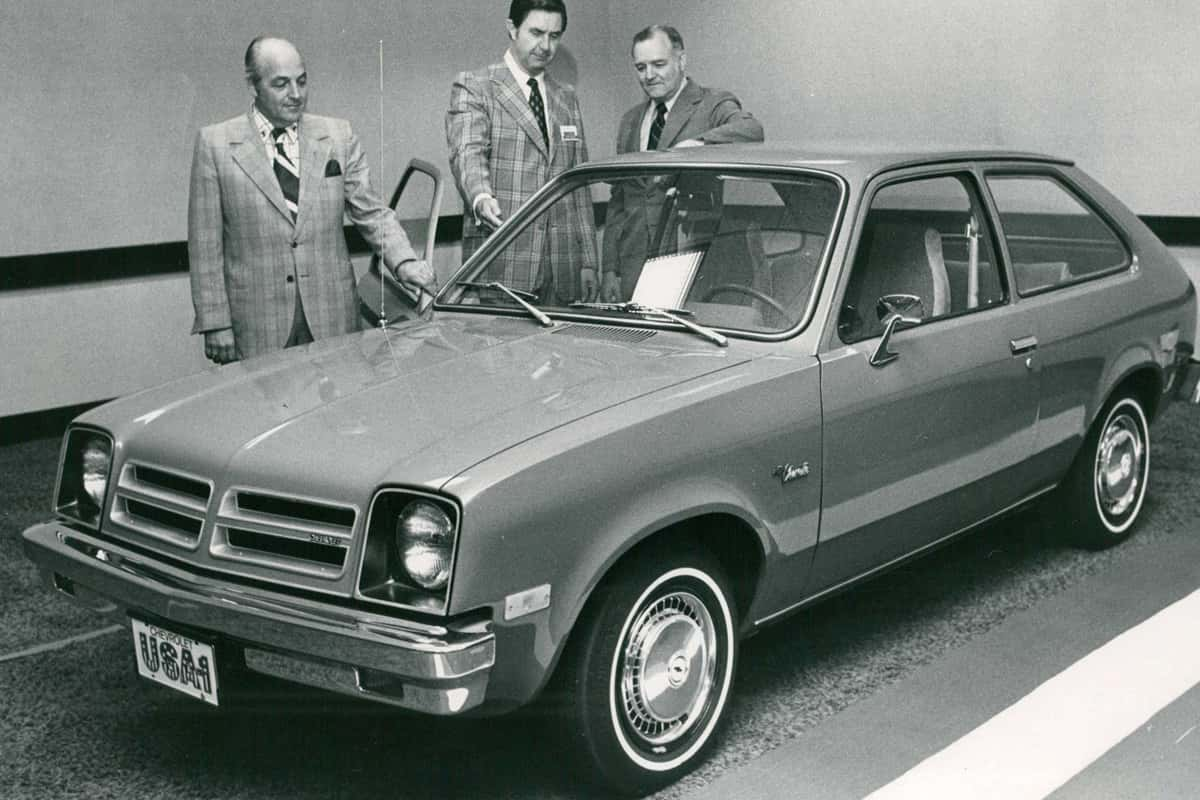
The Chevrolet Chevette
The Trabant
When the Berlin Wall got erected, Germany became divided into East Germany and West Germany. In the west, Volkswagon existed and was flying high thanks to the Beetle’s success. East Germany refused to purchase cars from the west, so they made the Trabant. However, there was a problem with the Trabant – it was missing too many features to make it worth driving. It had no seat belts, its hood had to be opened in order to refill the gas tank, and it had no tachometer or fuel gauge inside. Yikes!
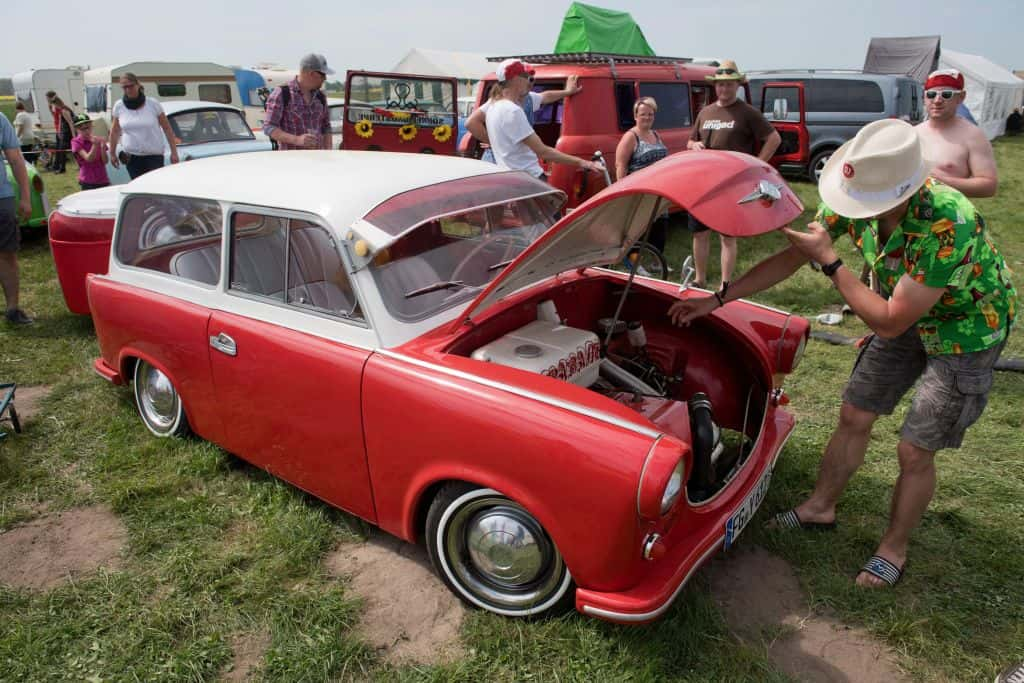
The Trabant
The Triumph TR7
This car was just a Triumph by name! From 1975 to 1981, roads in America and the United Kingdom were haunted by the Triumph TR7. It was supposed to be released in 1974, but there were production delays that pushed back the release to 1975 in the United States and 1976 in the United Kingdom – a sign of trouble. Maintenance problems littered early models and turned the sports car into a more expensive vehicle to own. When the 1980’s redesign was released, a lot of the said issues were gone. Car enthusiasts also started to come around, but the general public didn’t really care by that point.
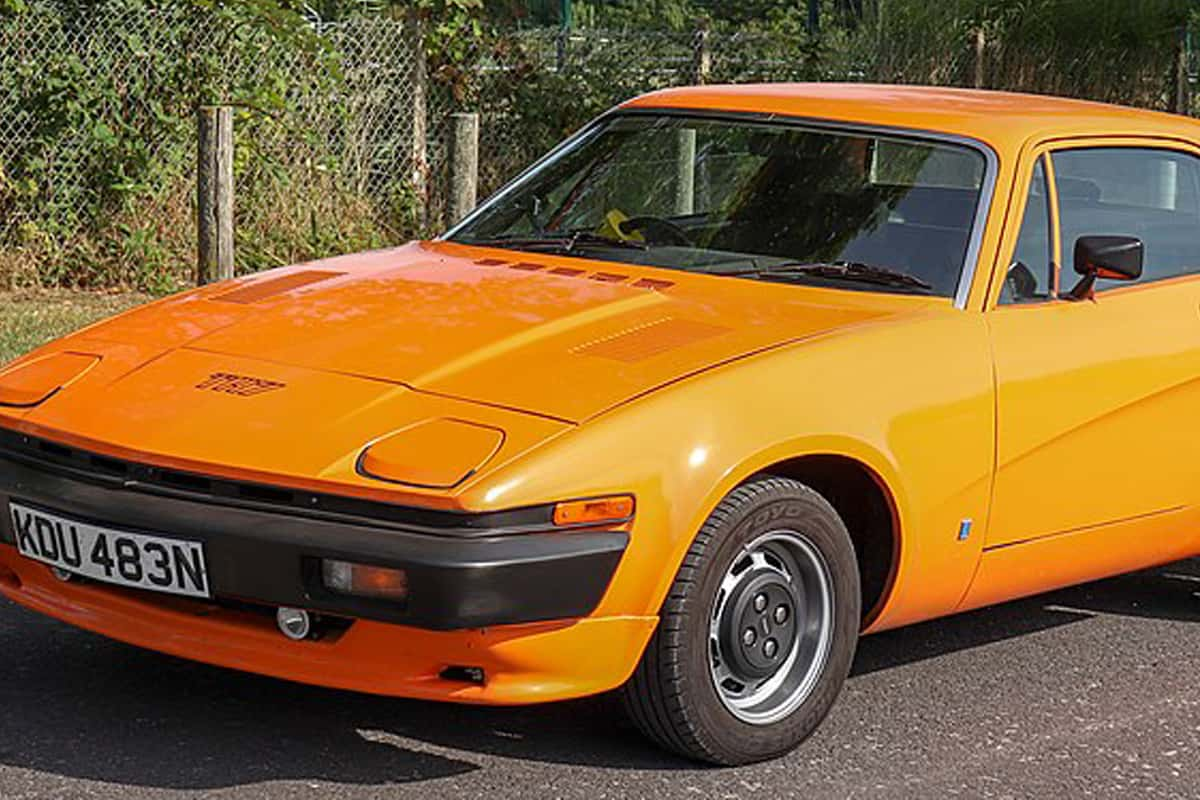
The Triumph TR7
The Ford Pinto
Be glad if you aren’t familiar with the Ford Pinto. Widely considered one of the worst cars in history, if not the worst, the Pinto was truly a nightmare for Ford. The Pinto was marketed as the compact “car of the future,” offering good fuel economy and decent performance, but it had a serious problem – its tendency to explode. Unfortunately, that isn’t an over-exaggeration. After its release, the Pinto became notorious for exploding when another vehicle hit it. Ford, however, refused to fix the problem and preferred to pay the victims, we mean buyers, as well as end the vehicle’s production.
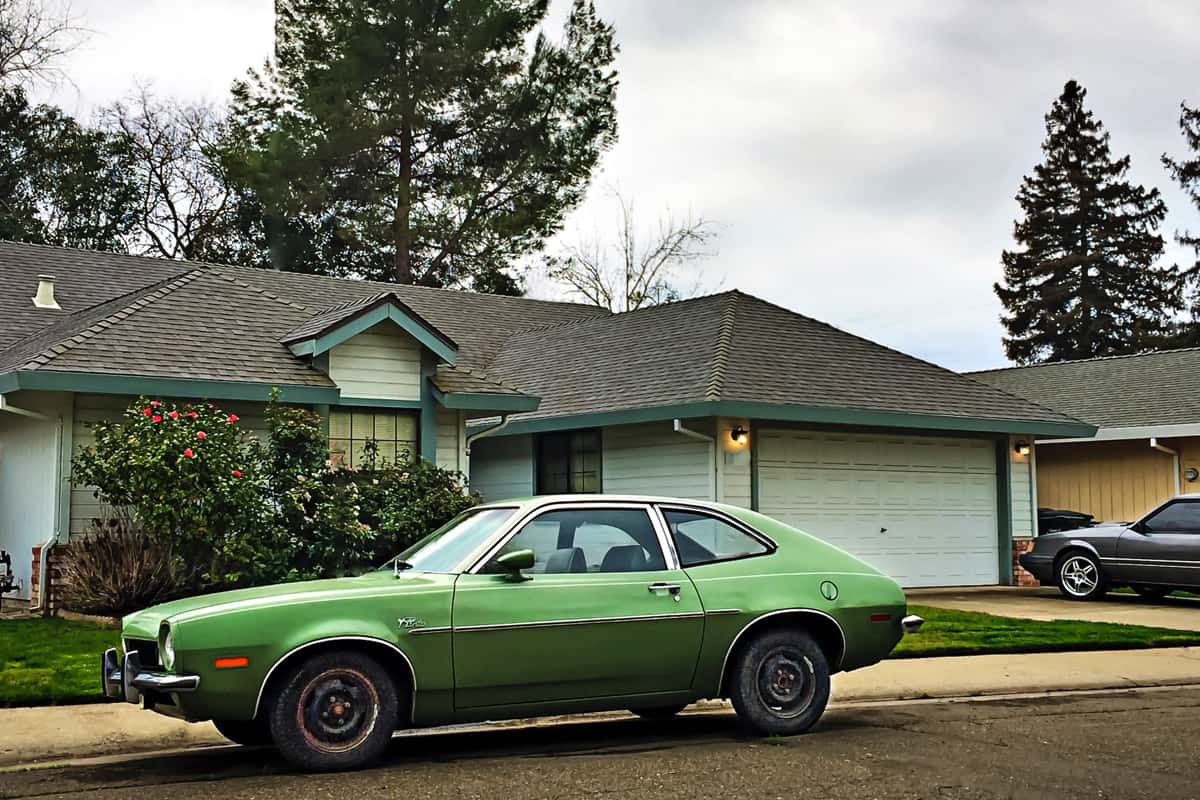
The Ford Pinto
The Morgan Plus 8
It is said that the Plus 8 saved Morgan, the British car manufacturer. However, that doesn’t mean the Morgan Plus 8 had no quirks. In the United States, the car was specifically made to run on propane in order to pass emissions tests during that time. This means there were tanks of liquid propane hanging perilously behind these bouncy cars’ rear bumpers. If you are more concerned about the results of getting the car to run on propane rather than traditional fuel, let’s just say that 60 miles per hour felt like 30 miles per hour in this roadster.
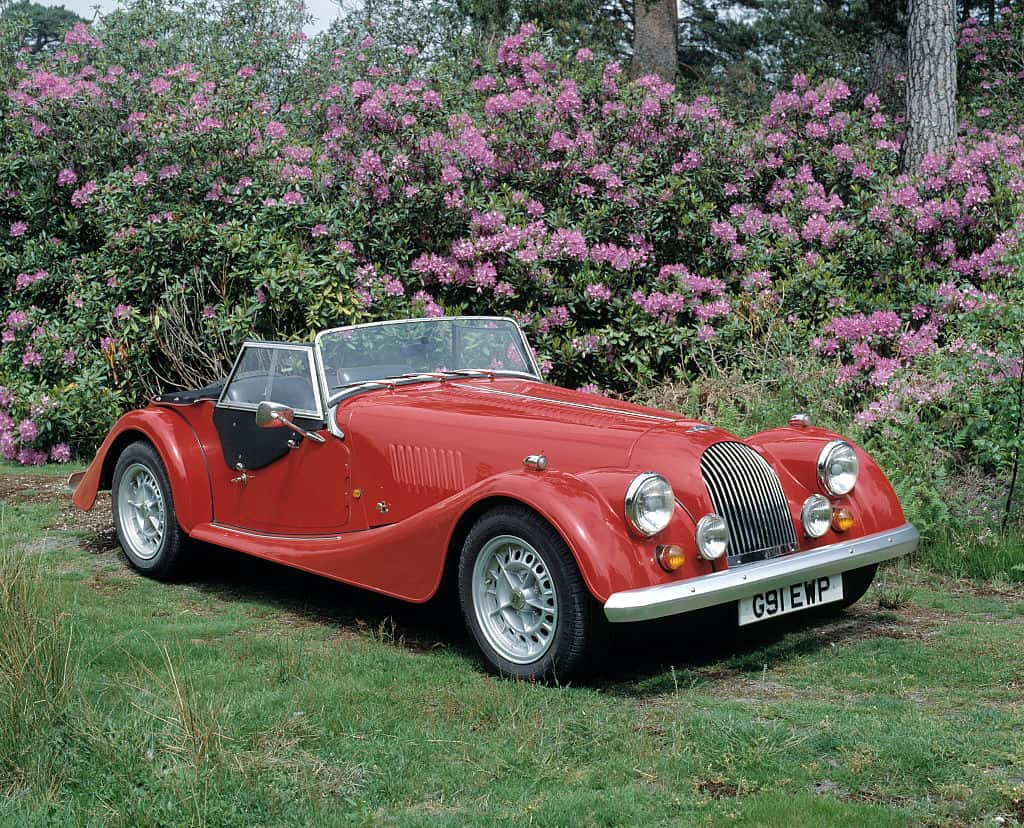
1990 Morgan Plus 8
The Smart Fortwo
We all know parking is limited in big cities, so Smart Cars are very popular. Not only can they fit just about anywhere, they also have amazing fuel efficiency. However, that doesn’t mean these cars are comfortable and a good case in point is the Smart Fortwo. Its engine is located in the back and the cooling system is in front, so cooking your passengers on a hot summer day is a big possibility. The cooling and heating problem was too much for the casual consumer, so sales plummeted and the brand almost got bankrupt.
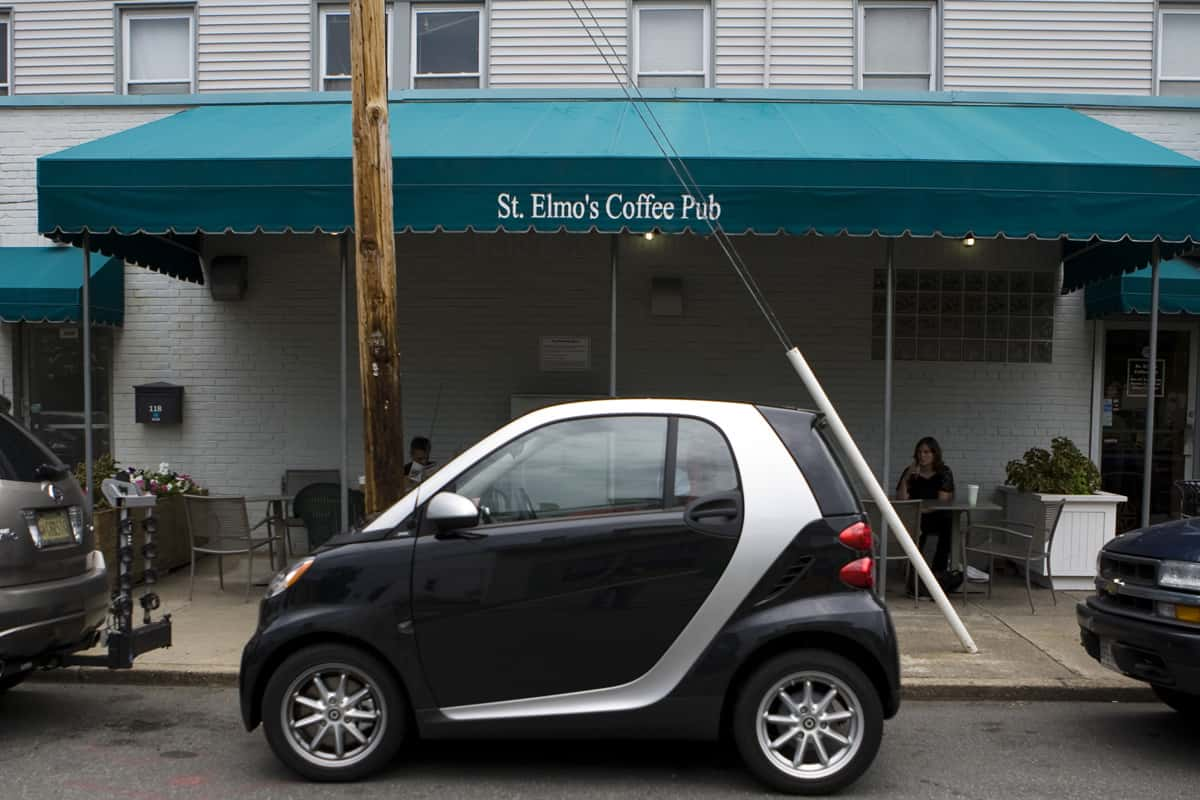
The Smart Fortwo
The Peel Trident
In 1964, the Peel Trident was launched at the British Motorcycle Show. The intention was to use it as an “occasional two-seater.” In 1966, the production of the strange little car was stopped by the Peel Engineering Company. While the Trident is gone, the legend lives on. In an episode of the Discovery Channel show Monster Garage, host Jesse James was able to find a Trident and attempted to fit it with a new frame and motorcycle engine. The experiment was a failure and James destroyed the vehicle for his TV audience to see.
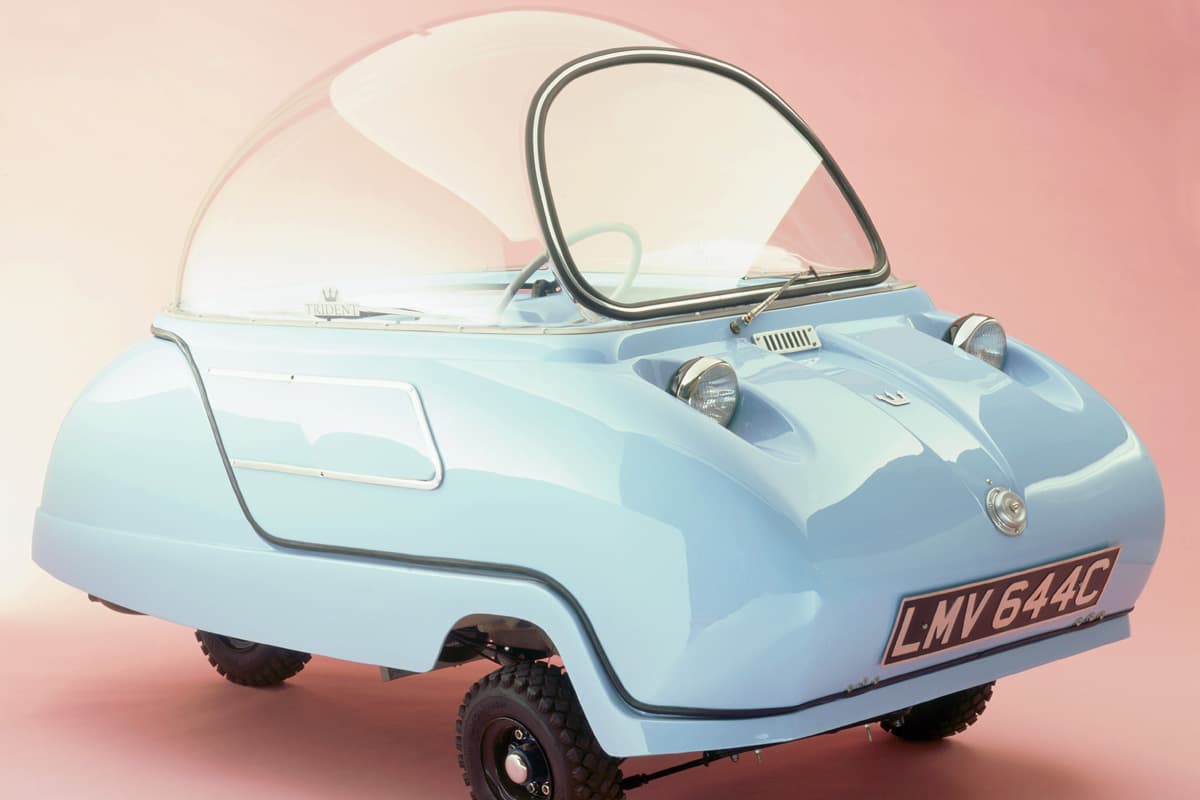
The Peel Trident
The PT Cruiser
There comes a time when everything which was old is new again. The PT Cruiser is a perfect example of this. Chrysler released this retro-style car with the intention of using nostalgia as a weapon. If the only performance had been taken into account by the car company. The PT Cruiser didn’t succeed in attracting the attention of consumers, who preferred better overall performance and more modern-looking cars. Around the same time that this car was released, Ford also attempted to relaunch the Thunderbird but also got a lukewarm reception.
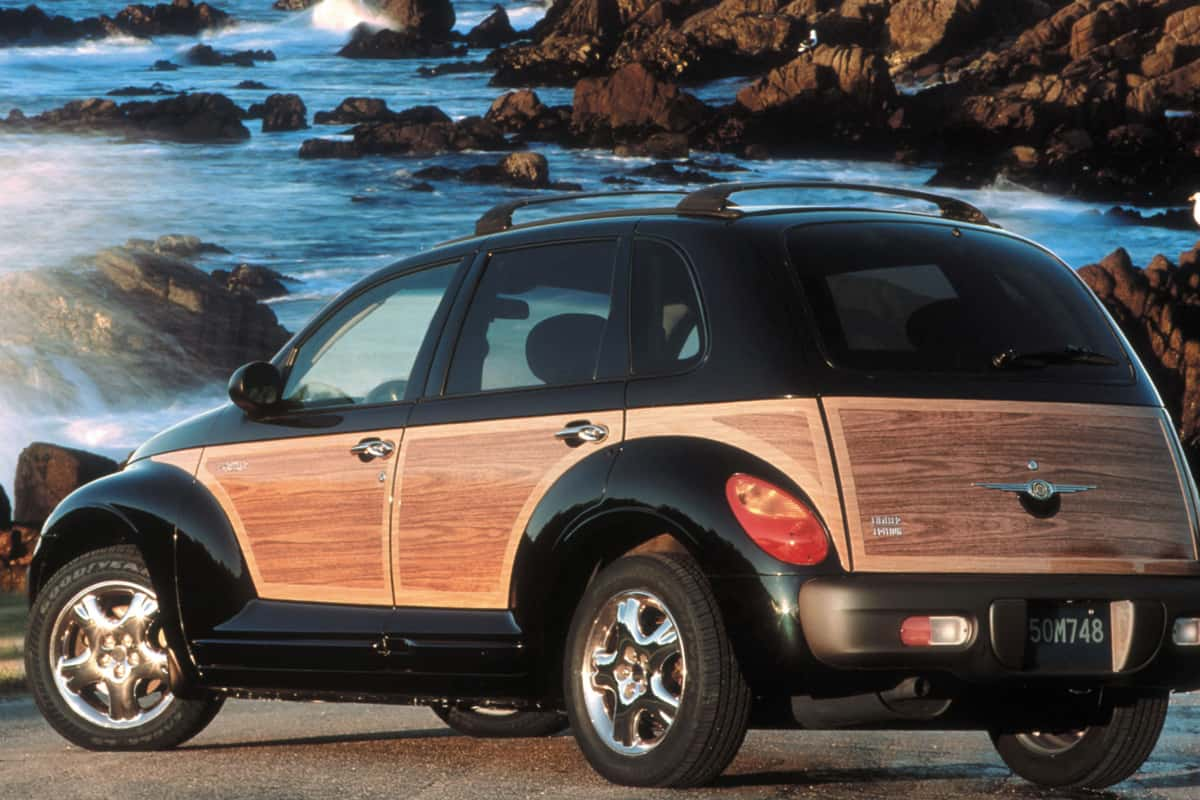
The PT Cruiser
The 1998 Fiat Multipla
The Fiat Multipla was designed as a minivan and it left consumers confused when it was released back in 1998. The new model was meant to be heir of the Multipla name but it became the downfall instead. The biggest problem of the 1998 Multipla was that it didn’t make any sense. It looked like the company took different car designs, combined them together, and then crossed their fingers. In its inaugural year, there were only 426 units sold.
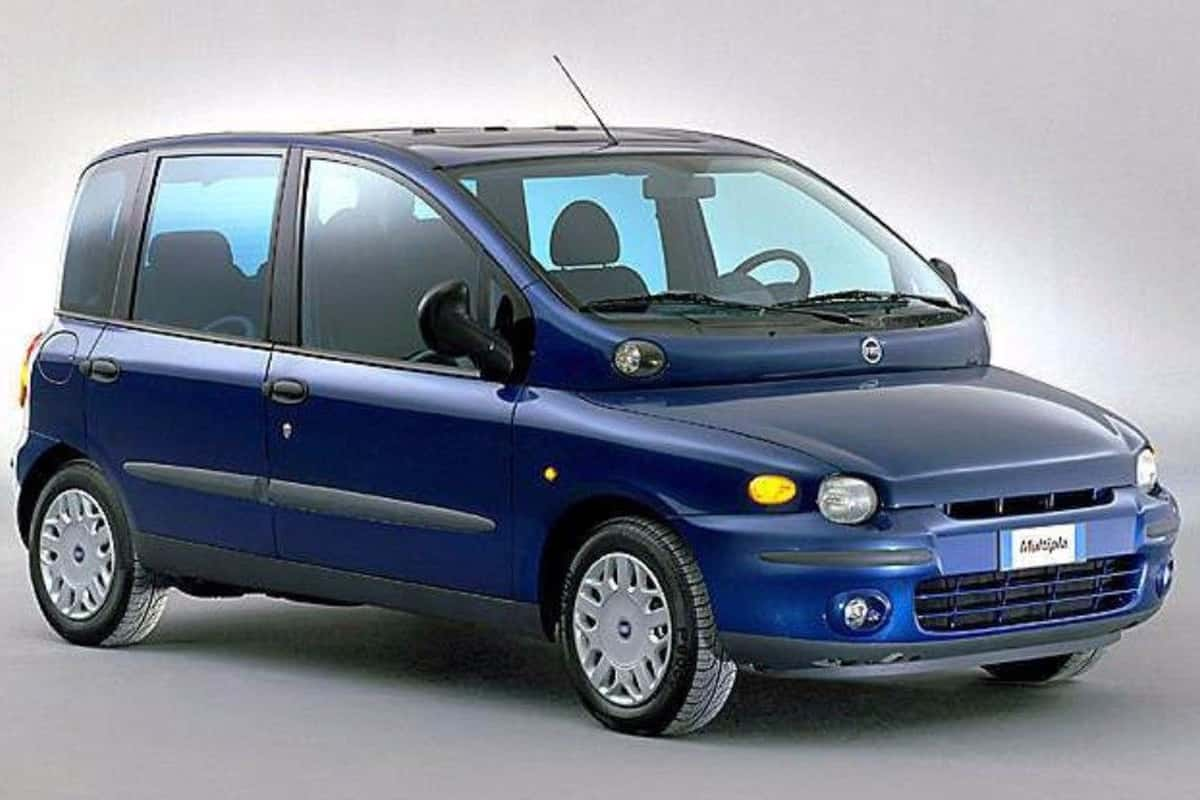
The 1998 Fiat Multipla
The 1947 Davis D-2 Divan
It should come as no surprise that the Davis D-2 Diva was built by a car company in Hollywood. The Southern California manufacturer Davis Motor Company designed the strange, and maybe futuristic looking(?), car. Thankfully for everybody involved, the vehicle never made it to the market. The owner of the automaker was known for shady business practices. He also overestimated the supply that he needed of the car. Investors, in turn, got more and more upset while they waited for their return. They eventually abandoned ship, which sunk the D-2 Divan.
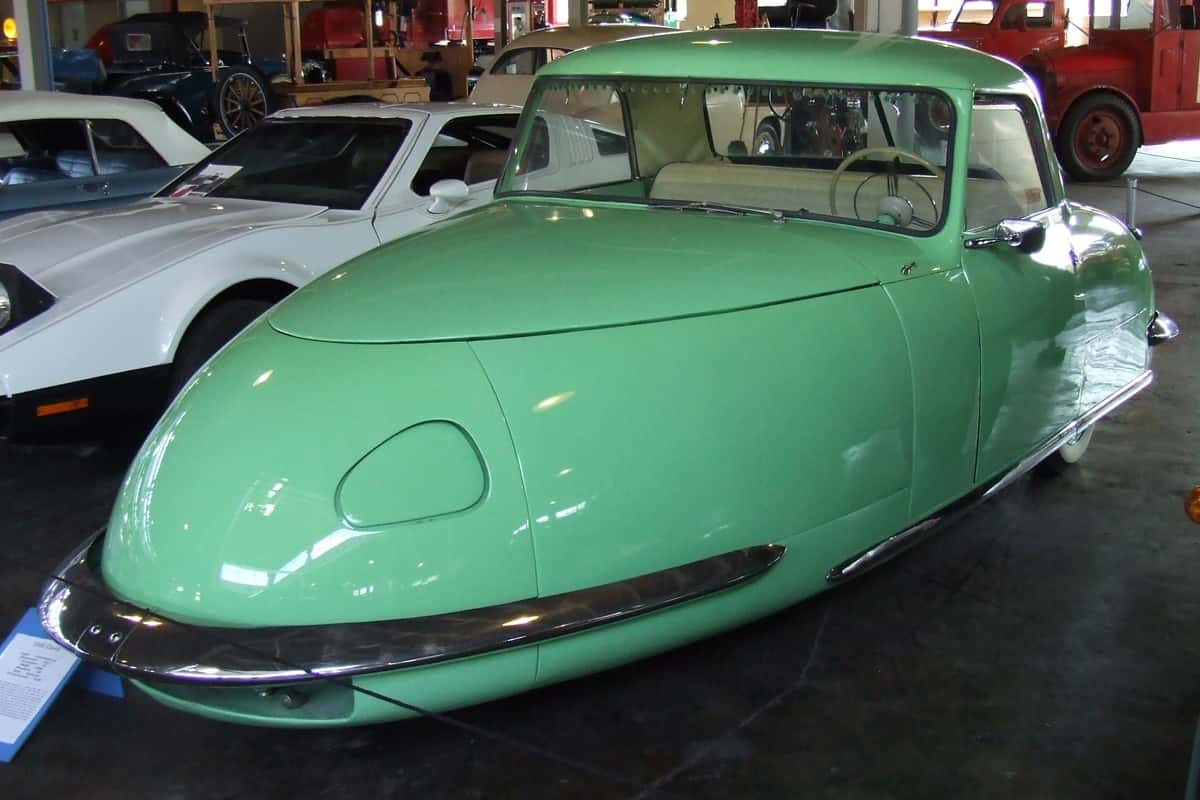
The 1947 Davis D-2 Divan
The Zundapp Janus
This car is perhaps the most absurd on this list. Despite that, the 1958 Zundapp Janus has a special spot in our confused hearts. When the doors of the car are open, it’s really difficult to tell the front end from the back end. A motorcycle company attempting to make it in the car industry designed the Zundapp Janus. The company wanted the Janus to stand out, so they the put the doors in the front and back. If you think that is bad, you should know that the car’s top speed was 50 miles per hour. If you like driving in the slow lane, then this vehicle is great.
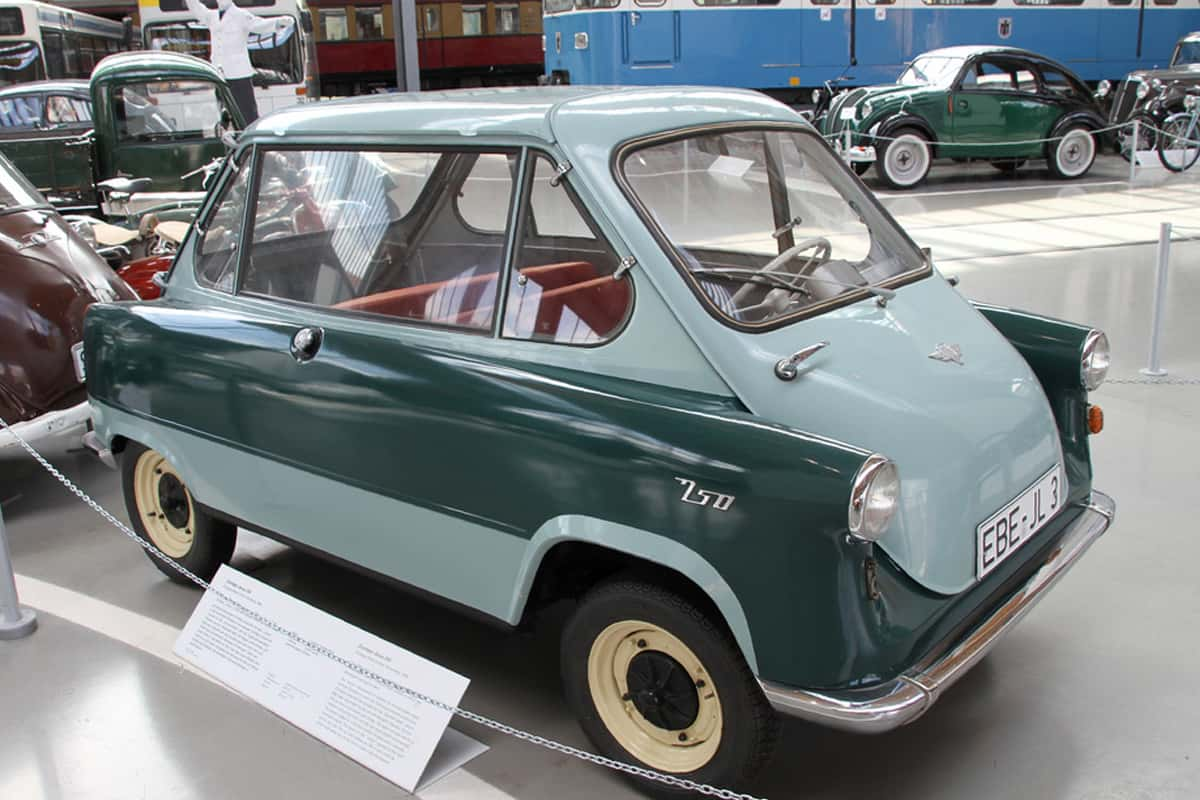
The Zundapp Janus
The Ford Edsel
Have you heard of the saying “under promise and over deliver” in marketing? Unfortunately, the exact opposite happened with the Ford Edsel when the company called the sedan the “car of the future.” Many consumers found the car underwhelming and overpriced. Whoops. These days, the name “Edsel” is associated with “commercial failure,” especially since the car was named after Edsel B. Ford, company founder Henry Ford’s son. Edsels were manufactured between 1958 and 1960.
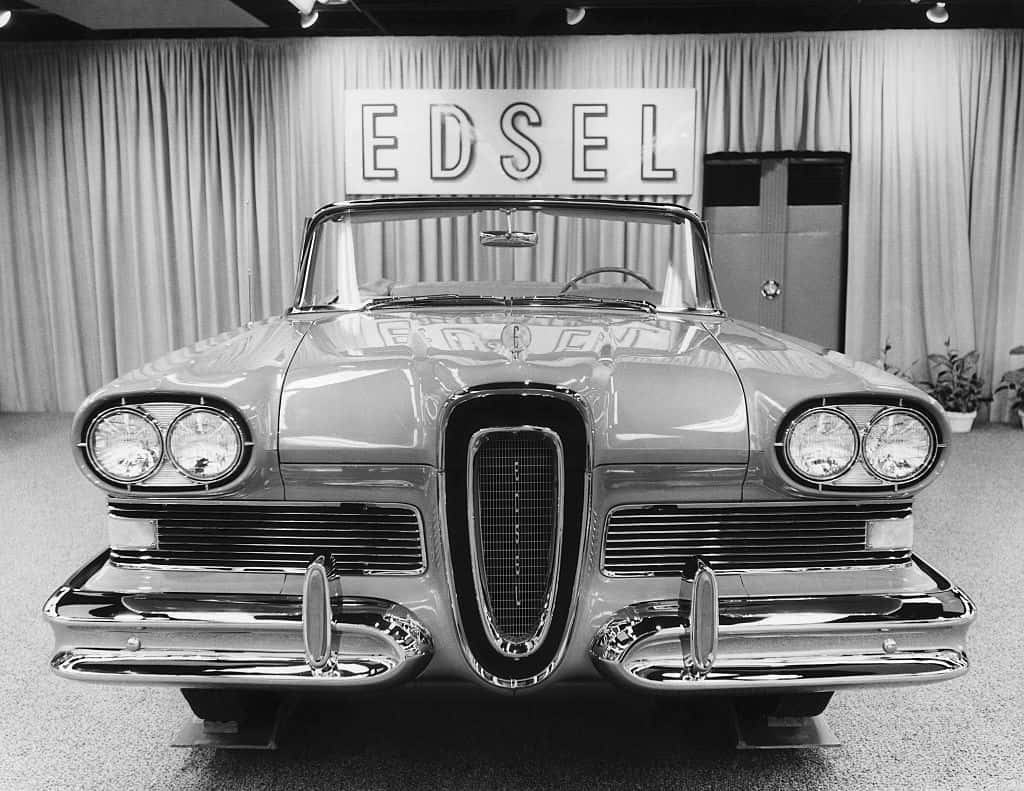
The Ford Edsel
The Suzuki Samurai
The Suzuki Samurai may have die-hard fans, but Consumer Reports totally tore the car apart in 1988, when the publication described it as “dangerously unsafe” for roads. Because of its findings, Consumer Reports even demanded that Suzuki recall these vehicles. It was later uncovered that the magazine had made slight changes to its testing method in order to increase the possibility of rollovers, but the brand never really recovered from the very public condemnation. Suzuki withdrew from the US auto market in 2012.
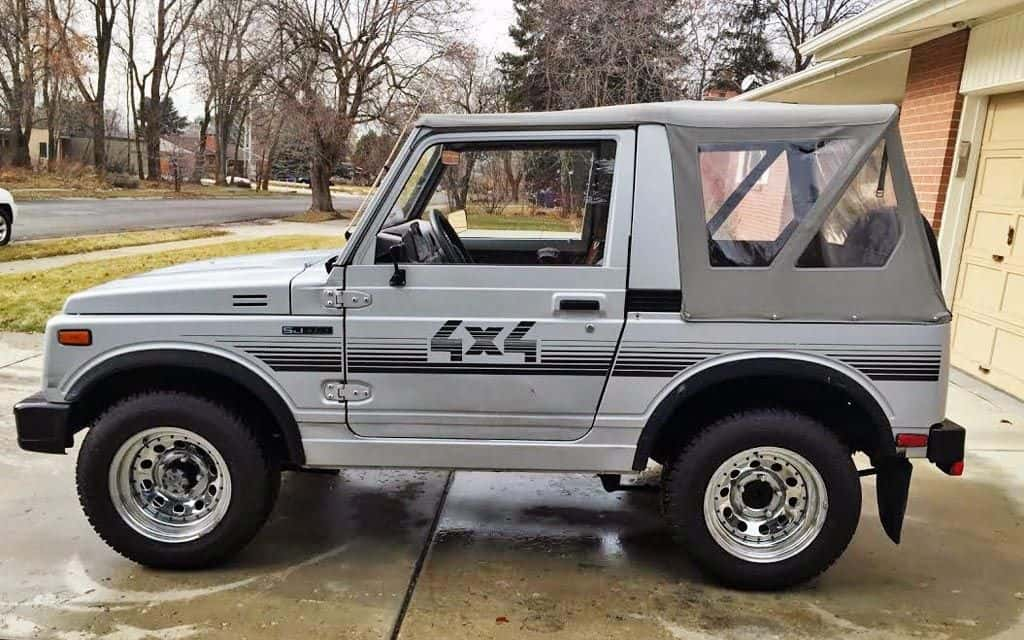
The Suzuki Samurai
The Saturn ION
Between 2003 and 2007, Saturn sold the ION under the GM Delta platform. The car had a problematic automatic transmission due to a “shift flare”, a disorienting shift pattern which ended up scaring a number of drivers. On a downward incline, the car would lurch when the driver stepped off the gas after the transmission downshifted. In addition, the ION had transmission failures, like the engine not shutting off and keys getting stuck in the ignition. No big deal, right? In 2007, GM stopped producing the ION.
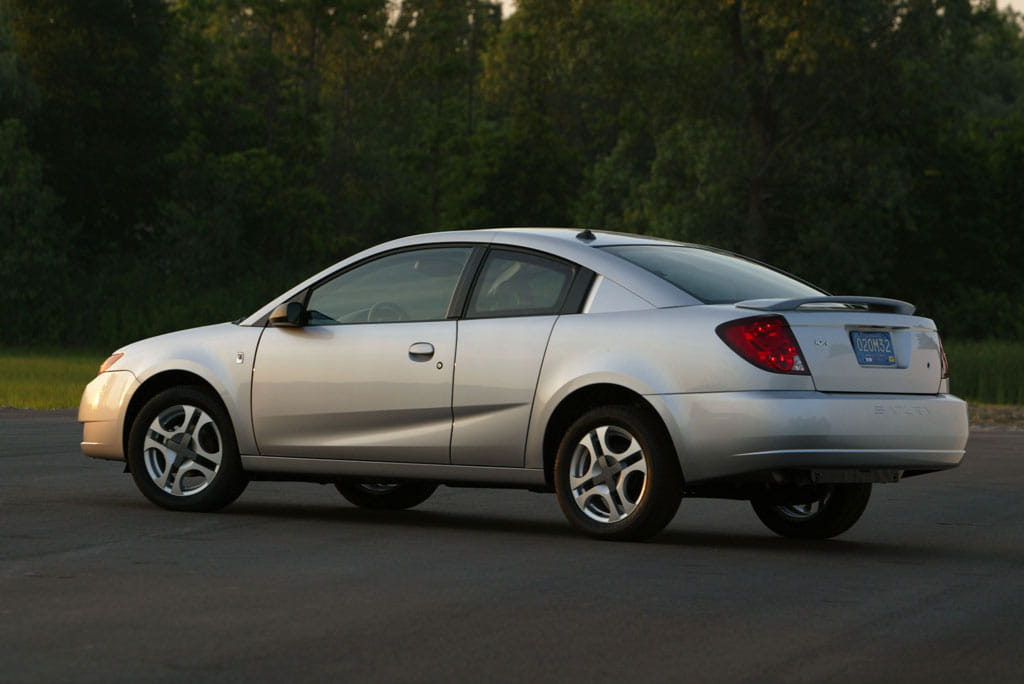
The Saturn ION
The Chevy Vega
When the Chevy Vega was first introduced, it received a lot of attention and praise. In 1971, it was even named Car of the Year by Motor Trend! However, that good reputation soon unraveled as the Vega had a lot of problems. From being unreliable, to a tendency to rust, to engine and engineering problems, the car was simply a disaster. GM did put the Vega through a series of recalls and design upgrades, but the company’s reputation had already been too hurt by it. The 1977 model was the last that was produced.
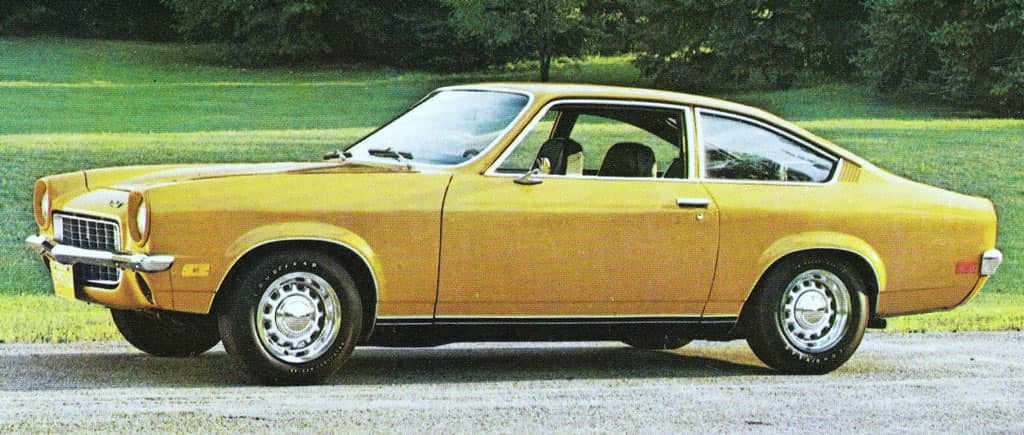
The Chevy Vega
The Chevrolet Citation
When the Chevrolet Citation entered the 1980s auto market, it led the pack of compact cars. Initially, it sold well – 800,000+ units in the first year alone. Motor Trend even named it the Car of the Year back in 1980. Chevrolet had high hopes for this car as it was meant to replace the disastrous Nova. However, Consumer Reports dashed that hope when it said the car was really poorly designed and actually dangerous. Sales plummeted right away, and Chevy stopped producing the Citation by 1985.
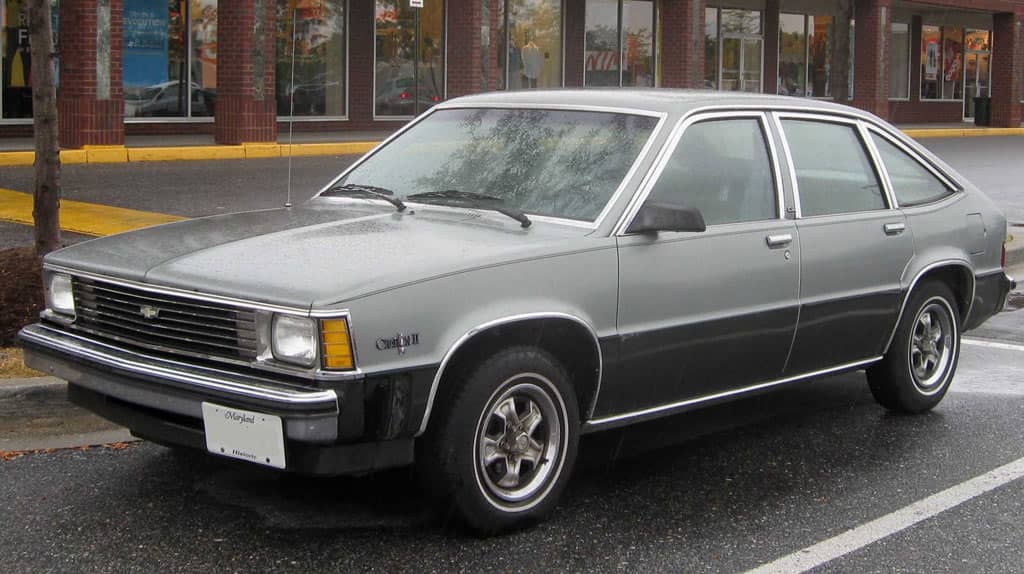
The Chevrolet Citation
The Plymouth Prowler
Like many vehicles released in the ‘90s, the Plymouth Prowler didn’t become a classic. Its designers actually drew inspiration from hot rods for the appearance of the Prowler, but they apparently overlooked a hot rod key feature – horsepower. The 3.5 liter V6 engine of the Prowler packed a measly 250 horsepower. Even though the Prowler got a power boost of 253HP in 1999, a manual transmission wasn’t an option. In 2002, Chrysler stopped manufacturing the vehicles.
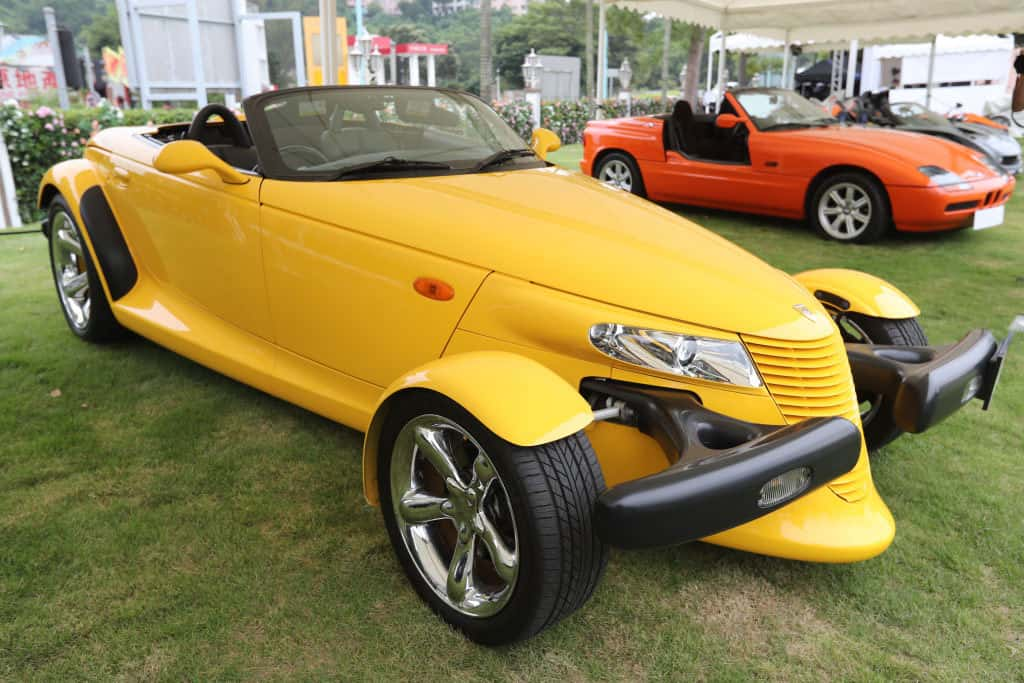
The Plymouth Prowler
The Reliant Robin
England’s Reliant Motor Company produced this compact car. The Reliant Robin actually ranks second among the most popular fiberglass vehicles in England even though looks odd and has the tendency to flip over because of its three-wheel design. In the United States, the Robin never became popular and a lot of American drivers get surprised when they see one for the first time! A Reliant Robin got featured in one episode of Top Gear, where host Jeremy Clarkson flipped the car with all the turns that he made (he later admitted it was a staged move).
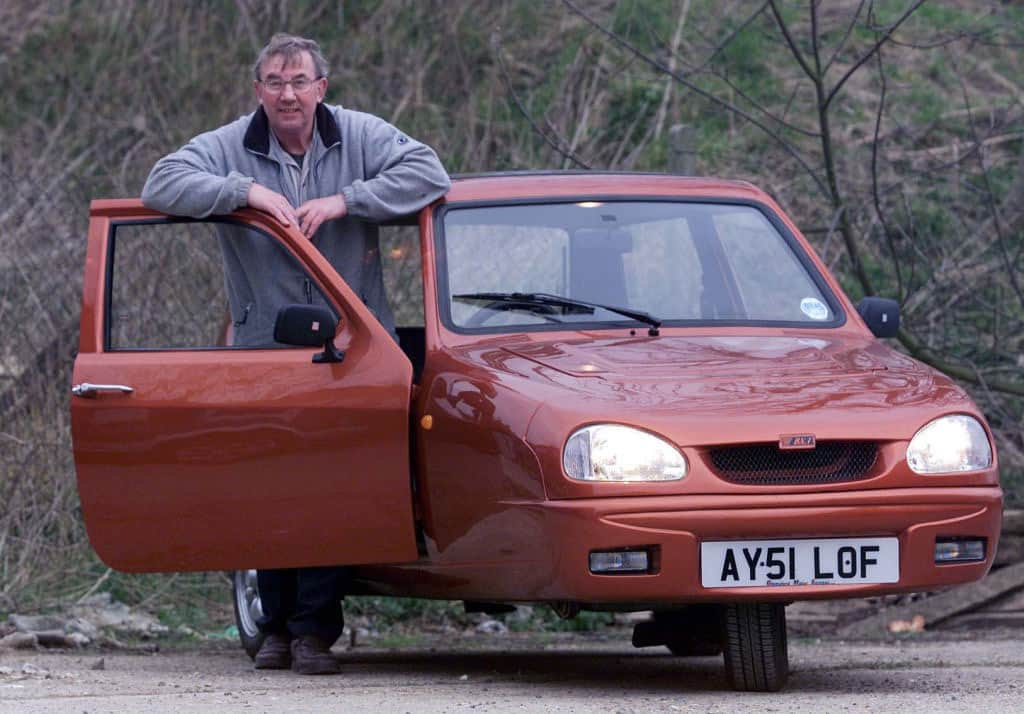
The Reliant Robin
The Dodge Omni
Chrysler was under bankruptcy protection in 1977 but when it released the Omni, the tiny hatchback’s sales almost single-handedly brought the company back. However, that doesn’t mean it was a good car. It received a “Not Acceptable” rating from Consumer Reports, which cited that the Omni was difficult to maneuver. Time magazine also found similar faults, and Chrysler responded with tweaks to the car. Despite all their issues, Omnis were still snatched up like crazy. From 1977 until 1990, Chrysler produced nearly three million units.
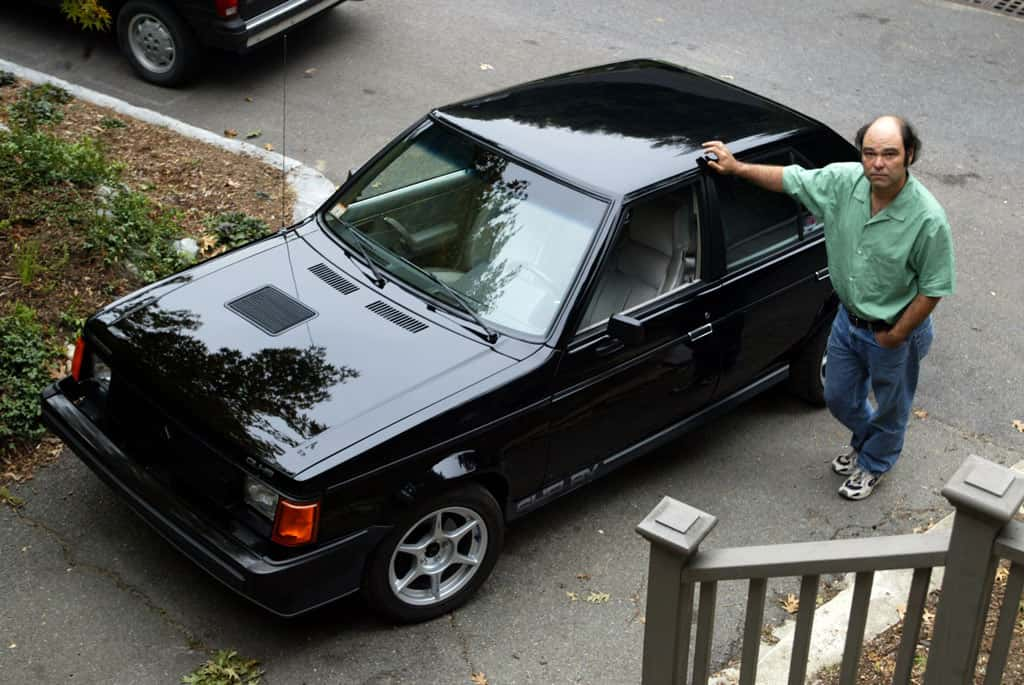
The Dodge Omni
The 1968 AMC Ambassador
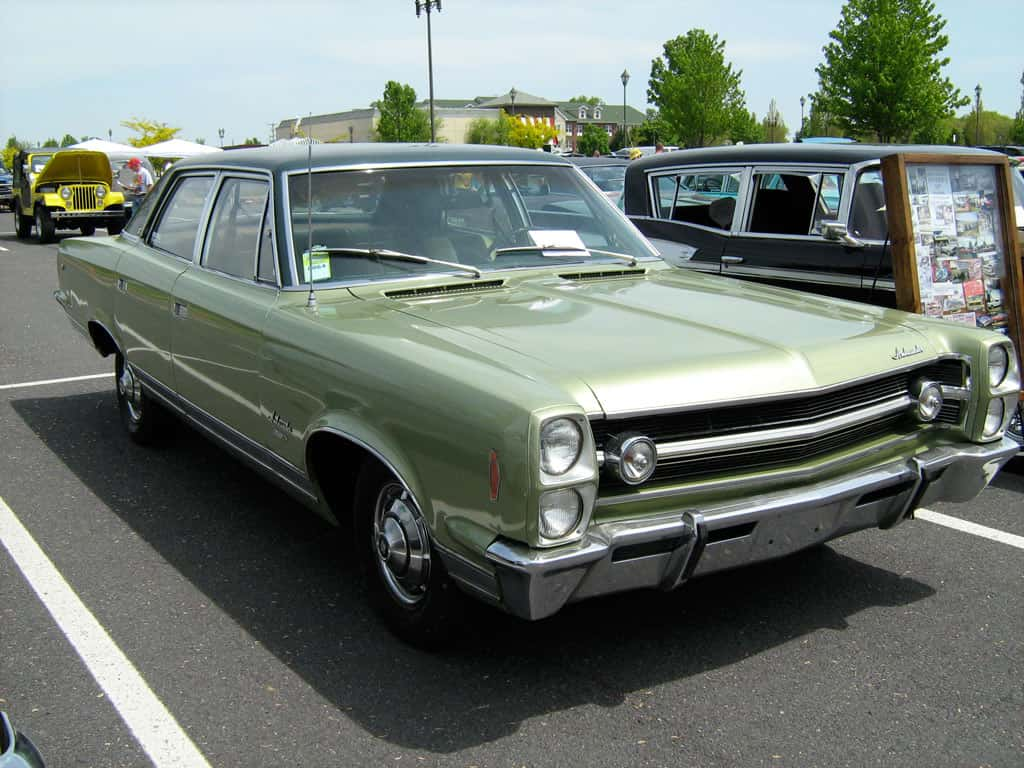
AMC’s 1968 Ambassador was the first American car that offered air conditioning as one of its standard features. The sedan was expected to be a big hit, so the company built lots of them in order to meet the demand upon release. Unfortunately, this model of the Ambassador had poor engineering and was one of AMC’s first cars to receive a rating of “Not Acceptable” from Consumer Reports. This complete failure actually crippled the reputation of AMC as an independent automaker. In 1988, Chrysler bought out the company.
The 1968 AMC Ambassador
The Zagato Elcar
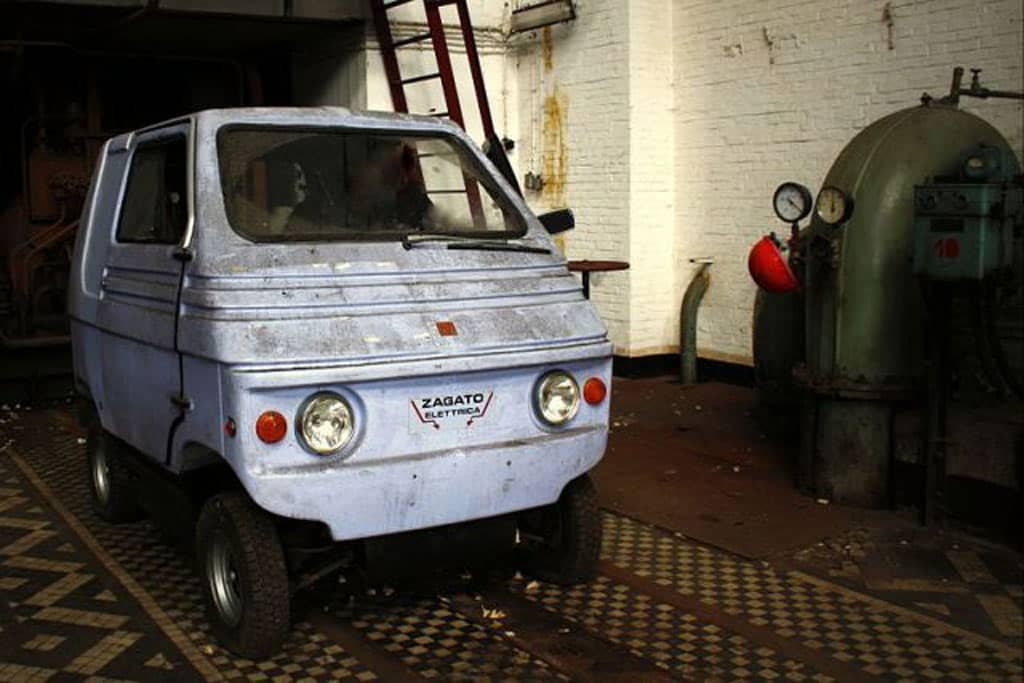
This zany electric microcar was produced by the Italian company Zagato. In European markets, the Elcar was called the Zele. Zagato collaborated with manufacturers like Aston Martin and Alfa Romeo to produce some really gorgeous cars. On the other hand, the fiberglass Elcar was not considered attractive. It was only produced from 1974 until 1976, its top speed was low and it had a range of only 10 miles in weather that is below 40 degrees! The Elcar also had to be recharged for eight hours, and with everything else, it’s not a surprise it never took off.
The Zagato Elcar
The Aston Martin Lagonda
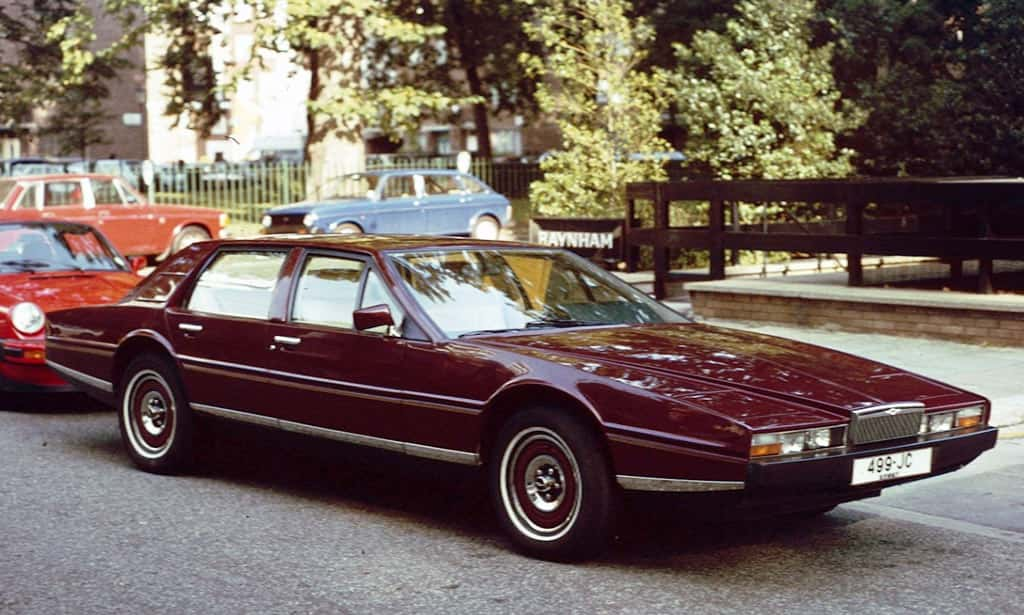
The ‘70s were truly interesting, and a perfect example of how odd those years were is this car which was introduced in 1974. The English car manufacturer Aston Martin built the luxury four-door Aston Lagonda from 1974 until 1990. However, there were only 645 produced. The Lagonda had a hefty price tag but failed (miserably) to meet expectations. According to Bloomberg Businessweek, it is among the 50 ugliest cars produced in the last 50 years. Time magazine added it to its list of “50 Worst Cars of All Time” and called the car a mechanical “catastrophe.” Time also said the novel electronic instrument panel of the car would have been impressive but it didn’t actually work.
The Aston Martin Lagonda
The Yugo GV
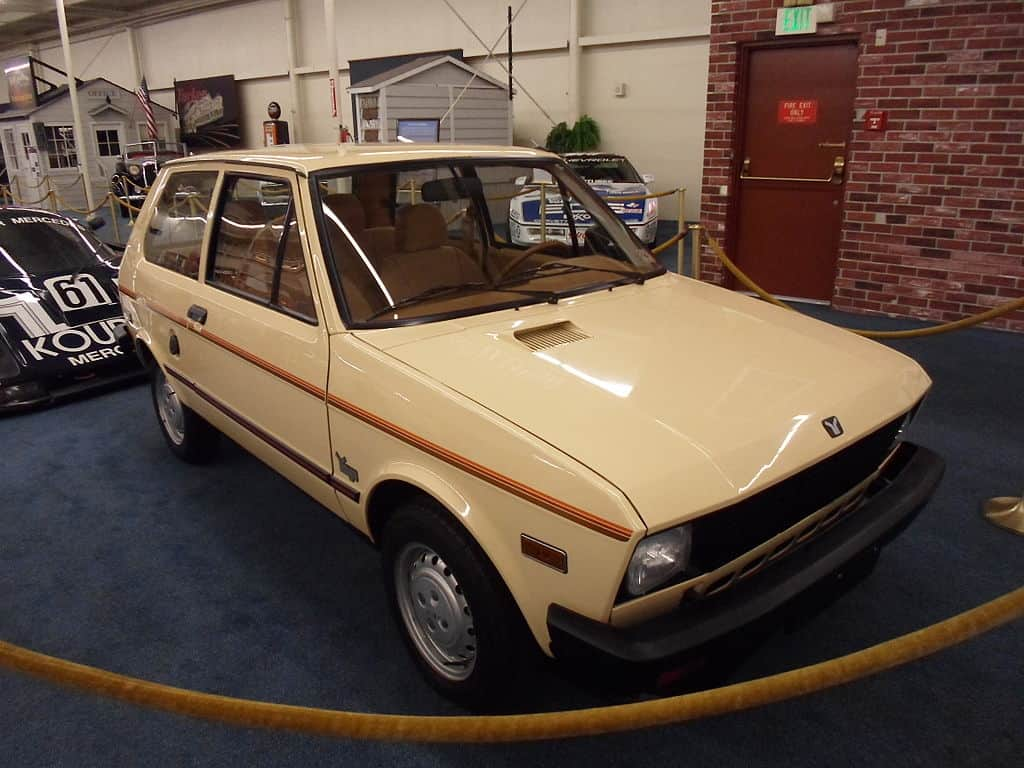
When Yugo was reviewed as a brand, one Autotrader said, “It’s generally agreed that the Yugo is one of the single worst cars ever sold in the United States.” The Yugoslav company Zastava Automobiles manufactured these petite vehicles, which have been object of ridicule in the US for a long time. What was sold in America is the GV model series, which is especially loathed. Numerous publications, including Time magazine and Car Talk, have added it to their “worst cars in history” lists. There were some serious quality issues like the car was slow and performed rather poorly in crash tests.
The Yugo GV
The Citroën Pluriel
Top Gear Magazine panned the French car Citroën Pluriel and declared that it’s “about as useful as a chocolate teapot.” Aside from that, the publication included the supermini convertible in its list of “13 worst cars of the last 20 years.” On paper, the concept of the Pluriel doesn’t sound too bad – a small convertible that can seat four people. However, you have to manually detach the roof and the detachable parts don’t fit in the car. What’s more, reviews say that the Pluriel is problematic and glitchy, boring to drive, and a lot of people think it’s cheap-looking. In July of 2010, Citroën stopped the production of the Pluriel.
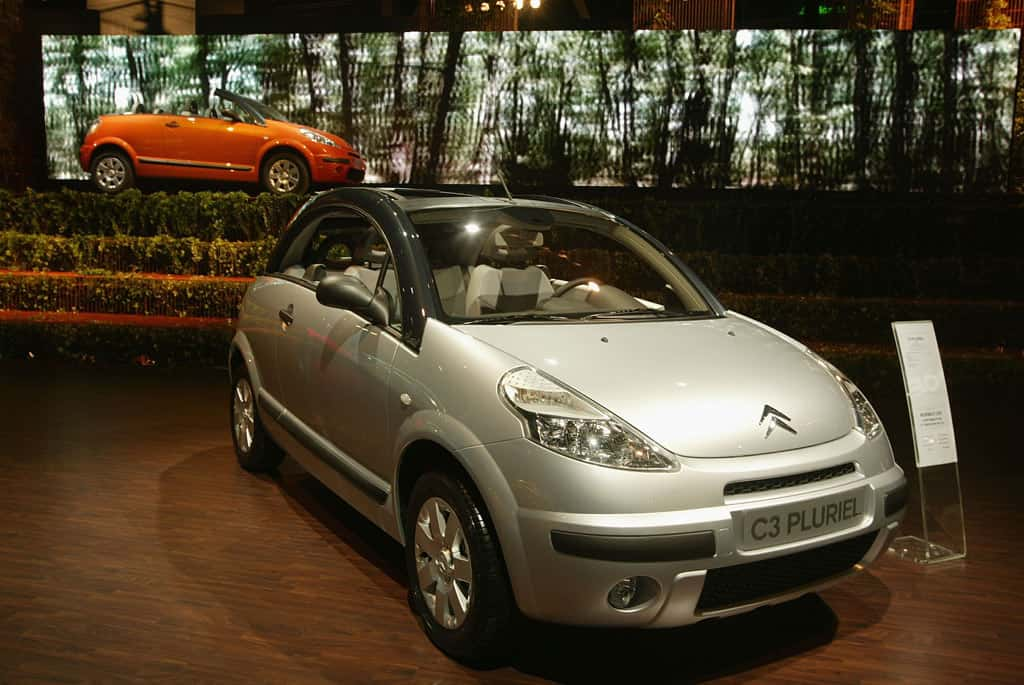
The Citroën Pluriel
The Mitsubishi Mirage
The Mirage was first produced in 1978 by Japanese manufacturer Mitsubishi. After a hiatus, the company started manufacturing the cars again in 2012. However, the fact that the Mirage is still being produced doesn’t really mean it’s a good vehicle. This is what US News had to say about the car: “The 2019 Mitsubishi Mirage ranks near the bottom of the subcompact car class. While it’s affordable, the Mirage’s glacial acceleration, poor ride quality, cheap cabin materials, and uncomfortable seats all drag down its appeal.” This car has great fuel economy estimates, though, which might be reason enough for a few drivers to choose the Mirage.
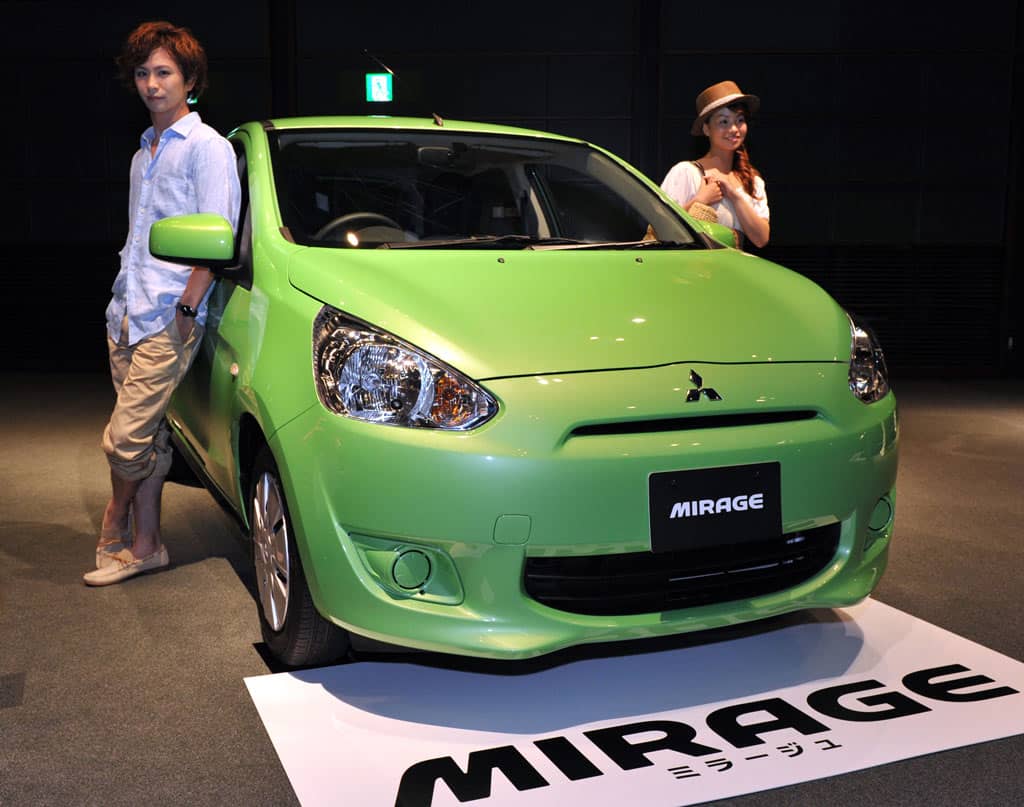
The Mitsubishi Mirage
The Trabant
VEB Sachsenring Automobilwerke Zwickau is the East German car company that produced the Trabant from 1957 until 1990. The cars are often called a “spark plug with a roof,” but some auto buffs’ hearts have a soft spot for Trabants, which have become sought-after by collectors. According to Wikipedia, these cars had “no tachometer, no headlights or turn signals indicator, no fuel gauge, no rear seat belts, no external fuel door, and drivers had to pour a mix of gasoline and oil directly under the bonnet/hood.” We don’t really want anything luxurious but we do look for something that could get us from point A to point B in one piece.
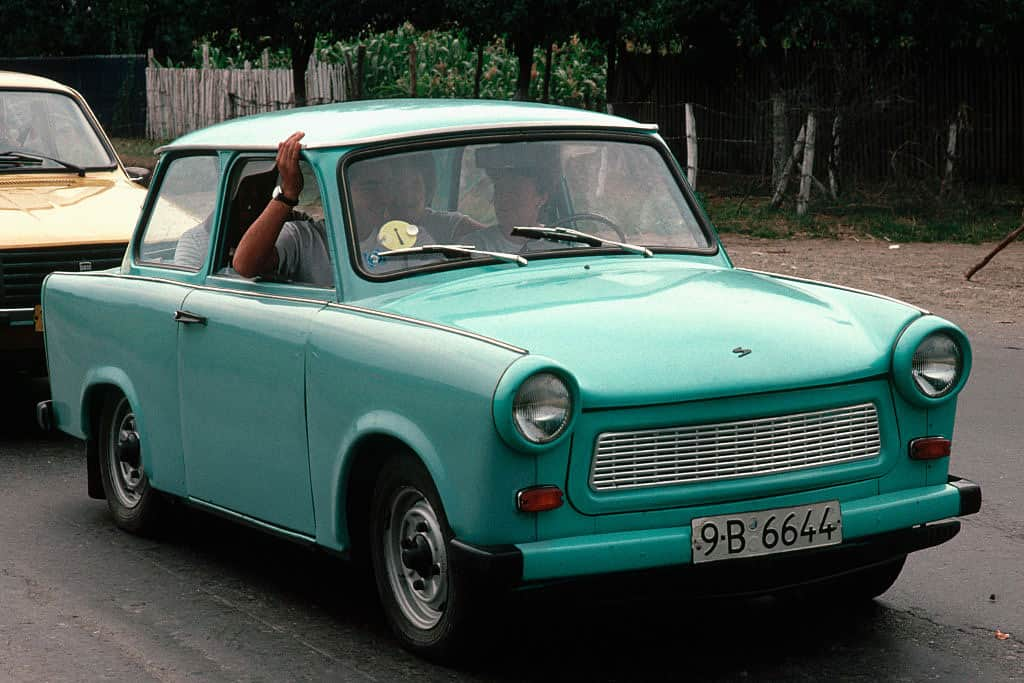
The Trabant
The 1967 Renault 10
With its air conditioning and rear engine, the French Renault 10 was wildly popular in America in the 1960s, but the 1967 model was viewed as a failure for its problems with braking and handling. In The Enthusiast Network’s review of the 1967 Renault 10, it said, “One serious fault we found is its sensitivity to the wind. Even playing with the tire pressures did nothing to improve its instability.” In 1971, the production of the model was ended.
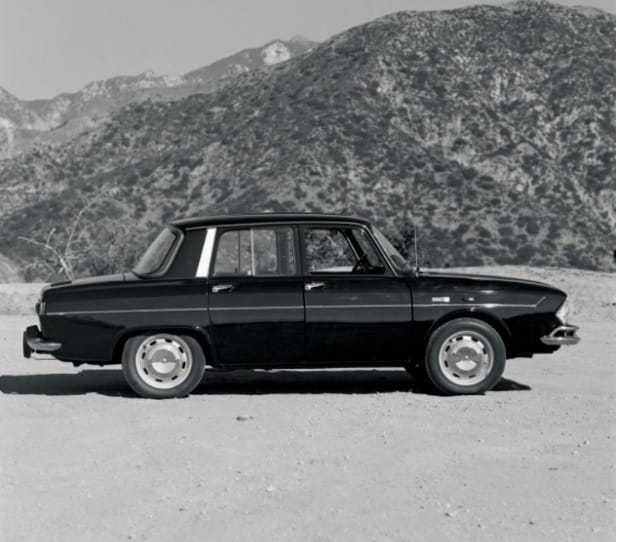
The 1967 Renault 10
The Mercedes CLA
Given the hefty price tag of a Mercedes Benz, you’d probably expect it to be quite high-quality. The CLA is more budget-friendly but it doesn’t have the famous Mercedes quality. This is what Consumer Reports had to say when it reviewed the CLA for the first time: “This coupe-ish sedan is certainly intriguing, but it begs the question whether a lower-cost car that dials back traditional Mercedes qualities will dilute this esteemed brand.” Since the debut of the CLA, it has made the “worst of” list of the publication almost every year. However, the car did open a new market for Mercedes-Benz.
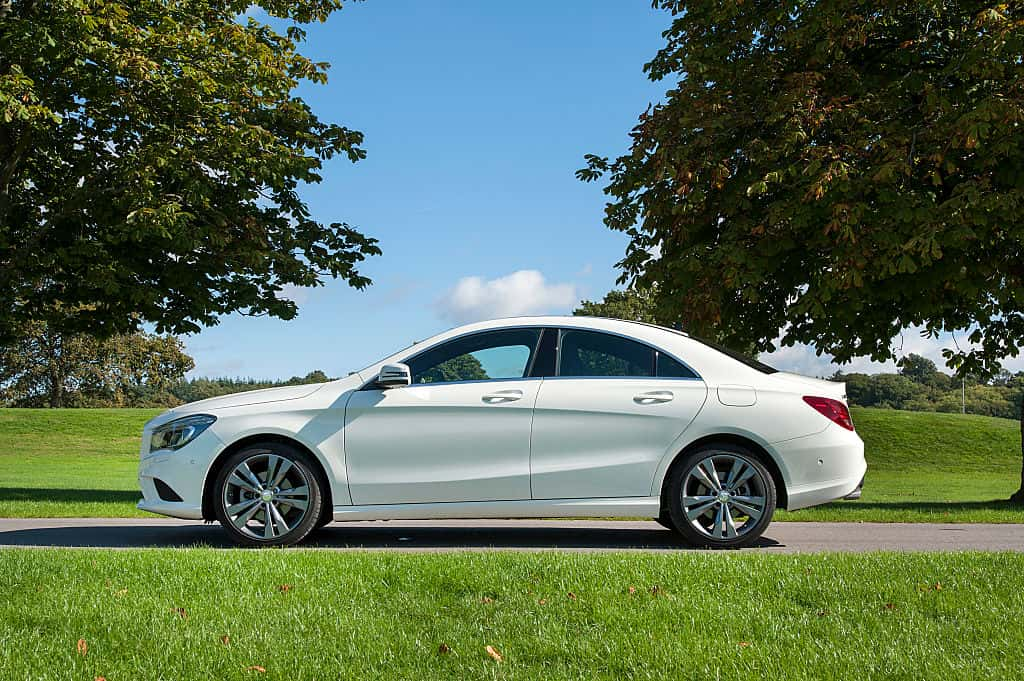
The Mercedes CLA
The DeLorean DMC-12
This car is synonymous with Back to the Future, the 1985 hit film where many people got introduced to the iconic vehicle. However, don’t let the fame or impressive appearance of the DeLorean DMC-12 fool you: these cars are often described as expensive failures. The DeLorean DMC-12 was the brainchild of John Z. DeLorean, who also created the Pontiac GTO. DeLoreans are unfortunately known to have a lot of electrical system issues, which leads to problems with general reliability. In addition, the cars have poor build quality and are underpowered. However, there’s still a high demand for them, and in 2016, it was announced by DMC in Texas that it was producing 300 replica models.
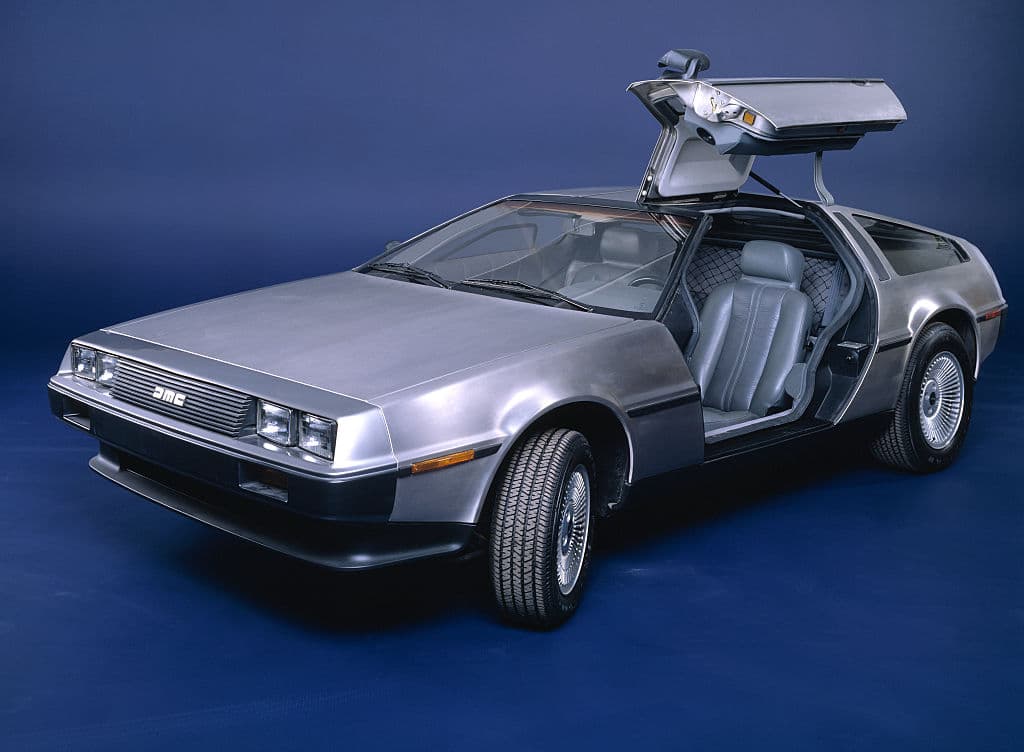
The DeLorean DMC-12
The Dodge Royal
Despite the Dodge Royal’s name, it was anything but royalty. Chrysler seemed to have sacrificed quality control in order to keep up with the demand. According to the review of the 1957 model on Consumer Reports, the sedan was plagued by a long list of problems, including “disastrous” water leakage in the cabin and trunk and the parts having the tendency to rust and fail. The Royal’s many problems marred Chrysler’s reputation and it took years for the automaker to rebuild its reputation. The Royal was eventually discontinued in 1960.
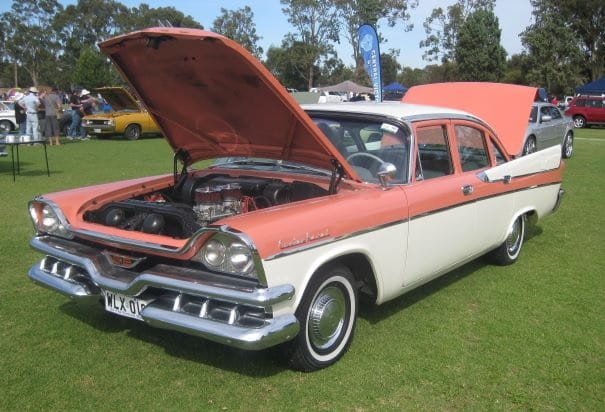
The Dodge Royal
The Overland Octoauto
While this one isn’t really a terrible car, it’s so unusual it deserves a spot on virtually all automotive lists. You might have already guessed that its eight wheels are the reason behind the 1911 Overland Octoauto’s name. Aside from being enormous, the car was also difficult to maneuver. Indiana car builder Milton Reeves based the concept of this car on a Pullman railroad car. He added an axle to each of the ends of a 1910 Overland and marketed the Octoauto as “safer and less likely to wear down tires” compared to normal vehicles. This car was never a success commercially for obvious reasons, though Reeves did invent the muffler.
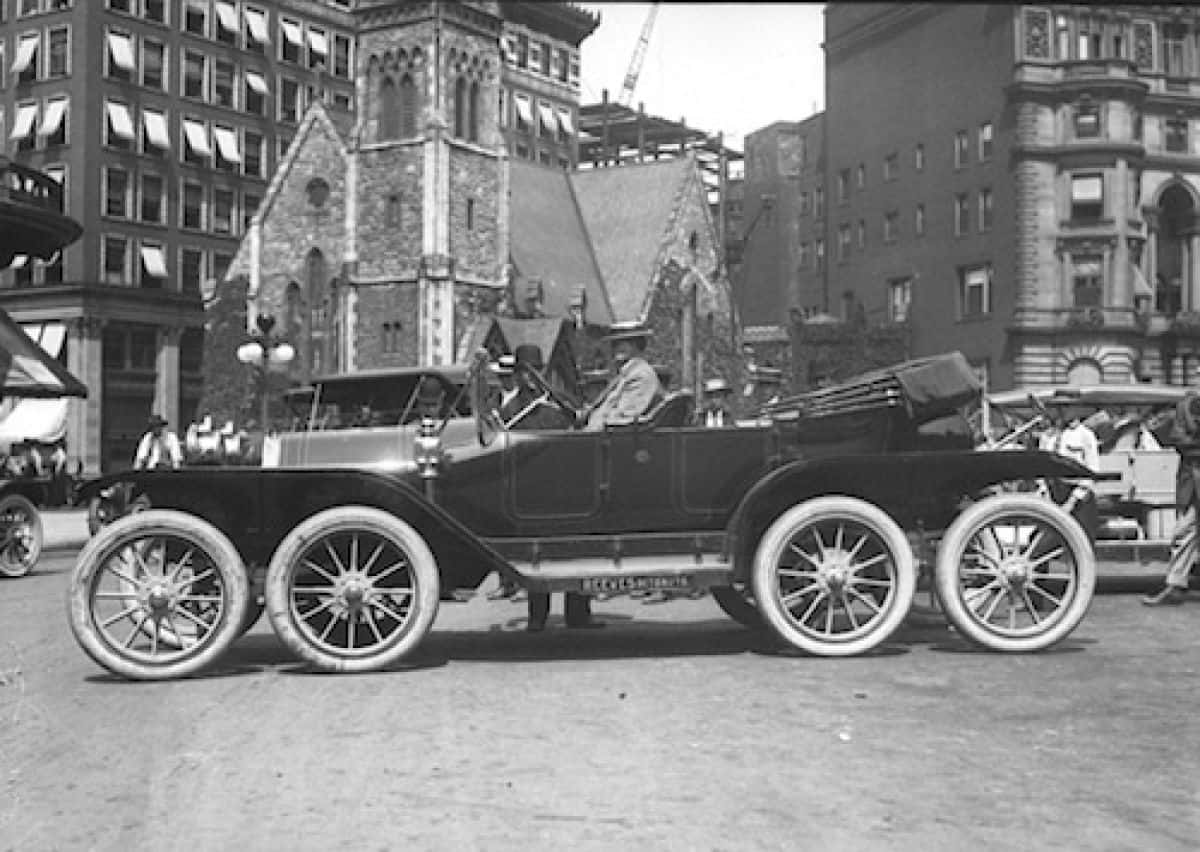
The Overland Octoauto
The Scripps-Booth Bi-Autogo
If you are wondering how many of these things are available to see today, the answer is only one. The Scripps-Booth Bi-Autogo was an American prototype that took four years to produce, from 1908 until 1912. The cyclecar was basically a motorbike with training wheels. It had two wheels and a seating capacity of three. It was also the first vehicle with a V8 engine built in Detroit. If you would like to see the only unit ever built, you will need to visit the Detroit Historical Society. The car was restored in 2017 so that it is more suitable to be displayed.
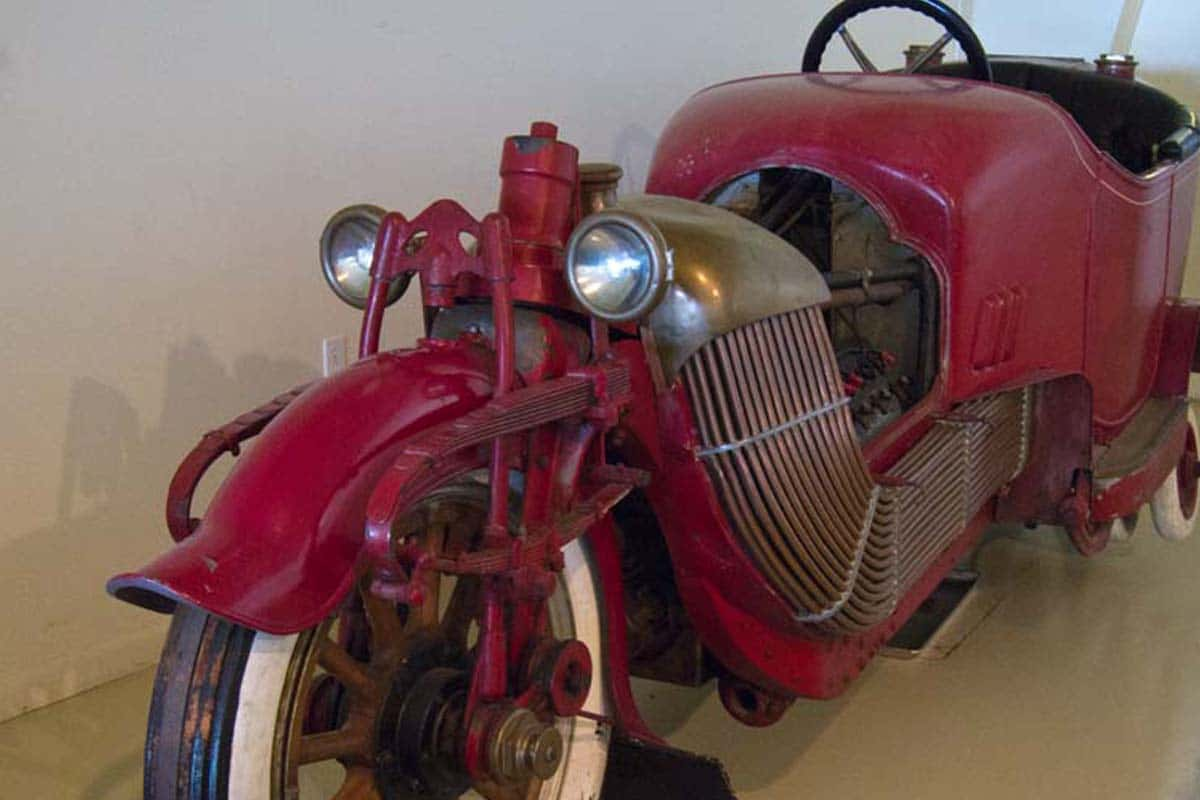
The Scripps-Booth Bi-Autogo
The Ford Model T
Between 1908 and 1927, around 15 million Model T units were produced by Ford. Considered the first affordable car of America, the Model T’s shortcomings were overlooked by the general public, who was keen on experiencing the joys of driving. The car was a big hit, needless to say. Henry Ford thought up the idea of installing the assembly line in producing an entire vehicle, which revolutionized the auto industry. Since he was able to mass-produce cars, the sales increased, though the mechanical problems were unfortunately replicated as well. Before the year 1972, the Model T had the longest production run in history.
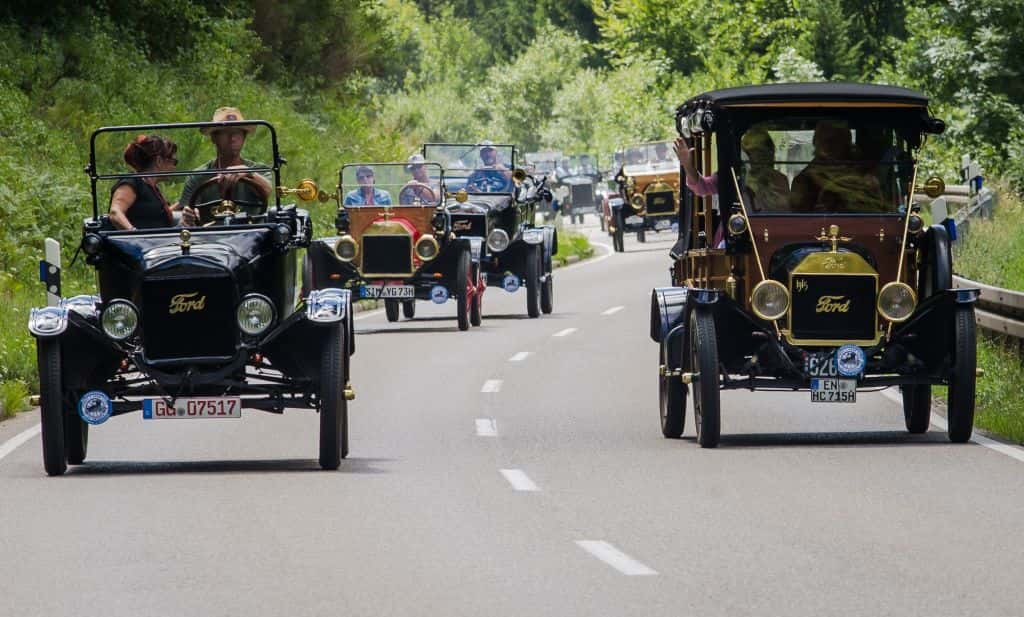
The Ford Model T
The Smith Flyer
Originally named the Smith Flyer, the Briggs and Stratton Flyer was produced between 1915 and 1925, though we wish the production had stopped around five years earlier. With the engine connected to its wheel, the car was basically a high-end lawnmower. Widely known as the “Red Bug”, almost all Flyers had been painted red. In 1919, Briggs and Stratton bought the rights to the vehicle and they were able to adapt the technology to the favorite grass cutting device of fathers. A 1922 Flyer sold for $125, which makes it the cheapest car in history.
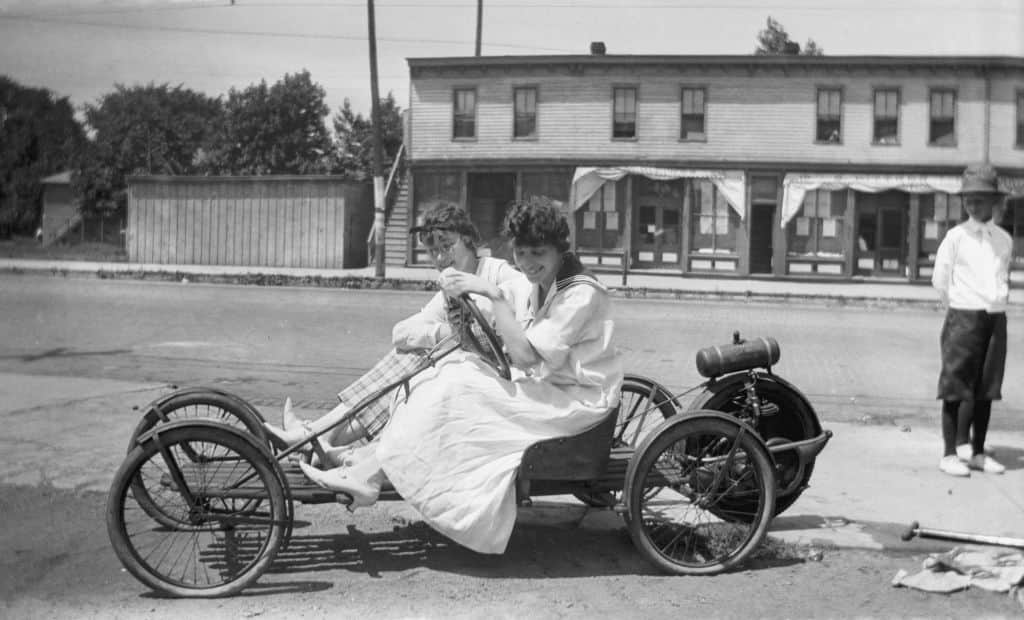
The Smith Flyer
The Dymaxion
During the Great Depression, American inventor Buckminster Fuller designed the Dymaxion, which was featured at the Chicago World’s Fair in 1933. There were three prototypes presented with a single goal in mind – to be able to eventually have a vehicle that could drive, swim, and fly. However, before the prototypes were mass-produced, Buckminster ceased production. According to the inventor, in spite of the public’s obvious interest, the car had not been designed to sell to them. When Fuller tested the car, he discovered that it handled poorly. This might have contributed to Fuller’s refusal to mass-produce the Dymaxion.
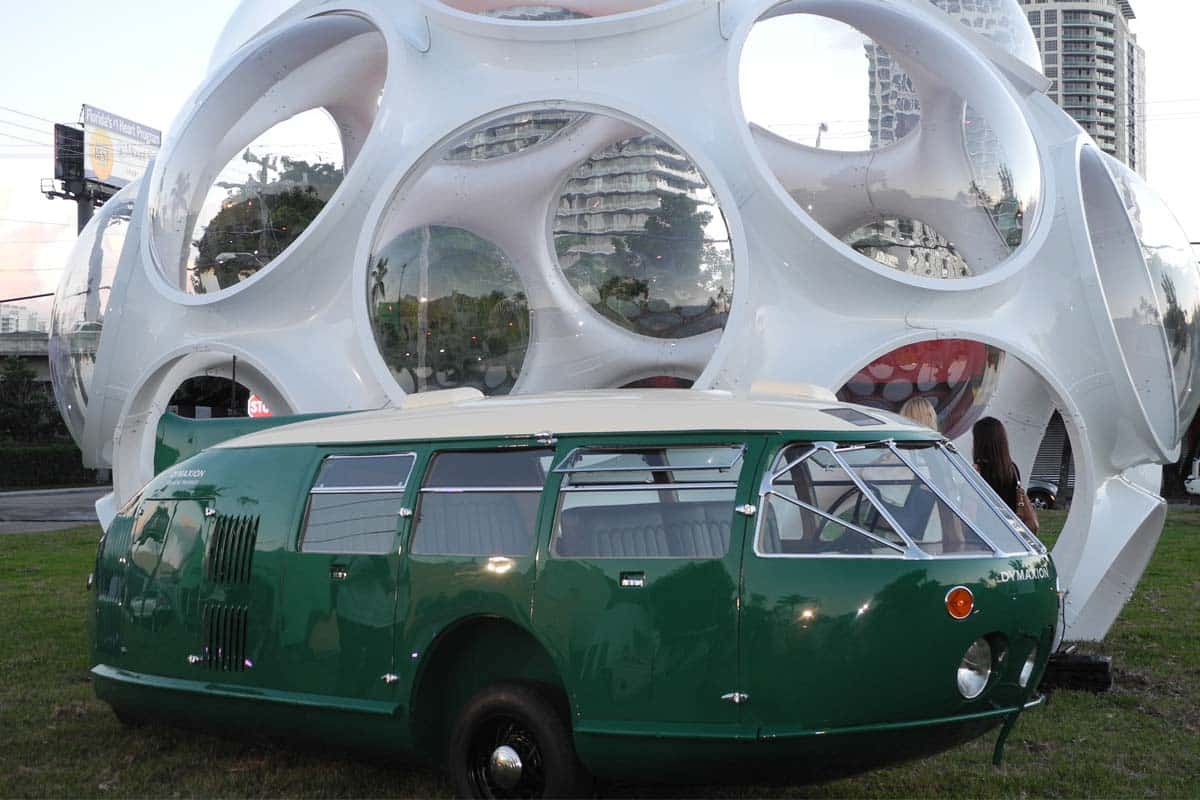
The Dymaxion
The DeSoto Airflow
The first to offer a full with seat a 3-across seating in the back, the DeSoto Airflow was first released in 1934, and its body’s design made it unique at the time. This generated great interest in the auto market, but that interest could not be sustained, with production ultimately stopping in 1936. If you’re wondering what happened, well, nothing. The car actually handled better on the road than most others, but DeSoto failed to market it properly. The company sold it as “futuristic” to consumers who were looking for reliability. Most people would agree that hindsight is 50/50.
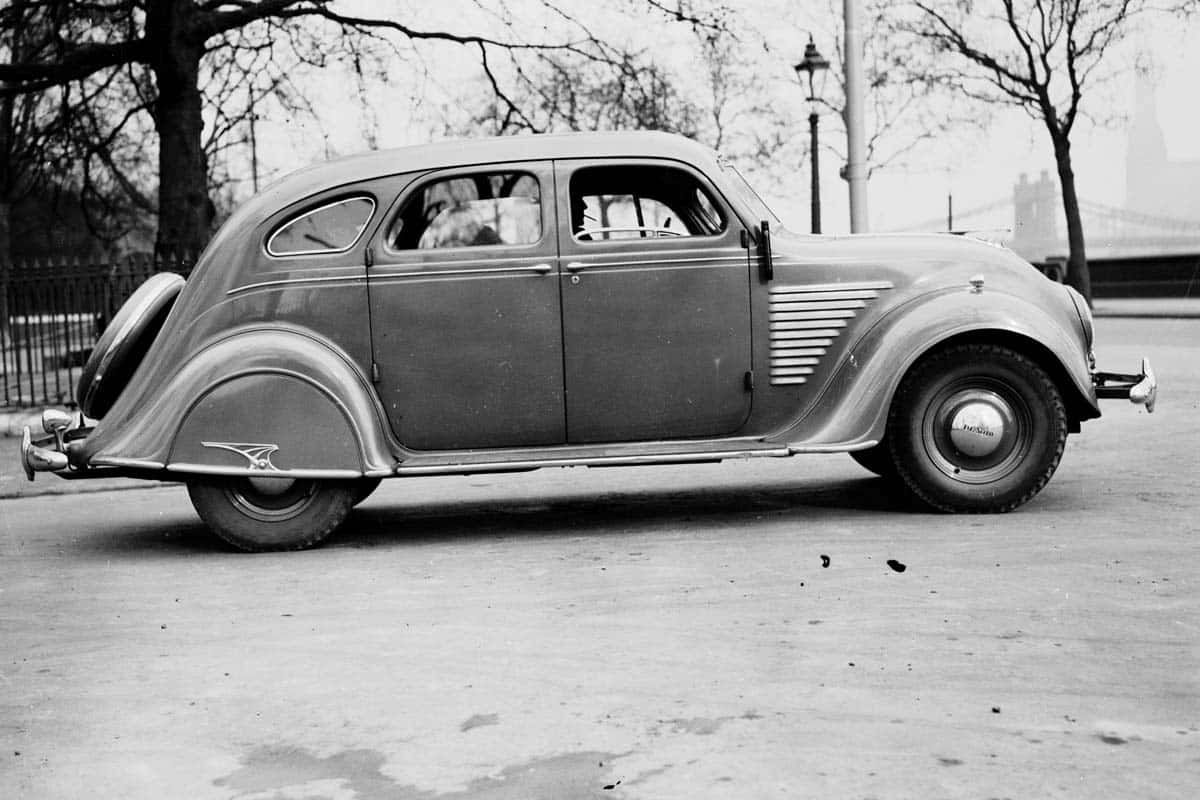
The DeSoto Airflow
The Crosley Hotshot
In the mid-20th Century, Crosley was known for producing low end and affordable cars. In 1949, with the hope of changing their reputation, they introduced the Hotshot sports car. Not a lot of people know that Crosley was responsible for the American sports car’s reintroduction to the postwar market. Even though the Hotshot was everything Crosley wanted, the car wasn’t a good seller. The problem might be the design. The car featured hinged doors and was low to the ground. Customers just didn’t like that, and they were also not fond of the Farm-O-Road car which Crosley tried to sell next.
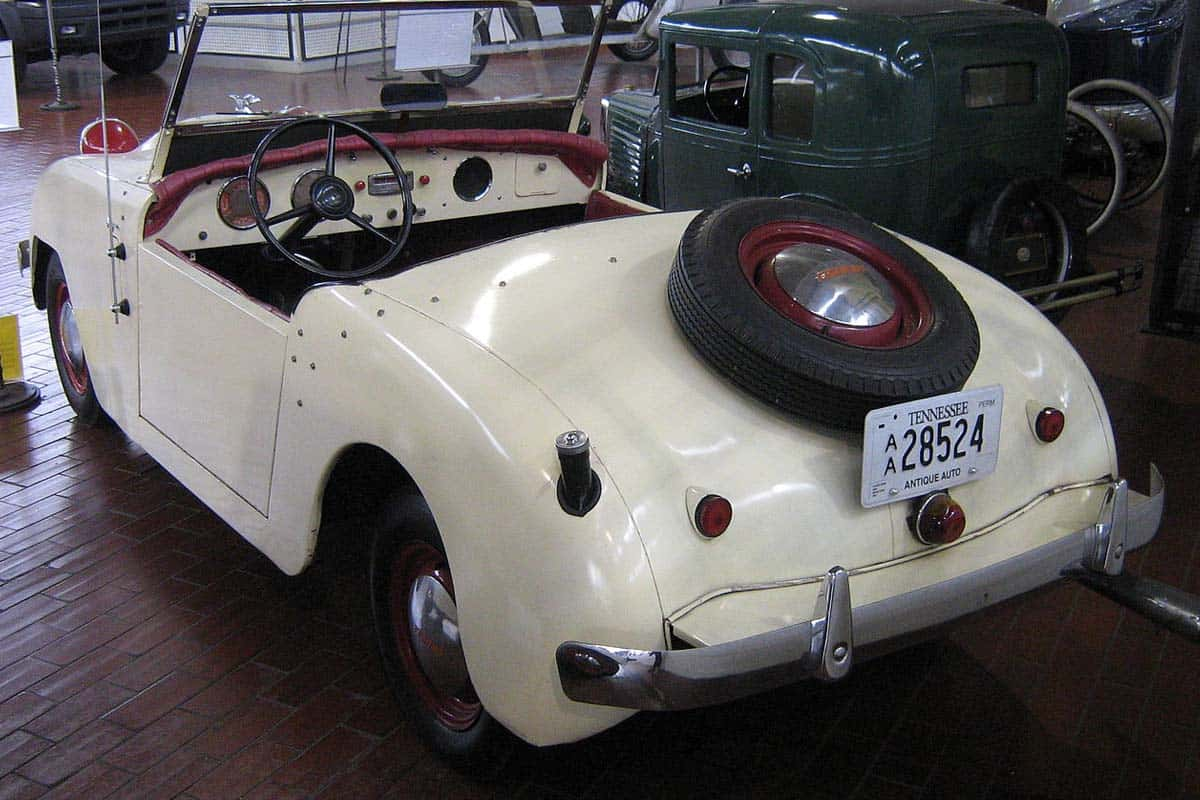
The Crosley Hotshot
The King Midget III
Introduced in 1957, the King Midget III was a microcar that was smaller than a Crosley. The Midget III was basically a runabout that was 117 inches long and weighed 690 pounds. You could buy one for around $900 in 1958, which seems like quite a steal in the economy today! By 1970, the car was put to sleep and in 1966, the company was sold off by the original makers to retire. In three years, the new owners had no choice but to declare bankruptcy. In one year, there were only 15 units produced, which officially signalled the end.
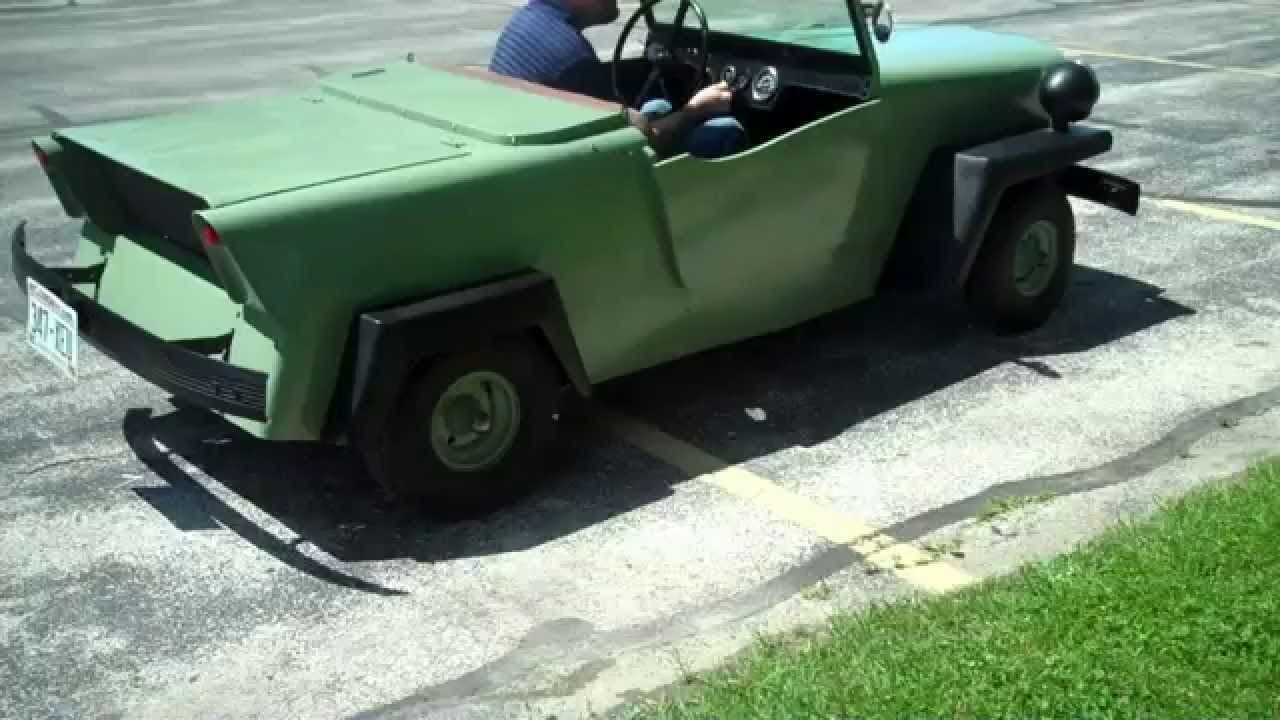
The King Midget III
The Cadillac Cimarron
In 1982, the entry-level luxury car Cadillac Cimarron was introduced to the world. It was intended to compete with other compact sedans from European car makers. However, from the start, the Cimarron was a disaster. All GM wanted was to move Cadillac to a smaller market, not end the brand forever. Obviously, the brand still exists today, but the fact remains that GM nearly cut the cord on Cadillac in the ’80s because of the Cimarron. There have been few cars in history which were so bad that they became a threat to their brands’ existence. Thankfully, the unthinkable didn’t happen.
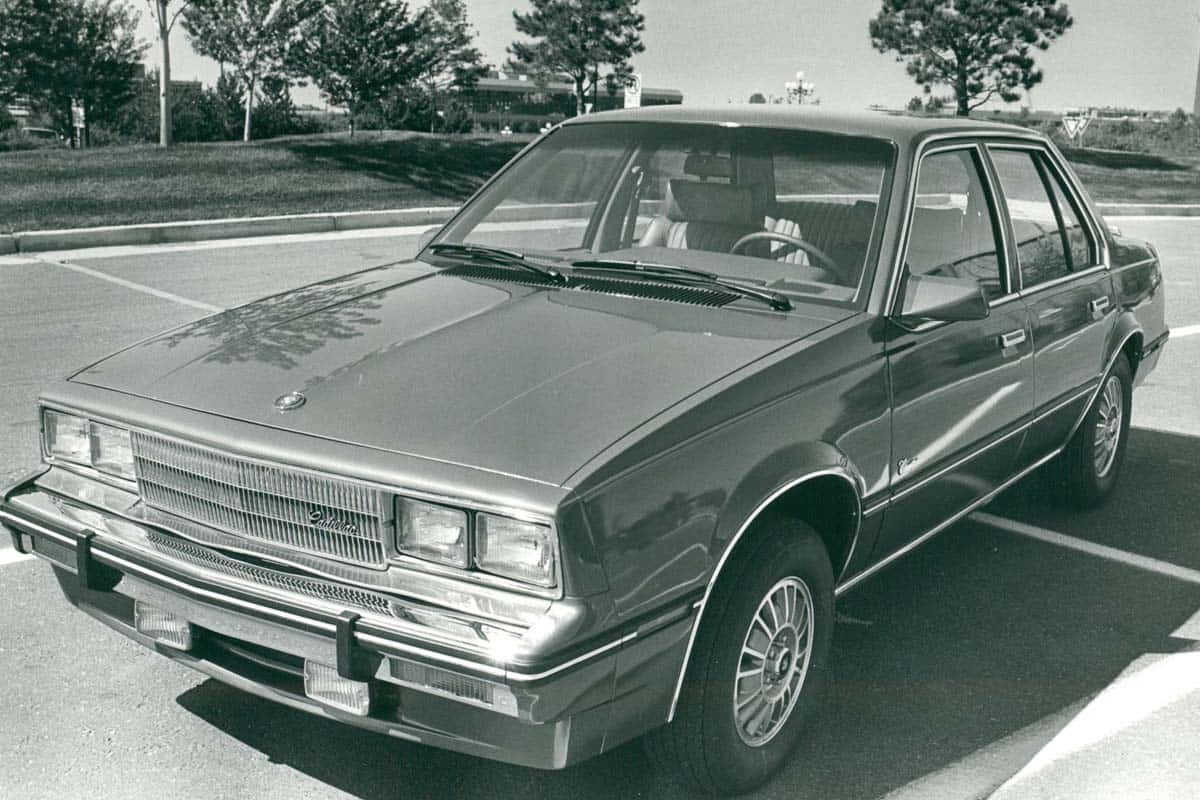
The Cadillac Cimarron
The Wateran Arrowbile
This is one vehicle that should have just stayed a prototype. The Wateran Arrowbile was a small two-seat, a single-engine vehicle built as an aircraft without a tail. It was also capable of being a highway vehicle (so it’s included in this list). Luckily for everybody involved, the public simply didn’t care. Only five Arrowbiles were ever made, and the vehicle was a huge failure. It was the first of its kind, but it, unfortunately, didn’t prove the concept. There are some things that are just ahead of their time, and we’re still waiting for the day when this idea will sound good.
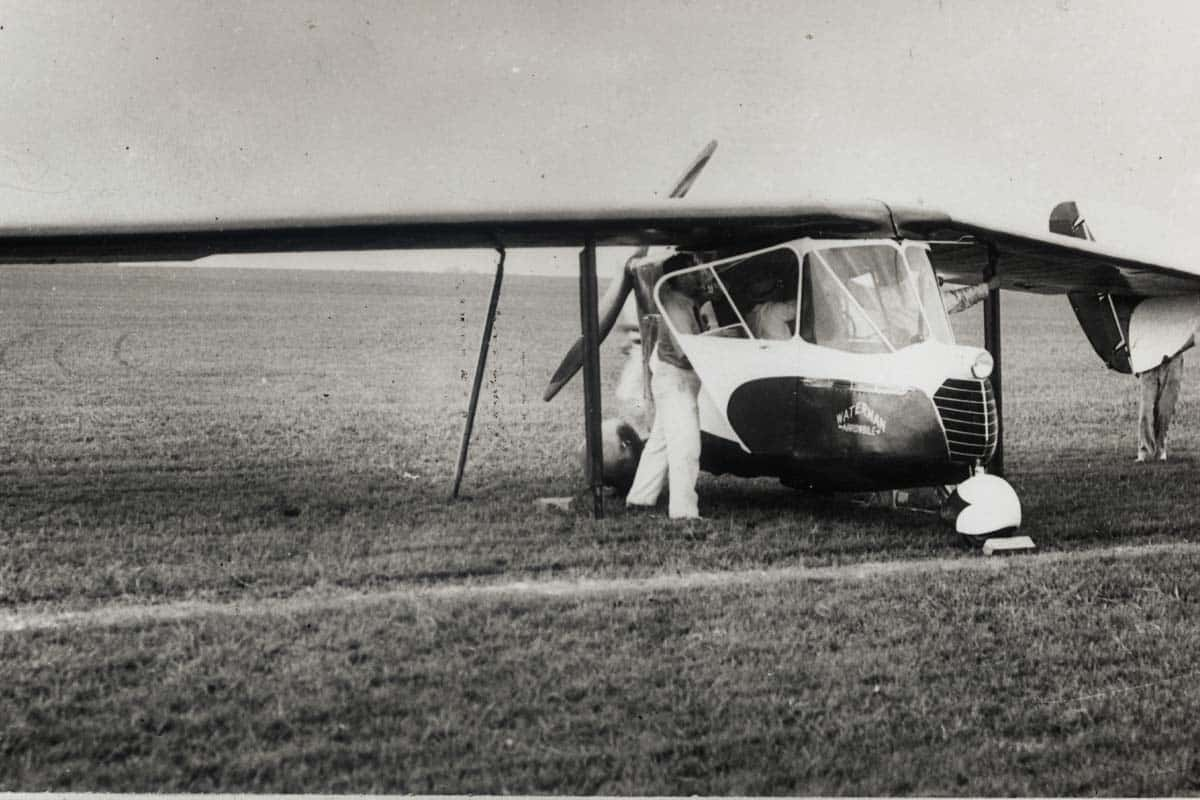
The Wateran Arrowbile
The Amphicar
Made between 1961 and 1968, the Amphicar was never really impressive – it was all concept without success. The car had the ability to go from land to water, but the transition was not easy. On land, the car had mediocre performance, and after it went for a dip, it required massive maintenance. There was a need to grease at least 13 joints. Most units were sold in America, but there was actually some interest overseas. Despite everything, the Amphicar has appeared in several films and on TV shows, and even President Lyndon B. Johnson had one.

The Amphicar