
China has a critical role in delivering food to the rest of the world. Foods manufactured in China should be avoided for many reasons. There are a number of elements involved in the production of food that might result in a variety of diseases. Wet markets are well-known for the variety of diseases they may spread, ranging from the coronavirus to a variety of other viruses. Here are some foods in China that you should avoid at all costs.

Think Twice Before Eating These Foods From China, Here’s Why
Apple Juice
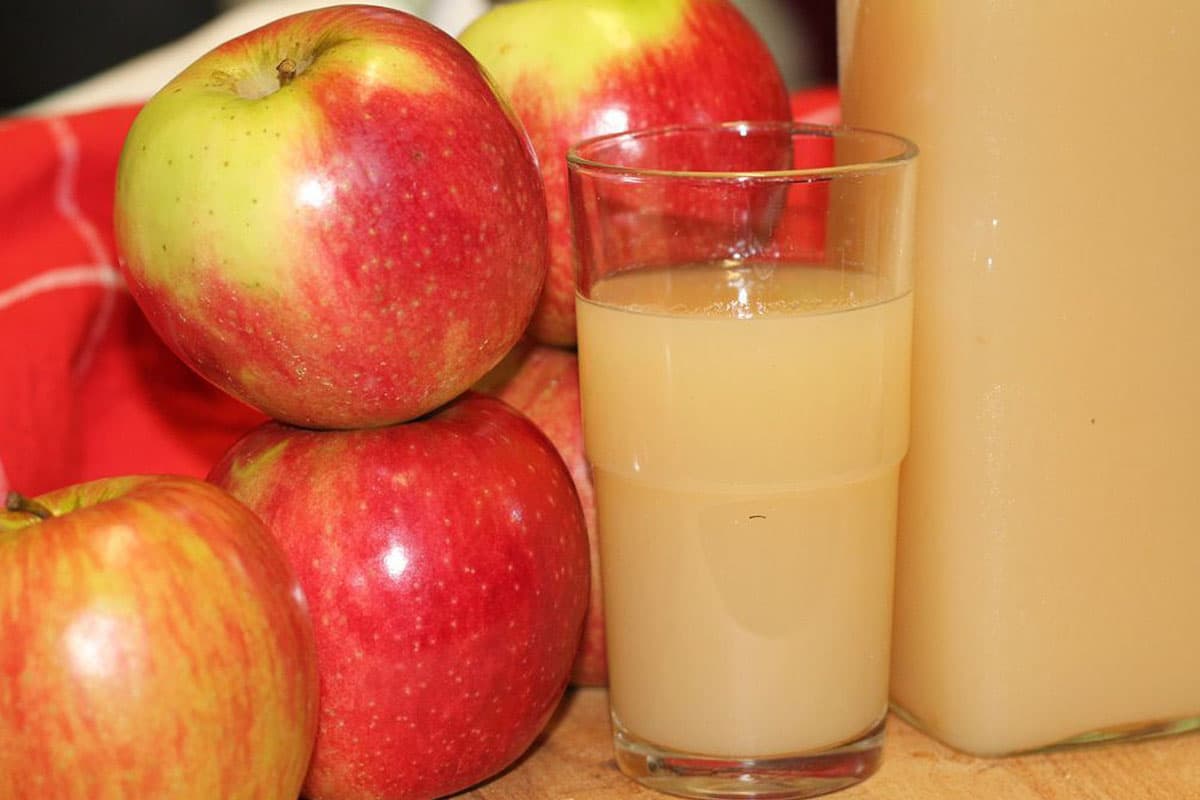
China is currently one of the world’s largest agricultural producers. Because of the high demand, the country is reported to use dubious means to meet it. Pesticides are reportedly used on crops across the country! Drinking apple juice from China is not recommended due to the possibility of hazardous chemicals being present in the beverage. The presence of significant amounts of arsenic in a handful of famous brands sold in the United States has been discovered! This is most likely due to the insecticides applied to the apples. Yikes.
Apple Juice
Ginseng
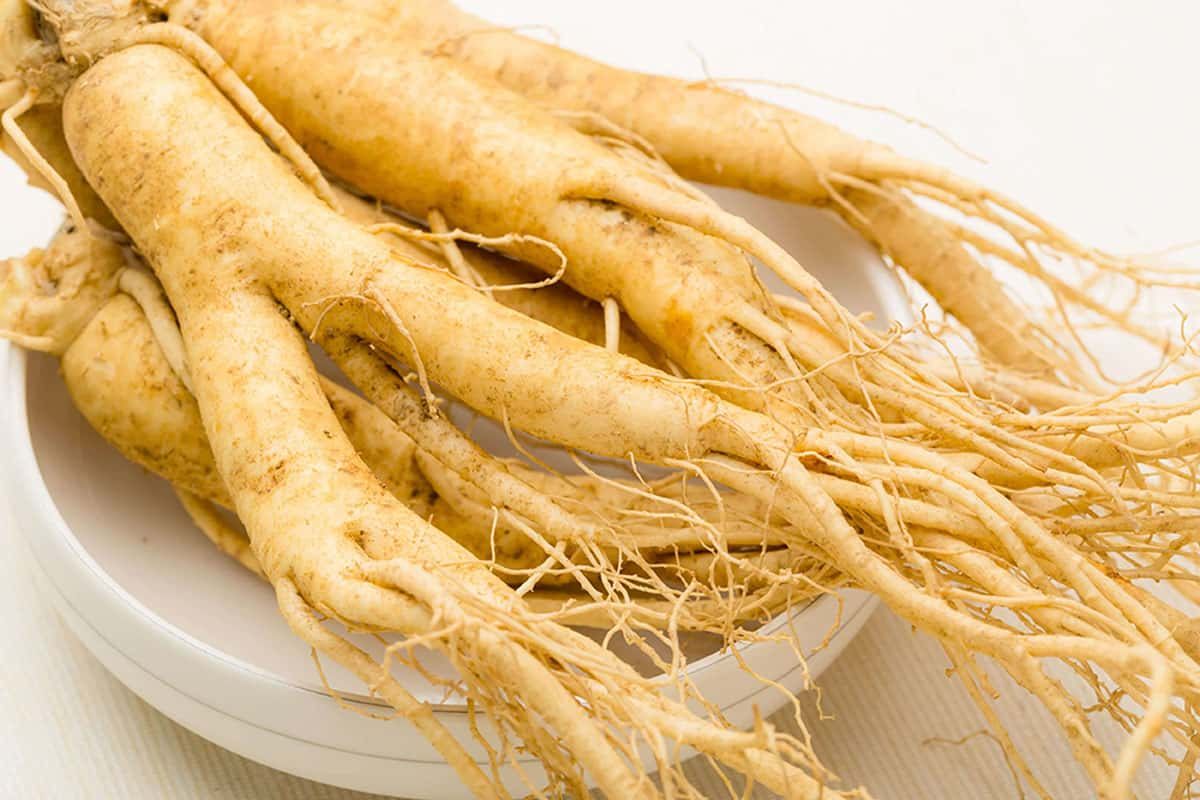
Did you realize that China supplies a significant amount of ginseng to the United States? It’s one of the Asian country’s most important exports! Unfortunately, this does not always indicate that it is safe to eat. Greenpeace detected evidence of chemicals and pesticides in varied levels in Chinese root crops when they examined them. Plus, it wasn’t just one molecule that was involved. Various chemicals known to be harmful to humans were found in the roots. Ginseng that is not grown in China is difficult to come by. As a result, you might want to consider eliminating carbohydrates from your diet entirely.
Ginseng
Table Salt
There should never be a shortage of table salt in your cupboard! However, if avoiding those from China is a priority, you can probably go without it. In truth, the Asian nation generates a significant amount of salt. Regrettably, we cannot guarantee that the manufacturing method is safe. Chinese salt, for example, is frequently contaminated with metals and other things that we should never ingest. This is also claimed to be due to the country’s sale of industrial salt as table salt. No one should eat it if they want to be healthy, as you might understand! On your next trip to the grocery store, double-check your favorite brand.
Table Salt
Watermelon
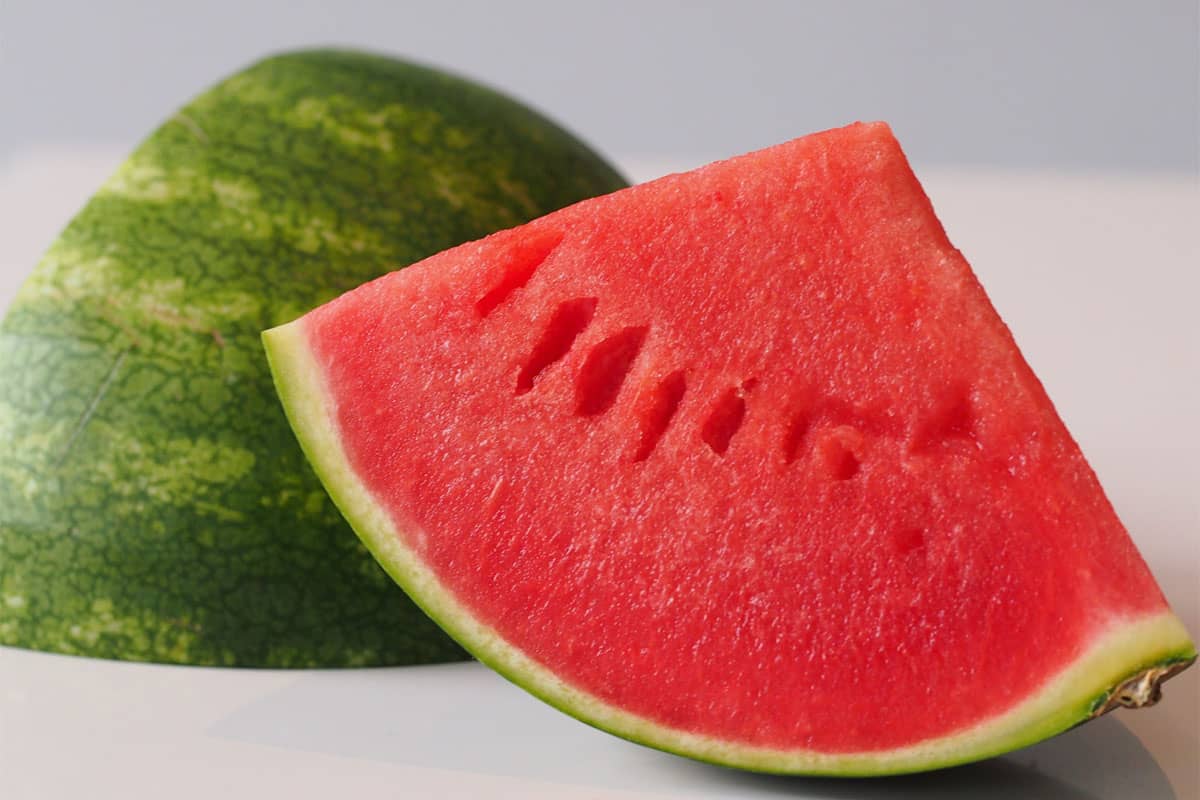
Watermelons from China are plentiful, but you should be cautious of them. Pesticides are commonly used on them, just as they are on apples. The chemicals are used to help them grow faster and produce more efficiently. Unfortunately, pesticides pollute the interiors. If you eat Chinese watermelon, you are almost certainly ingesting those toxins. As a general guideline, you should buy watermelons from your local area. After all, we’re sure you don’t want your family to become sick.
Watermelon
Garlic
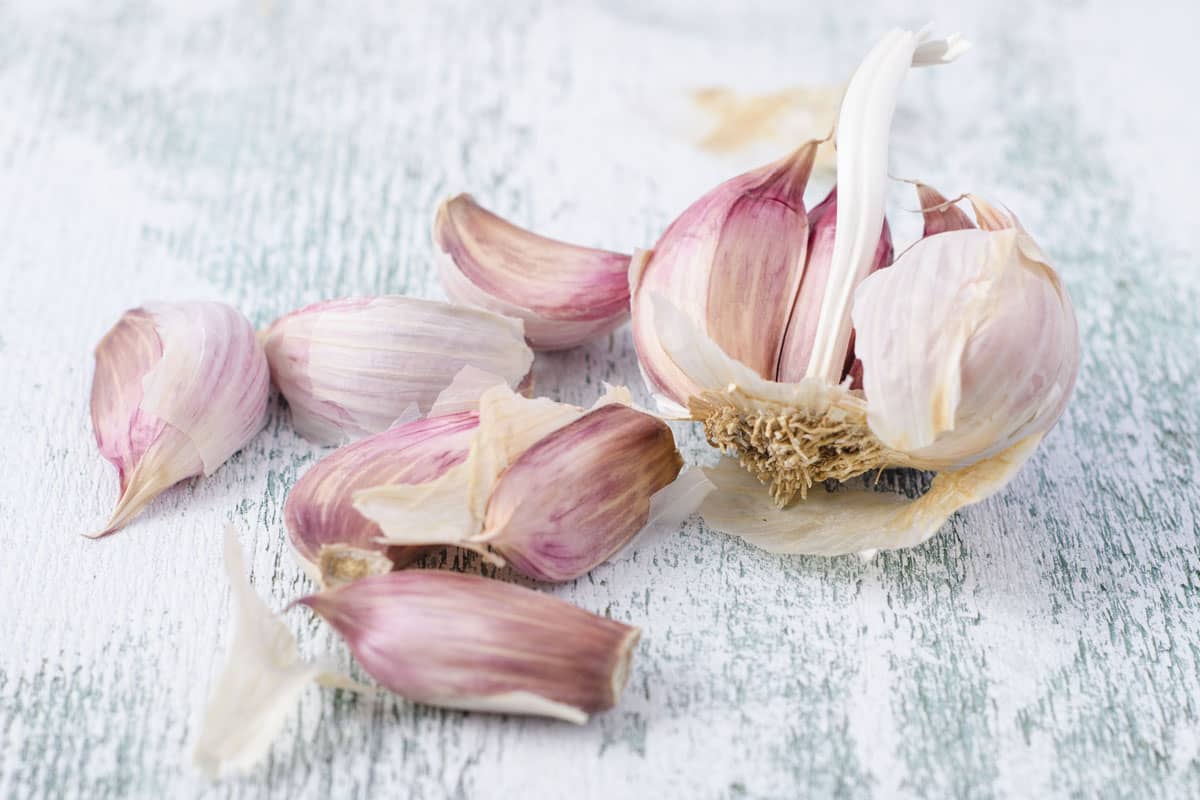
Pesticides are a big problem in Chinese agriculture, as you should have worked out by now. Farmers have no qualms about using them as much as they wish because the government does not control their usage. If it means generating more money, they don’t hold back! Because garlic is extremely absorbent, it is also impacted by this issue. If you consume garlic from China, be aware that you may be ingesting a lot of potentially hazardous compounds. We strongly advise you to stay away from them!
Garlic
Beef
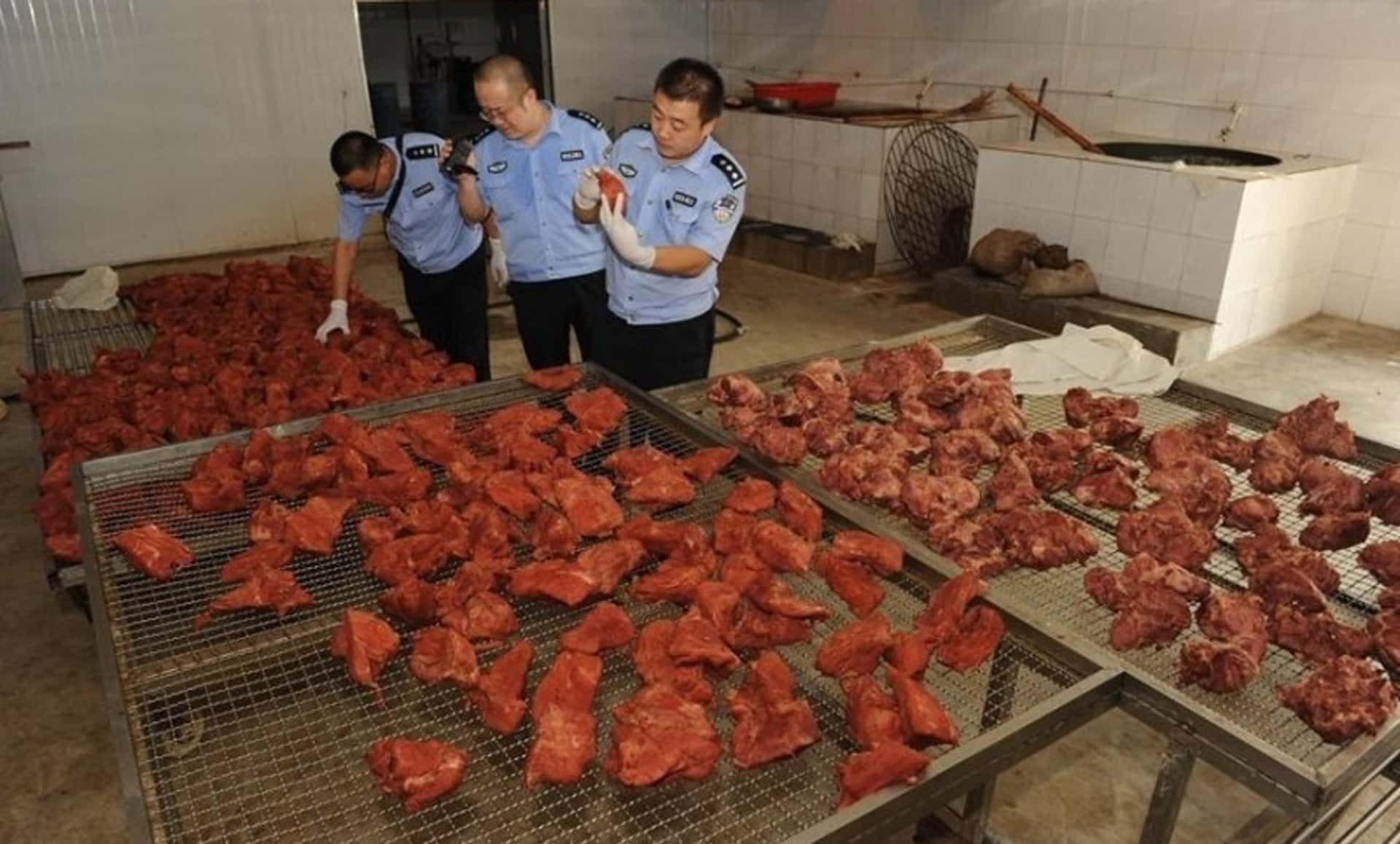
To be honest, it is a good idea to stay away from Chinese meat. The manufacturing process is said to be riddled with illnesses and toxins that may make anyone sick. Because Chinese meat businesses place a premium on speed, safety requirements are sometimes overlooked. For this reason, the flesh is said to come into touch with foul substances. Furthermore, businesses are believed to combine a few ingredients to create something that tastes and looks like meat. Do you really want to offer paraffin wax and chemicals to your friends and family? Folks, it’s simply not worth the risk.
Beef
Rice Noodles
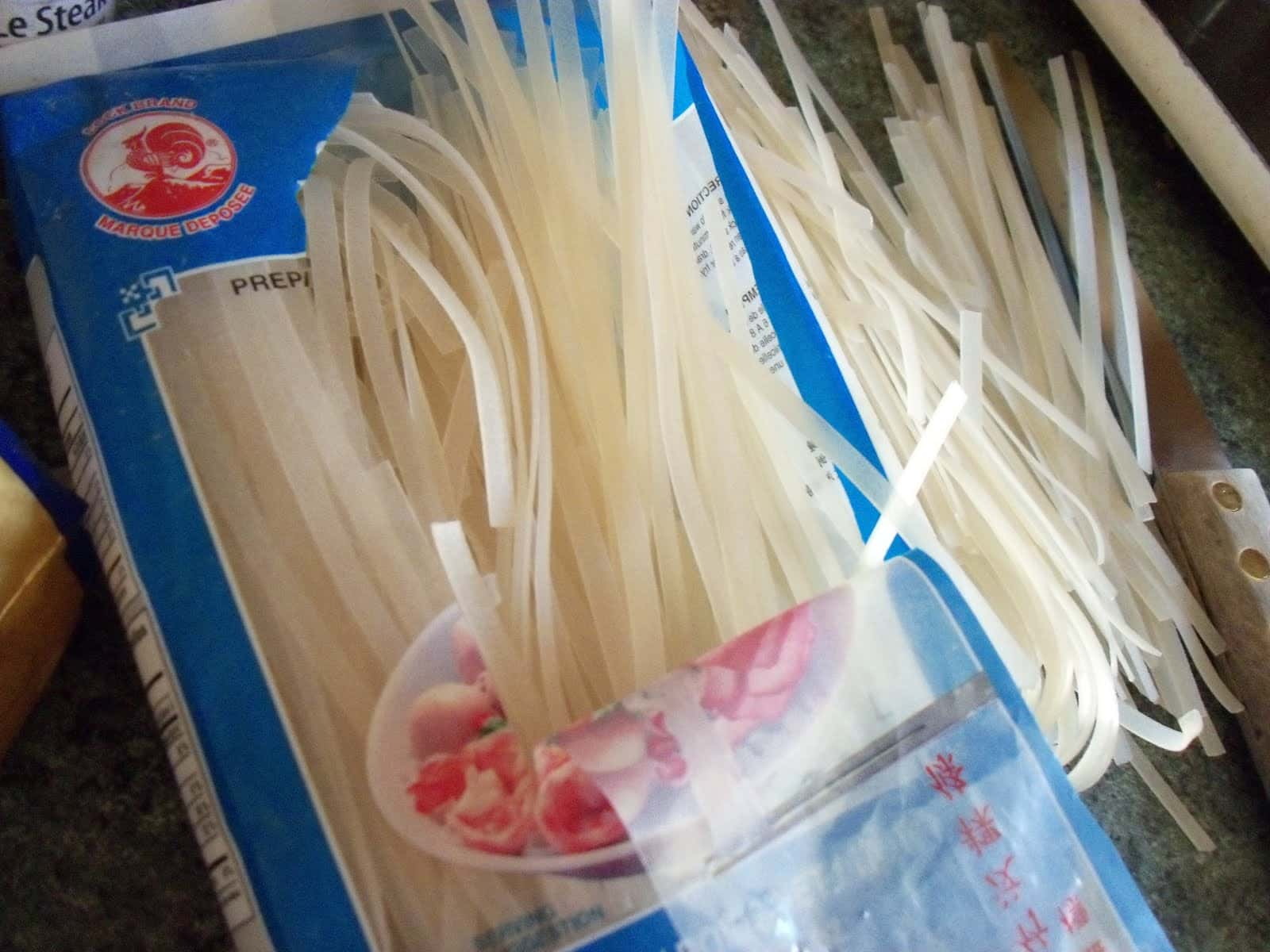
If you’re going to prepare Asian cuisine, rice noodles from China may seem like a good idea. However, you might want to consider carefully before doing so. Because they taste excellent, they will most likely lend authenticity to the dish. However, some rice noodle producers add sulfur dioxide to the finished product. According to legend, the chemical gives the noodles a “fresh” appearance. Should we remind you that sulfur dioxide has already been linked to cancer? Instead, you should get it from a local retailer.
Rice Noodles
Baby Formula
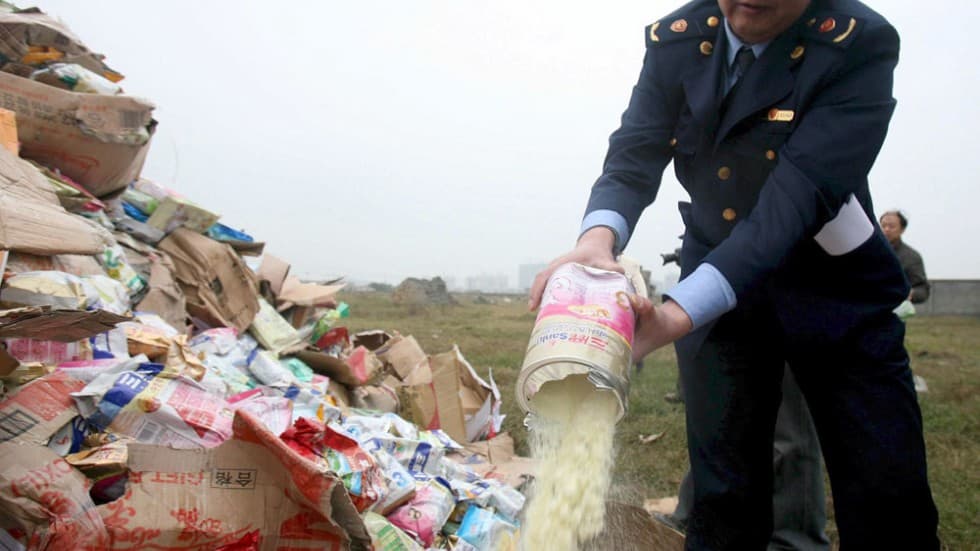
For other folks, consuming something dangerous once in a while isn’t such a horrible thing. No one, however, would intentionally put their child in danger! When purchasing infant formula, always read the label thoroughly. It was discovered a few years ago that some Chinese producers added melamine to infant formula to make it appear to have a greater protein content. It’s worth noting that this is commonly utilized in plastics! Melamine may make newborns severely ill if given in excessive concentrations. Uh-oh.
Baby Formula
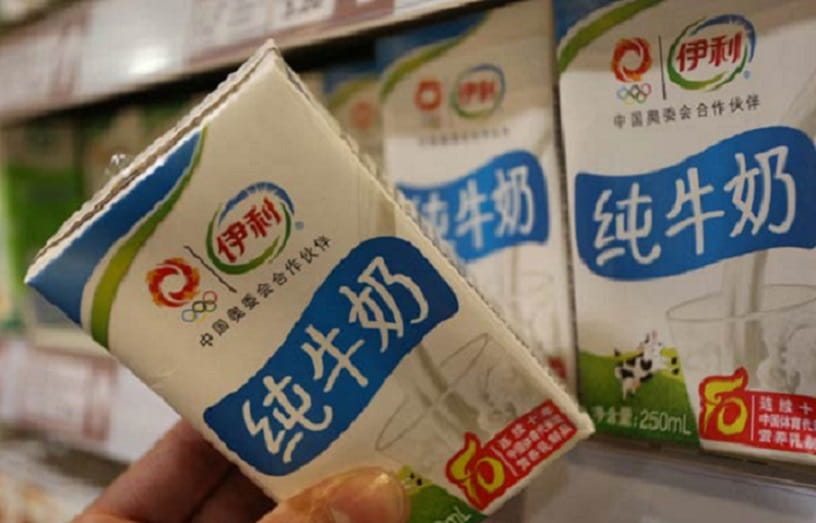
Milk
Melamine may be present in baby formula, but it is also present in milk imported from China. When the chemical is ingested, it might cause kidney damage. Hundreds of thousands of individuals have become very ill as a result of consuming that sort of milk. Instead, look for items manufactured in various nations. We’re confident you don’t want to poison the people you care about!
Milk
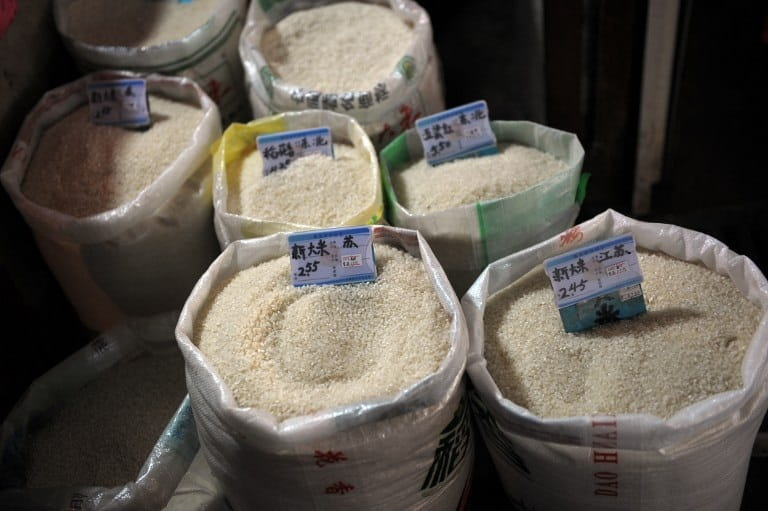
Rice
Buying rice from China seems like a no-brainer, just like rice noodles. After all, they’re served with almost every meal in China! We understand why you may believe so, however, this is not the case. Synthetic resin is added to rice in some Chinese rice mills. Not only are you receiving plastic, but the chemicals are also known to cause cancer. Purchasing it from a separate source will keep you secure!
Rice
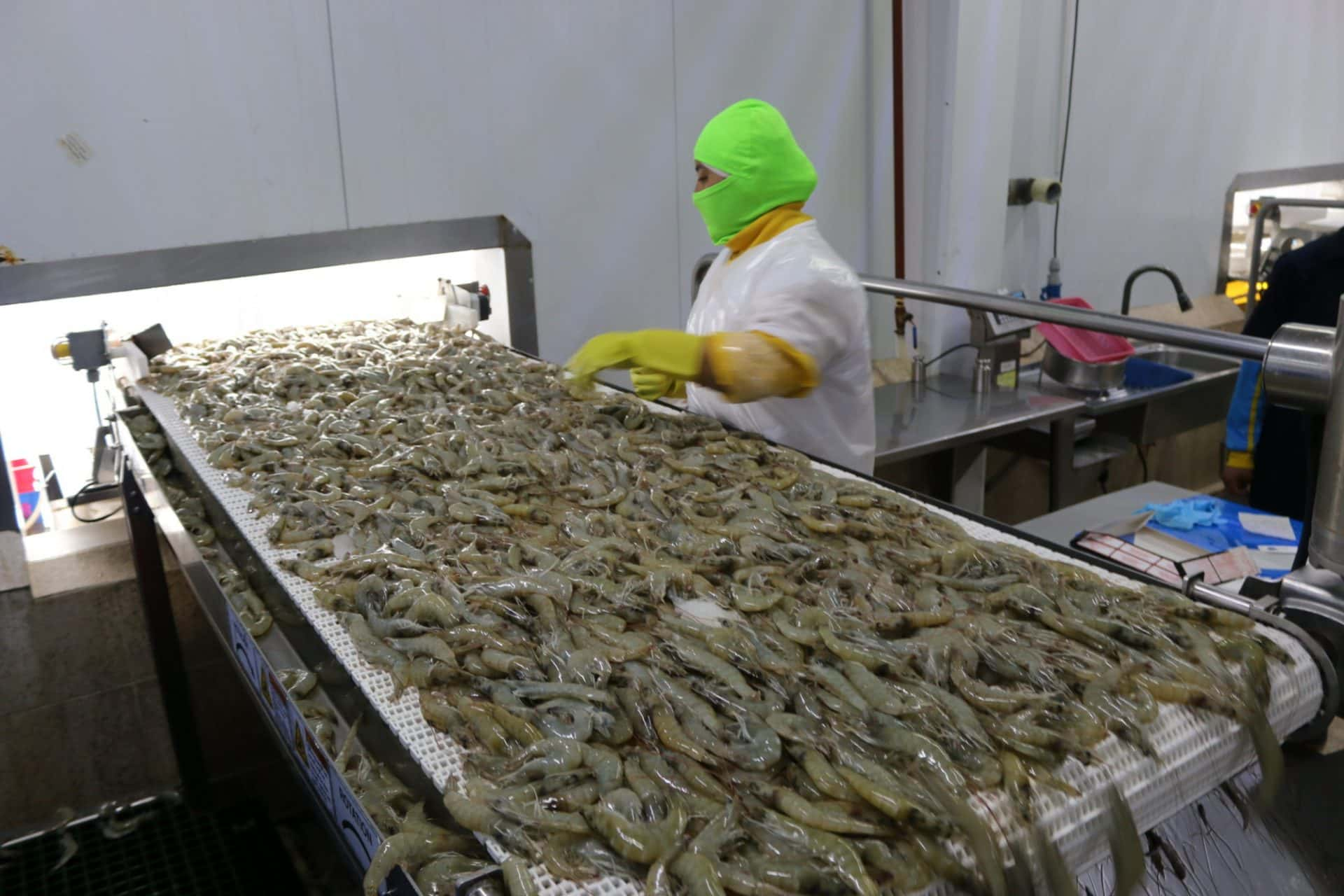
Shrimp
Imported shrimp, like all Chinese seafood, should be checked off your shopping list. A food lab at Texas Tech University’s Institute of Environmental and Human Health examined bags of shrimp from various retailers around the country a few years ago. When the investigation was finished, they discovered that all of the samples included chloramphenicol, the carcinogen nitrofurazone, and the antibiotic enrofloxacin. The chemicals have been discovered in the country’s illicit antibiotics! The shrimp are exposed to them due to the circumstances in the Asian country. We’re already shivering just thinking about it. Pass with flying colors!
Shrimp
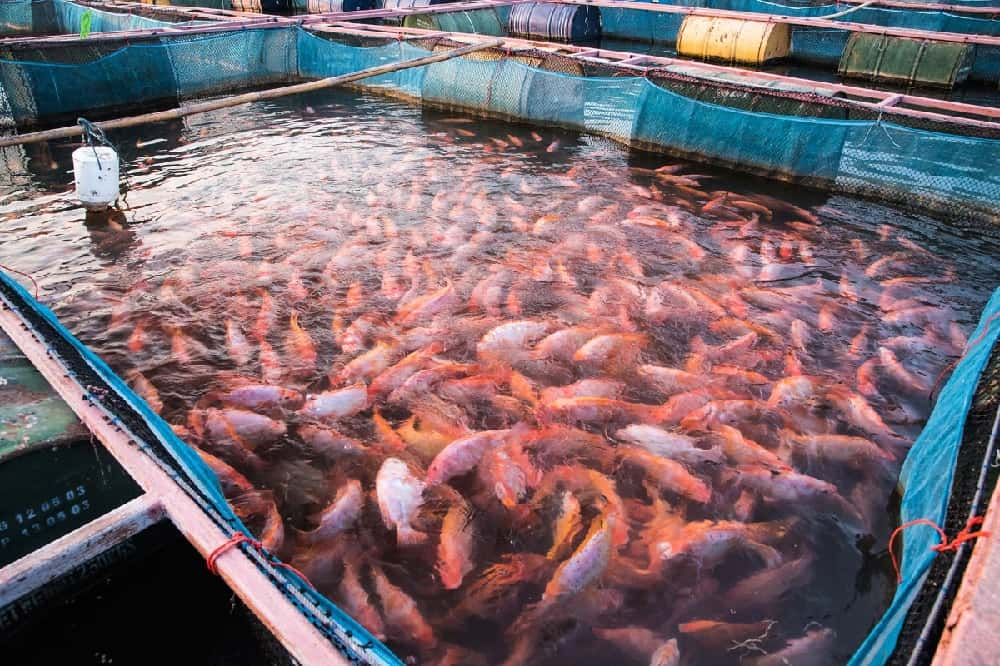
Tilapia
Do you eat tilapia frequently at home? If this is the case, double-check that the fish does not originate from China! They’re usually housed in tiny tanks that are nearly full. Toxic chemicals and compounds are commonly found in water and should be kept as far away from the human body as possible. What makes you think you should avoid buying tilapia from China? For one thing, they spend their whole lives immersed in water, potentially absorbing toxins. After that, we can only imagine what it would be like to eat them! Thank you, but no.
Tilapia
Cabbage
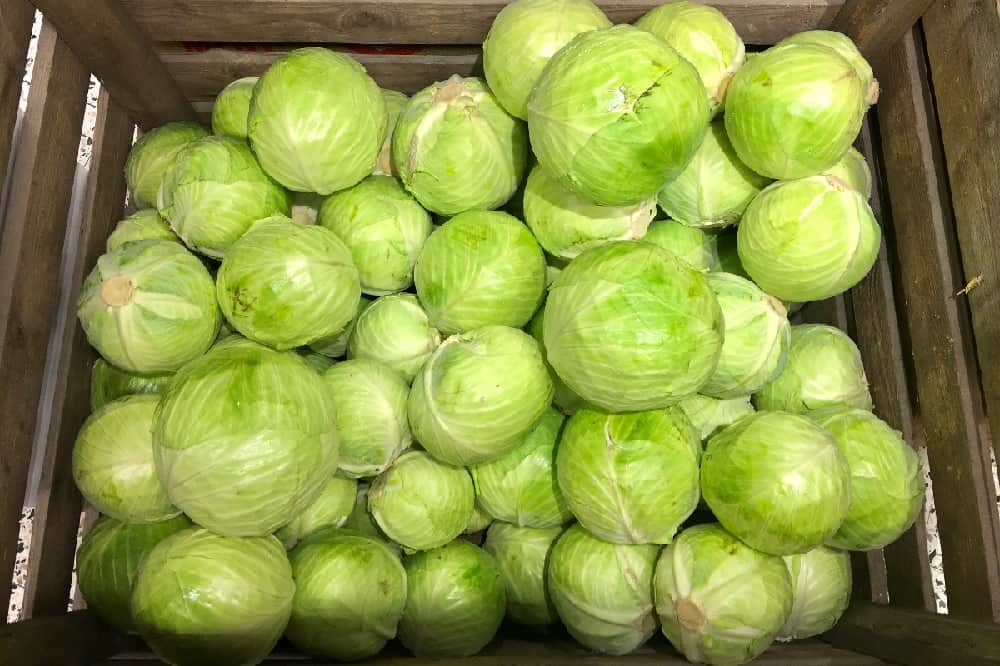
Indeed, agricultural yields are affected by the season. Chinese farmers, on the other hand, do not want to lose their harvests and will go to great lengths to keep things functioning. Cabbage becomes wilted and inedible as summer approaches. Farmers use a formalin solution on these foods in order to make them appear nice at all times of the year. It may appear appealing and be a vegetable, but that does not imply that it is healthy. The solution is intended to keep it looking new, but it is extremely harmful to the body! It is a disinfectant that contains formaldehyde and can cause significant harm.
Cabbage
Canned Peaches
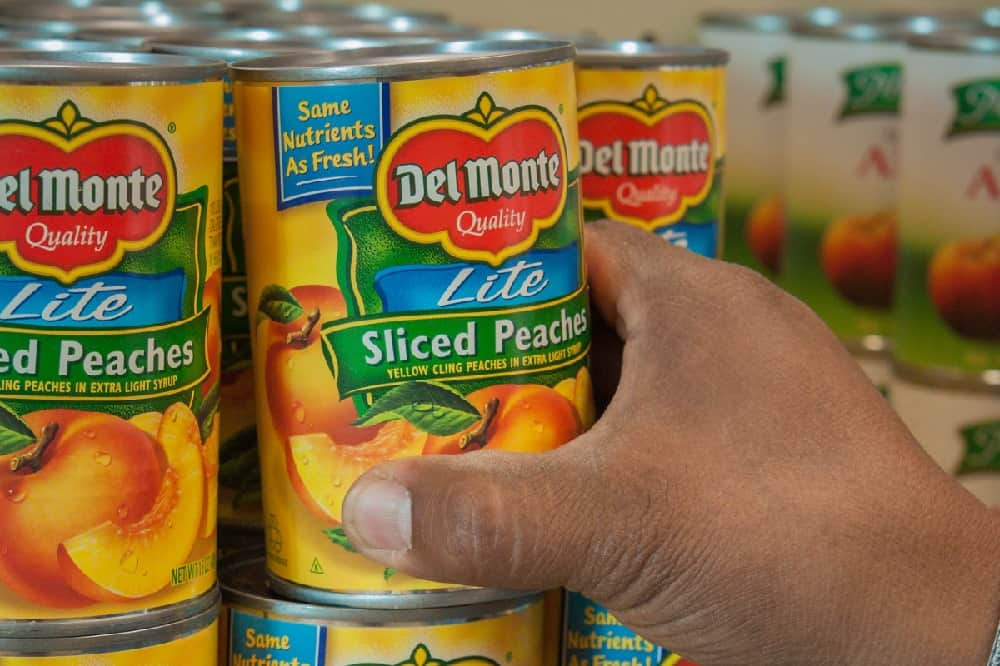
We regret to inform you that canned peaches have been added to our list. The Chinese ones are hazardous to your health! It has something to do with the contents of the treated fruits, as well as the cans in which they are packaged. The cans are full of lead, according to Australian regulators who performed a study. Each can contain double the quantity of it that was permitted. If you’re interested, there are several films available that demonstrate the dangers of lead poisoning. It can lead to renal damage and a loss of muscular coordination, among other problems. That is something that no one desires!
Canned Peaches
Canned Tuna
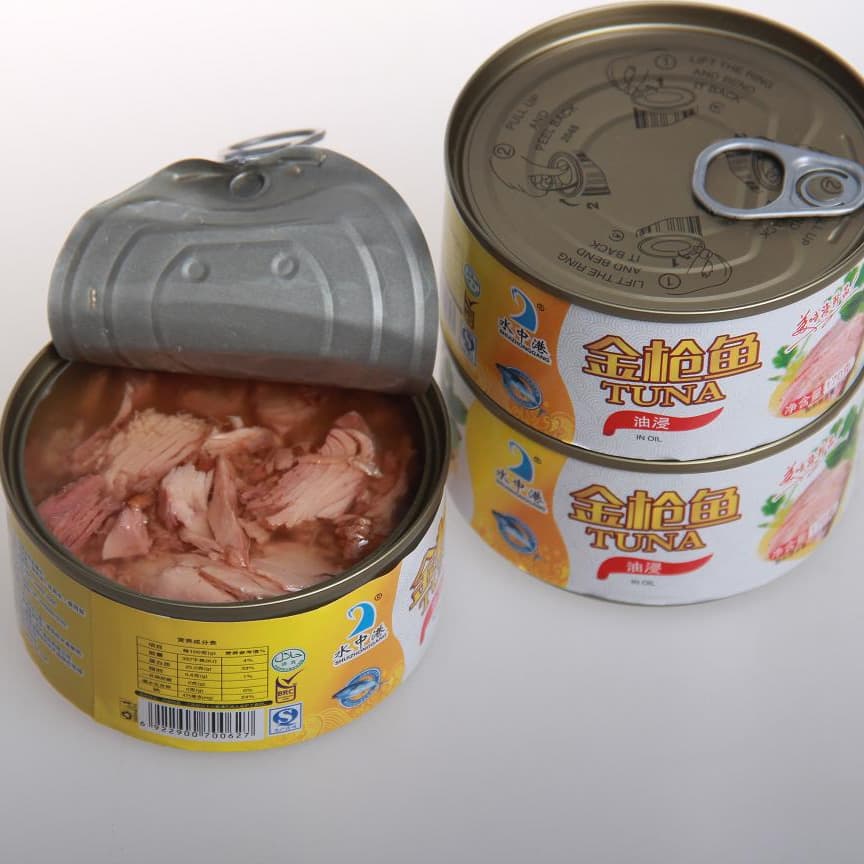
The same may be said with canned tuna. This canned fish, like canned peaches, is unhealthy for you because of the container it arrives in. However, there’s another reason you shouldn’t consume Chinese canned tuna. Aside from the risk of lead poisoning, it contains a variety of other hazardous chemicals prevalent in regional seafood. Their fish farms are contaminated with harmful chemicals and pollutants, and the creatures eat primarily animal excrement. It’s simply not something anyone wants to offer to their family! The more canned tuna you consume, the greater the risk to your health.
Canned Tuna
Cod
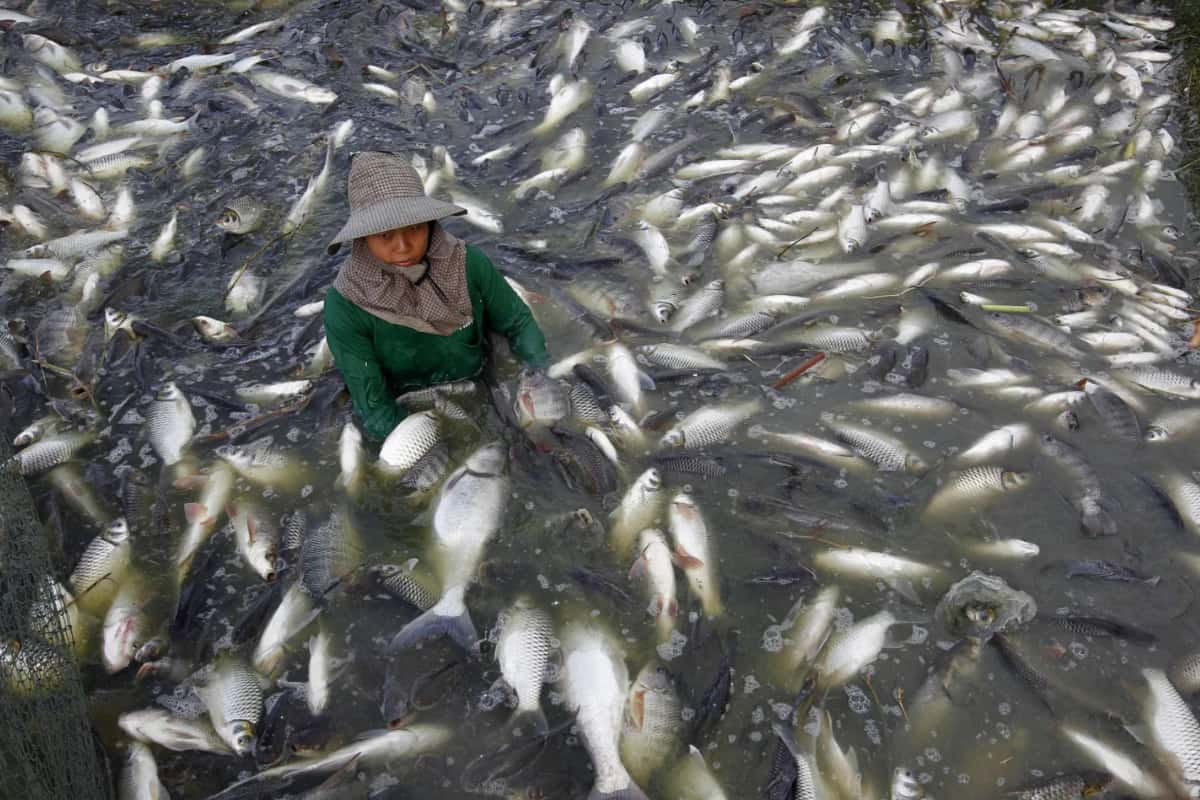
Regrettably, this is also the season for cod fishing. You should be aware that these fish were bred in China in deplorable circumstances. The creatures are kept in tiny enclosures with tens of thousands of fish. It’s bad enough that the places are congested and filthy, but there’s also rubbish and sewage everywhere. Cod was essentially reared in a poisonous environment. You’re letting all that toxins inside your body by consuming it on a daily basis! You should be grateful that we are here to warn you about how to prevent it.
Cod
Mushrooms
China’s contaminated mushrooms are easy to come by. This product has pesticide use concerns as well, but it is also mislabeled to get a higher price. Apparently, producers like to label ordinary mushrooms as “organic” in order to get a higher price. They’re already loaded with dangerous chemicals, but the makers add a preservative to keep them looking new. Food inspectors occasionally discover problems with mushrooms imported from China. Do you want our thoughts on the matter? They aren’t worth taking a chance on. If you really must have mushrooms, you can purchase them from a separate shop.
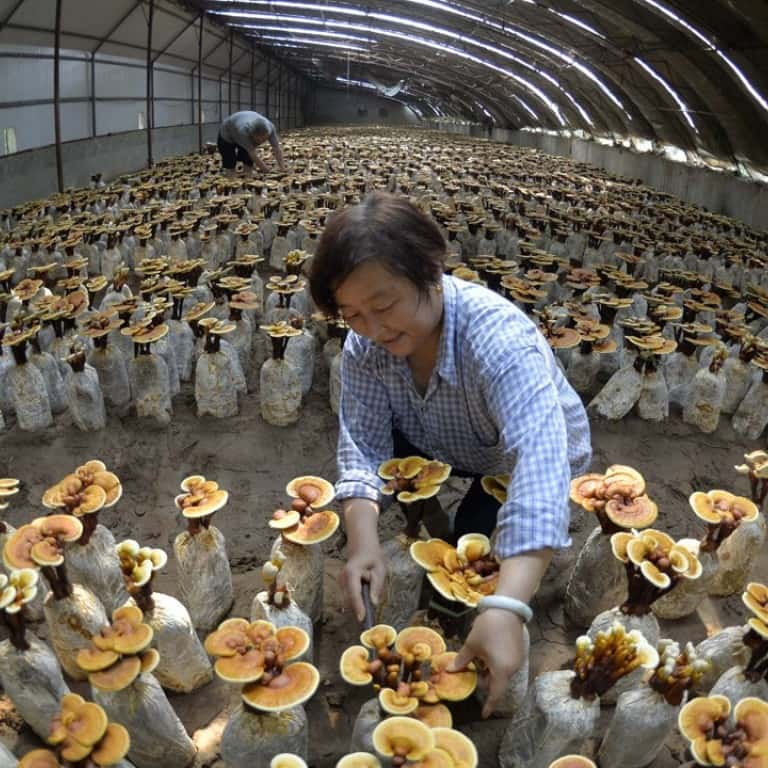
Mushrooms
Lamb
We’re sure you’ve heard the stories about how Chinese folks consume strange things. Maybe you’ve even heard that they’ll offer you something other than what you requested. This is thought to be true for lamb. You should go to a separate shop to get this meat! In 2013, authorities apprehended 900 Chinese residents who were attempting to sell rats as a lamb. The foreigners were found to be in possession of 20,000 pounds of rotten fake meat! Isn’t that revolting?
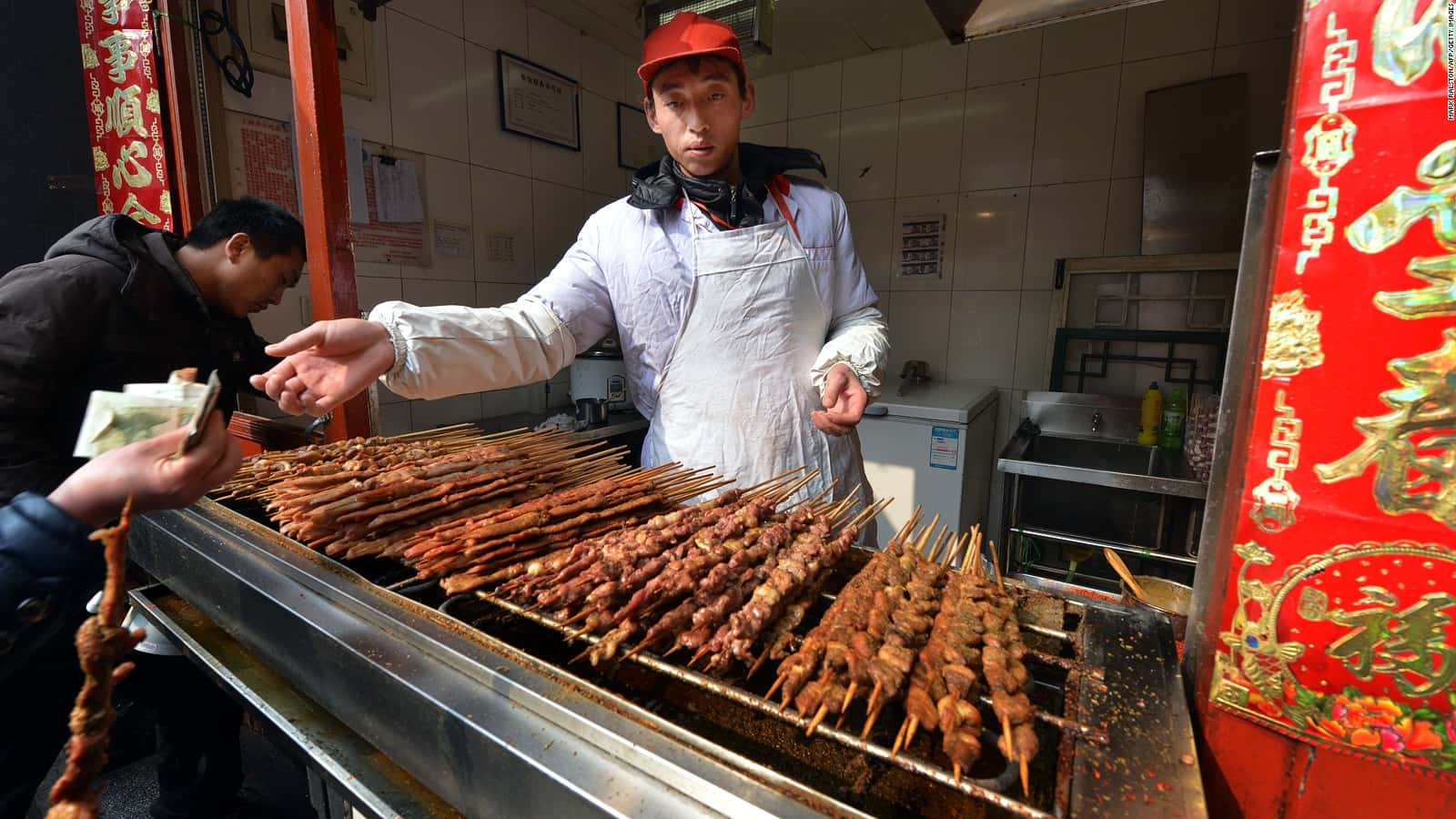
Lamb
Oil
We must point out that not all of the oil is contaminated. However, we continue to be concerned about the lack of food safety rules that allow select producers to produce contaminated products. Oil, in fact, sees a lot of this. A large Chinese food firm used to take leftover oil from restaurants, filter it, repackage it, and sell it as fresh. If you’re considering purchasing oil from China, keep in mind that you could be getting “cleaned” recycled oil rather than fresh new. To be honest, we’re not interested in knowing where the oil was before that!
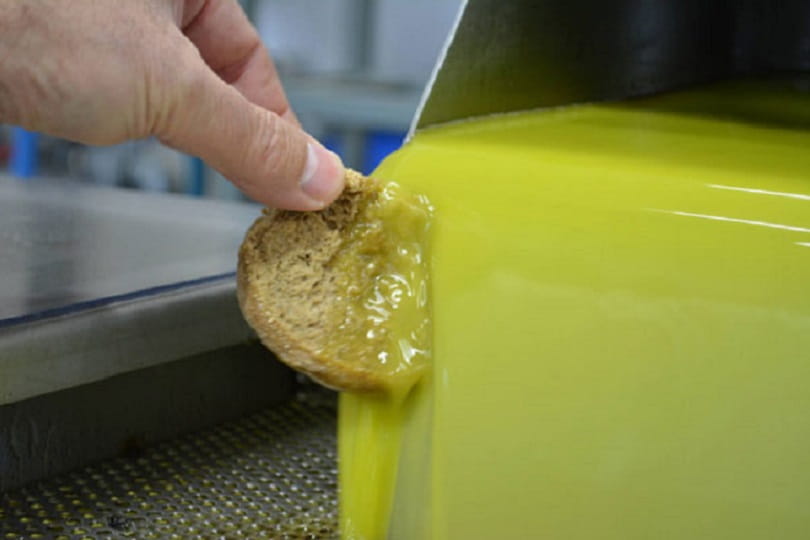
Oil
Tea
It’s no secret that the Chinese love tea and make a lot of it. You could believe that if you simply obtain tea from them, you are secure, but this is not the case. Avoid the strong need to buy inexpensive tea from China. It may, after all, contain over 30 hazardous substances! The good news is that most of these poisonous teas remain within the nation. However, if we had the option, we would avoid taking the danger.
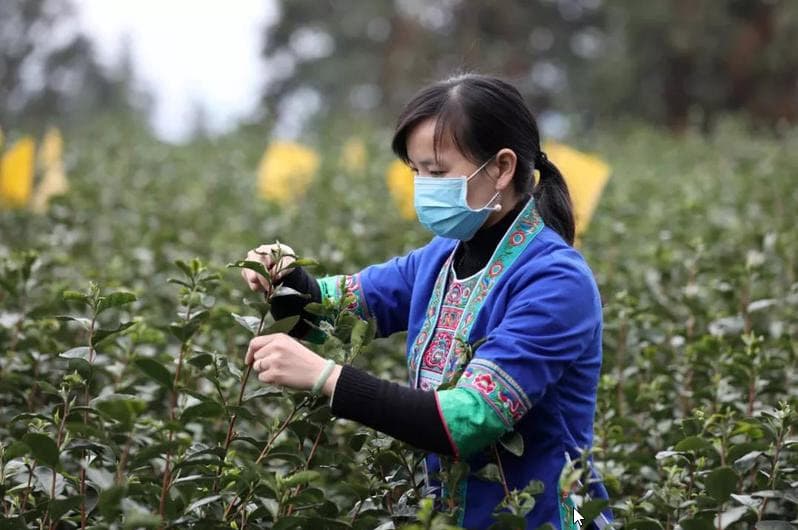
Tea
Wine
How well-versed are you in the world of wine? There are several areas in the globe where this product is more well-known than others. For starters, we’re all familiar with French and Chilean wines! Chinese wines, on the other hand, are a different story. For one reason, manufacturers prefer to lace it with color, artificial taste, and sugar.
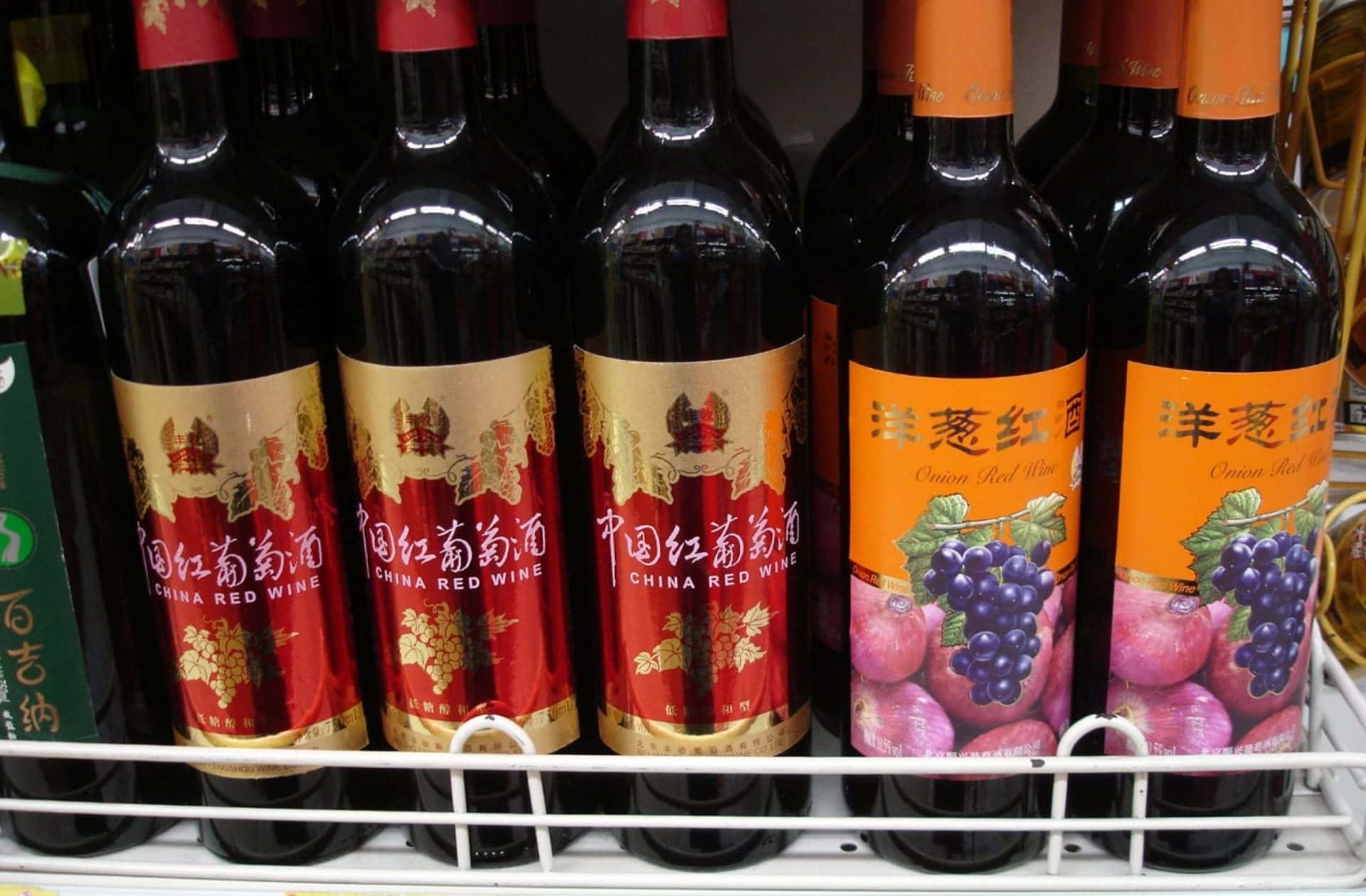
Wine
Pork
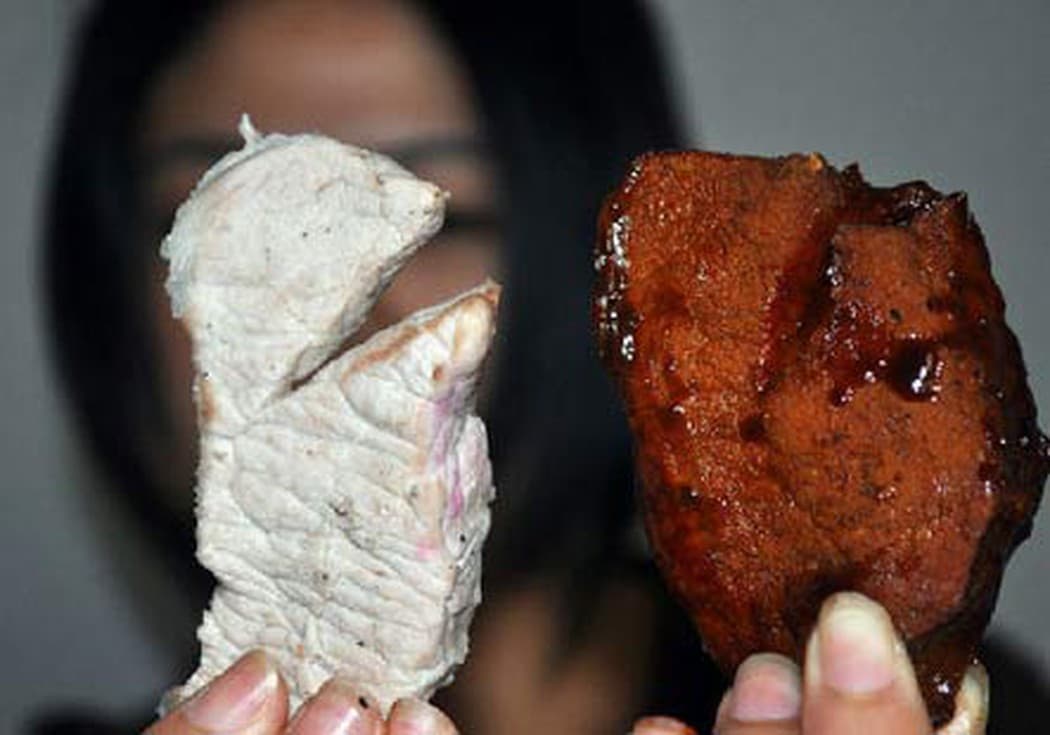
Pork is consumed more often in China than any other type of meat. Pork is roughly half the price of beef, and there’s a solid reason for it. Unfortunately, purchasing it is a poor decision. To address this problem, Chinese manufacturers use borax additives to make pork appear more like beef. You don’t want to put your loved ones at risk, do you?
Pork
Soy Sauce
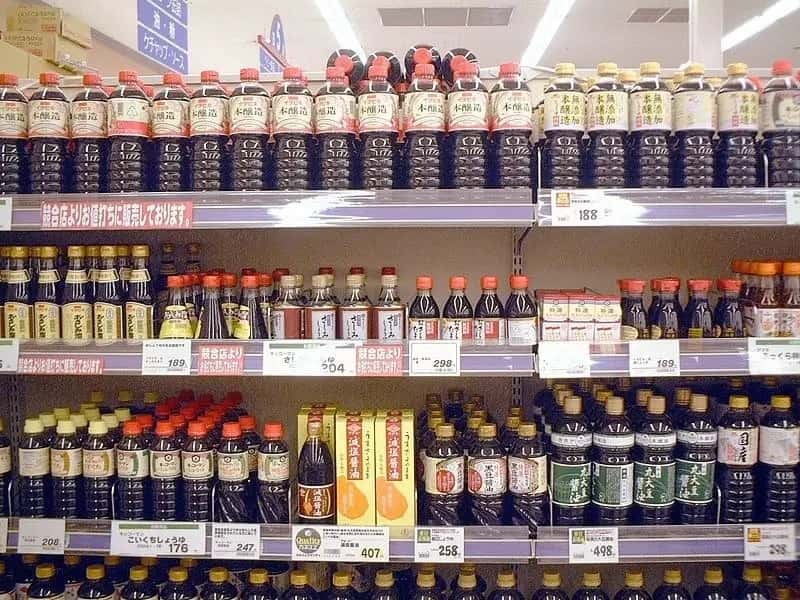
You probably use a lot of soy sauce, despite its high salt level. It’s the finest thing to put on white rice. When it comes to Asian cuisine, a little goes a long way. Unfortunately, some Chinese soy sauce contains the cancer-causing ingredient 4-Methylimidazole. More than a fifth of all soy sauce imported from Asian countries is affected by this issue. You’re probably better off purchasing a bottle from China if you want to make sure no one gets sick.
Soy Sauce
Eggs
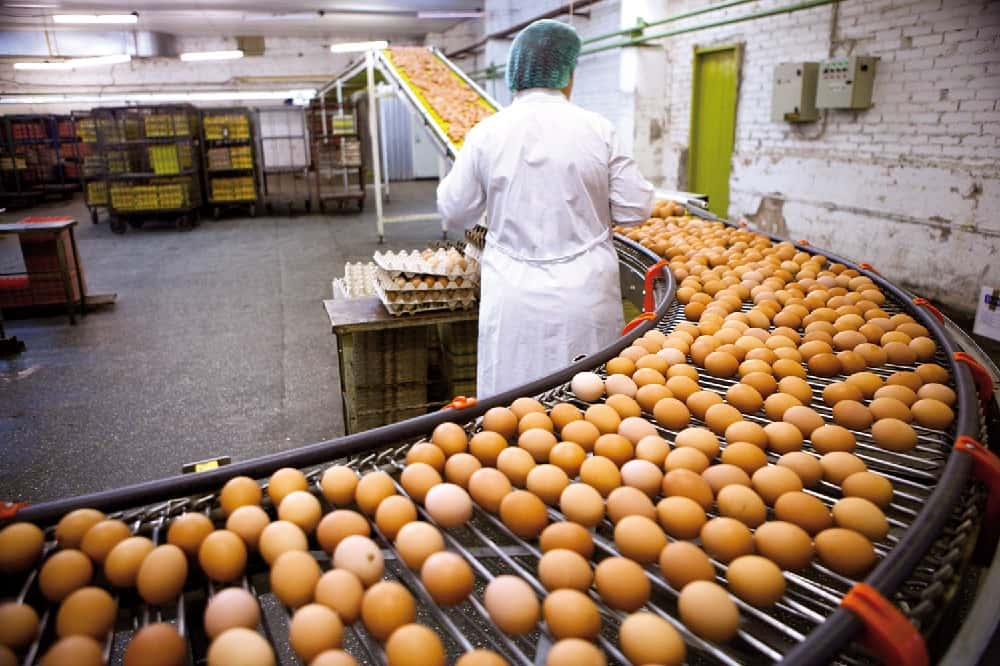
The reality is that we consume a great deal of Chinese food. Take, for example, eggs. If you look closely, you may notice that they are not grown on local farms. You might be shocked to learn that they hail from China, across the Pacific. The eggs are frequently treated with paraffin and calcium carbonate in their manufacturers. You might be poisoning yourself and your family without even realizing it!
Eggs
Green Peas
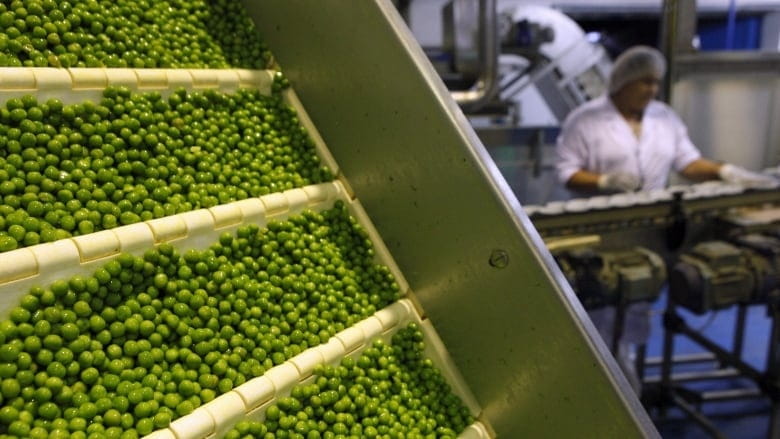
You thought you couldn’t go wrong with green peas when it came to vegetables! They are abundant in antioxidants and fiber, after all. Unfortunately, there’s no way to tell if you’re receiving green peas or not. Many of these items were created in a Chinese laboratory using a variety of materials. You may believe you’re eating green peas, but you’re actually eating a combination of snow peas, preservatives, soybeans, and food bleaches. We are terrified at the prospect of this! It would be terrible if you accidentally handed this to your children.
Green Peas
Bubble Tea
In many places of the world, bubble tea is highly popular. Drinks containing tapioca pearls imported from China, on the other hand, should be avoided. Polychlorinated biphenyls were discovered in the pearls by German researchers in 2012. These compounds are harmful in a variety of ways. They have been linked to cancer and have been shown to have an impact on the neurological, reproductive, immunological, and endocrine systems. The pearls were produced at a chemical plant from used tires and leather shoe soles, according to an inquiry by a bubble tea business owner.

Bubble Tea
Shrimps
Gels are reported to be used in China to enhance the weight of shrimp and therefore boost profitability. While some gels are completely safe, others are chemically produced and utilized in the printing and furniture industries. They are high in heavy metals, such as lead and mercury. Isn’t there anything you’d like to feed your own family? Between January and October 2015, the US Federal Statistical Office estimates that about $ 150 million worth of shrimp was imported from China. The Food and Drug Administration (FDA) issued a warning in 2015 for seafood, particularly shrimp, imported from China.

Shrimps
Mutton
In the so-called mutton,’ fox, rat, and mink remains were discovered. The whole thing is made out of gelatin, carmine, and nitrate, which is then combined with other spices and marketed as mutton. Over the course of three months a few years ago, over 1,000 people were detained for “meat crimes.” A total of 20 tons of rotten meat were seized. As a result, we can only advise you to avoid eating this type of meat.

Mutton
Tofu
The soy product is quite popular, particularly among vegetarians. In 2012, food safety inspectors in Hunan Province discovered that some producers sped up the fermentation process by using animal products, iron sulfate, and even human excrement. As a result, it has the potential to be hazardous to consumers. Polluted water discharge from industrial and waste disposal sites, air pollution, and foodborne illnesses such as avian flu are also hazards.

Tofu
Taro
According to the US Department of Agriculture, $ 2.3 million worth of dasheen, a kind of taro, was shipped to the US in 2014. Problems: After peeling, taro will turn somewhat yellow or black within an hour, however, certain taros in Wenzhou City, Zhejiang County, will remain white for a long period. Some shops put hazardous levels of sulfur dioxide to peeled taro and potatoes to lighten them and preserve them for lengthy periods of time, according to a report from Zhejiang Online, a local news site.

Taro
Corn
According to the US Department of Agriculture’s Economic Research Service, the United States imported 4.1 million pounds of frozen sweet corn from China in 2009. The issue is that some Chinese vegetable growers use sodium cyclamate, an artificial sweetener that the FDA has forbidden, in their maize. According to a prominent Chinese news channel in Jilin Province, no matter how long customers boil the corn with this food additive, the maize retains its beautiful yellow color and tastes exceptionally delicious. It can harm the liver if consumed in excessive numbers.

Corn
Apple
Chinese apple growers were already putting sacks of white chemical powder around the apple on the tree, exposing it to pesticides directly. To avoid contact with dangerous chemicals, employees in the manufacturing business use face masks and gloves. Only two out of every ten apples on the market are grown locally. Every year, China exports 3600 tons of apples.

Apple
Strawberries
In October 2012, norovirus-infected frozen strawberries from China were blamed for causing severe diarrhea and vomiting in over 10,000 persons, primarily children, and adolescents, in a number of German towns. China has a 97 percent market dominance in the German market for previously processed strawberries packed in kilo products. We had not anticipated anything like this. Did you do it?

Strawberries
Bananas
Some banana growers in China employ ammonia treatments to speed up the ripening process. After being treated with ammonia solution, the green bananas are covered in plastic wrap. The bananas are ripe and yellow three days later. However, this reduces the shelf life of the fruits, causing them to rot from the inside out. As a result, eating bananas imported from China is strongly discouraged.

Bananas
Peaches
The Institute for Consumer Protection in Australia discovered in 2014 that Chinese canned peaches contained double the level of lead allowed in food manufacture. Lead poisoning can harm the brain, digestive system, and reproductive system. Such infected fruits should be avoided by pregnant women and children. Peaches imported from China should be avoided at all costs if you want to be safe.

Peaches
Black Pepper
Perhaps you’ve heard of the well-known Chinese black pepper. If anybody ever offers you to try it, you should decline. As long as no one dies, Chinese regulations are quite forgiving. As a result, many people sell mud under the name black pepper. Isn’t this absurd? Although it is unlikely that anybody would die as a result of it, it can nevertheless induce allergies and other serious diseases. So, on your next trip to China, be cautious.

Black Pepper
Plastic Rice
Two days after a client reportedly discovered fake rice and another Meerpet customer complained about the same issues, police were called. The rice was subsequently confiscated and samples were taken from a store in Meerpet. Meanwhile, reports on social media spread that plastic rice was being distributed wholesale to numerous retailers in Andhra Pradesh, causing panic. Meanwhile, a committee has been formed to examine the innovative rice forgery process.

Plastic Rice
Water
Water is a major issue in China, according to the majority of culinary specialists. Water is already in short supply for China’s 1.4 billion people. Environmentalists are now warning about China’s water contamination. According to current estimates, 60 to 80 percent of the groundwater in the United States is unfit for human consumption. Heavy metals, herbicides, and industrial waste are found not just in soil but also in rivers. Lakes and rivers are heavily contaminated, which is the source of this problem.

Water
Organic food
While organic food must fulfill specific criteria in the United States and the European Union, the rules in China appear to be different. Organic food production is virtually unregulated by the government. When it comes to deceptive labeling in order to avoid international customs checks, farmers and inspectors frequently collaborate. This means that “organic” Chinese cuisine isn’t actually organic. This is why knowing where your food originates is so essential!

Organic food
Chicken
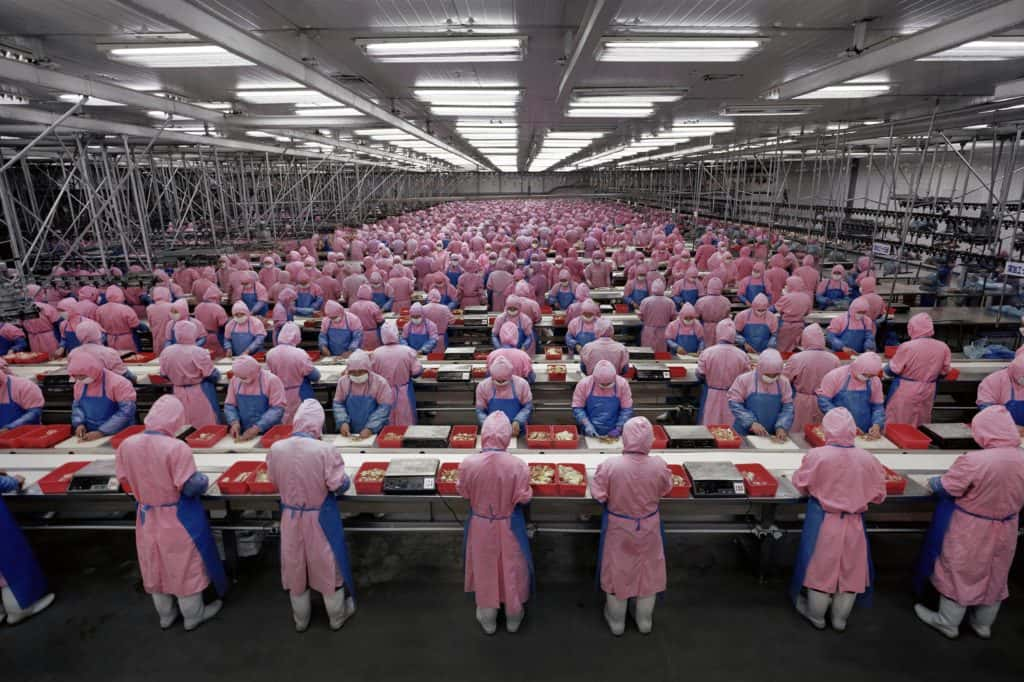
Before you go out and get some Chinese chicken, think carefully. What is the reason behind this? In the East, bird flu and other diseases are very frequent. Chickens in China are generally not subjected to the same training and requirements as chickens in the United States. You should avoid it since you don’t know if it’s safe or not.
Chicken
China Has A Good Side Of Foods As Well
Despite the fact that China is known for unusual cuisine and dishes that might make you sick if you aren’t used to them, there are certain popular foods in China that make everyone drool every time. This type of food is commonly served in Chinese restaurants across the world, and in our opinion, it is all delicious and well worth the money. Let’s put the disadvantages aside for the time being and look at what China has to offer in terms of cuisine.

China Has A Good Side Of Foods As Well
Chinese Fried Rice
In China, rice dishes are common, but nothing is more popular than steamed rice. Steamed rice is always served with the main course. A dinner, on the other hand, can be completed entirely with fried rice. It is popular in China since it can serve the entire family. It’s one of the most popular restaurant starters. Though the ingredients change according to availability and preference, protein sources such as pork or chicken and vegetables are always present. Yangzhou Fried Rice, a popular dish across China, is made in Yangzhou, which is located in Jiangsu’s eastern region.

Chinese Fried Rice
Hotpot
Hotpot, which is generally consumed while socializing, is well-known in China for two reasons: it caters to a wide range of tastes and may be shared among friends. While you wait for your food to complete cooking, you may relax and socialize with the people who have gathered around you. Sichuanese enjoys their meals served spicy! You may start with whatever soup stock you like and then add practically anything after that. The standard dish includes sliced meats, seafood, tofu, and a variety of vegetables. When sampling Sichuan’s famous hotpot, keep an eye out for the chile, as it’s where the dish got its start.

Hotpot
Chow Mein
Noodles, in addition to rice, are an important part of Chinese cuisine. The name chow mein comes from the Mandarin pronunciation Chao main, which meaning “fried noodles” in Chinese cuisine. When noodles are cooked and dripping with oil, they are at their finest. Fortunately for us, this appears to be a common occurrence across China, particularly in the northern regions, where oil is sprayed everywhere like it’s no big deal. Doesn’t it sound delicious? It is, after all!

Chow Mein
Lanzhou Hand-Pulled Beef Noodles
While we’re on the subject of noodles, hand-pulled Lanzhou noodles are a popular dish in China. These traditions originated in Lanzhou, a city in western China, and have since expanded across the country, notably among Muslim populations. Fresh noodles are served with soft, thin chunks of meat and veggies in a boiling hot soup. This meal is simple to prepare, fragrant, and delectable! Visitors outside China who wish to eat Lanzhou noodles should seek Muslim restaurants or a Muslim neighborhood in one of the country’s largest cities. Even if you don’t know a word of Mandarin, ordering these noodles is straightforward since restaurants that serve them typically display huge photographs of the meals on the menu or even on the wall.

Lanzhou Hand Pulled Beef Noodles
Peking Duck
This one is a little too touristy. But no list of the finest Chinese cuisine would be complete without this crowd-pleaser! Beijing, once known as Peking, is where Peking duck began. It is a classic Chinese dish. The duck is roasted for approximately an hour and a half until the skin is golden and crispy and the flesh is moist and somewhat sweet. While in Beijing, be sure to visit one of the world-famous Peking duck restaurants. The duck is wrapped gently in delicate pancake wraps (akin to crêpes) and served with sliced cucumber on the side. Make your bookings early because the better ones tend to fill up quickly.

Peking Duck
Char Siu
Fork-roasted is referred to as char siu in Chinese. In popular use, however, it refers to roasted meat, most frequently pig. The pork is marinated in a sweet and salty marinade before being cut into thin strips. This dish is more prevalent in southern China than in other regions of the nation, where sweeter foods are more common. One of those Chinese meals that make you want to drool just looking at it is char siu. Despite the fact that Chinese food may be prepared at home, I feel that the greatest Chow mien can only be obtained in China!

Char Siu
Braised Pork Belly
This is a Chinese dish that has been passed down through generations. The pork belly is cut into cubes and cooked for a long period to get a delicate and flexible texture. Ingredients like ginger, garlic, sugar, and spices are used to enhance flavor and color. This popular meal is often served with a few basic vegetables and steamed rice. Hunan province has created its own version of this popular dish. The meal is known as ‘Mao’s family-style red braised pork,’ after Mao Zedong, the communist leader who inspired it. According to Chinese tradition, Mao Zedong’s favorite dish was the Hunan version of this dinner. Braised pig belly is a little too fatty for my liking, yet millions of people disagree!

Braised Pork Belly
Fried Cabbage And Vinegar
This healthful and nutrient-dense meal may be cooked at home or served in restaurants. The cabbage leaves are simply cooked in a skillet with vinegar or chile, creating a tasty side dish to go with nearly any meal. Many restaurants and households would use potato instead of cabbage in their meals. If you’re attempting to avoid meat or control your calorie intake, this dish, known as ‘tudou si,’ is another great choice. If you want to create it at home, the process will only take you around 20 minutes.

Fried Cabbage And Vinegar